Grades:
6th Grade, 7th Grade, 8th Grade
In this lesson, students learn about sediment classifications and develop a model for how sediments are sorted during deposition. Armed with this knowledge, students then gather dirt with favorable
Grades:
6th Grade, 7th Grade, 8th Grade
In this two-week middle school STEM project, students work independently (with optional peer collaboration) to design and build a larger-than-life wooden grasshopper and a creative, functional habitat
Grades:
7th Grade, 8th Grade, 9th Grade, 10th Grade, 11th Grade, 12th Grade
Students will make a concrete mixture from sand and white glue. This entails a civil engineering lesson on strengthening soils in order to prevent structures from collapsing. Students will create a
Grades:
6th Grade, 7th Grade, 8th Grade
In this lesson, students will engage in a hands-on STEM project where they design and construct a model city made from Legos that is powered by renewable solar energy. Using the engineering design
Grades:
6th Grade, 7th Grade, 8th Grade
This is a 4-day unit on what forensic scientists do. Students will first conduct research on what a forensic scientist does and participate in extracting DNA. Then students will participate in a
Grades:
6th Grade, 7th Grade, 8th Grade
Students will learn the flavors and ratios that make up a popular soda! This engaging activity will have your students practicing math skills in a hands-on way!
Grades:
6th Grade, 7th Grade, 8th Grade
In this lesson, students will learn about biomimicry—the design and production of materials, structures, and systems modeled on biological entities and processes. Students will explore examples of
Grades:
6th Grade, 7th Grade, 8th Grade, 9th Grade, 10th Grade
Students will use knowledge of surface area, volume and scale factors to miniaturize packaging from various grocery products.
Grades:
6th Grade, 7th Grade, 8th Grade
Explore genetic diversity and conservation with a hands-on activity simulating the bottleneck effect using black-footed ferrets as a case study. This lesson is Ideal for grades 6 and up.
Grades:
7th Grade
Students will engineer a working Mars Rover to transport supplies through rough terrain.
Grades:
7th Grade
In this lab, we will investigate the motion of a toy car down a ramp by defining and measuring its speed and acceleration.
Grades:
6th Grade, 7th Grade, 8th Grade
Integrating model rocketry into the 7th-grade curriculum and Arizona Science Standard 7.P2U1.4, we aim to bring Newton’s Laws of Motion to life for students. Students design and build a rocket using a
Grades:
7th Grade, 8th Grade
Students will inquire how oil and vinegar act when mixed. They will discover that without an emulsifier, the two liquids separate. When you add mustard or egg yolk, the liquids stay mixed longer —
Grades:
6th Grade, 7th Grade, 8th Grade
Developing STEM skills will advance workforce development and fostering critical thinking. This free, online lab manual features scientific computing activities designed for middle school
Featured
Makey Makey Storyboards
Grades:
Kindergarten, 1st Grade, 2nd Grade, 3rd Grade, 4th Grade, 5th Grade, 6th Grade, 7th Grade, 8th Grade, 9th Grade, 10th Grade, 11th Grade, 12th Grade
This lesson takes students through the process of creating an interactive storyboard using a Makey Makey circuit board. This lesson can be adjusted for any grade level with examples given in the 4th
Grades:
6th Grade, 7th Grade, 8th Grade, 9th Grade, 10th Grade, 11th Grade, 12th Grade
Be a part of the humanitarian effort and teach students how to create a fully functioning 3D printed prosthetic arm for a client in need. This lesson walks you through the process in a slideshow
Grades:
6th Grade, 7th Grade, 8th Grade, 9th Grade, 10th Grade
This lesson aims to introduce students to the fundamental concepts of geometry through the lens of architecture. Students will explore the properties of geometric shapes, study famous architectural
Grades:
4th Grade, 5th Grade, 6th Grade, 7th Grade, 8th Grade, 9th Grade, 10th Grade, 11th Grade, 12th Grade
The Micro:bit prototyping academy is designed to teach students the basic commands and features in order to innovate their own device. They will learn the input commands, variables and conditional
Grades:
4th Grade, 5th Grade, 6th Grade, 7th Grade, 8th Grade, 9th Grade, 10th Grade, 11th Grade, 12th Grade
Learn how to train your own Artificial Intelligence neural network without the complexities of coding. Google's (free) Teachable Machine is a web-based tool that makes it easy to train your computer
Grades:
7th Grade, 8th Grade
This lesson has students examining isochron maps of the Earth's seafloor and looking for patterns to support evidence of continental drift. A prerequisite include a previous lesson of continental
Grades:
6th Grade, 7th Grade, 8th Grade
In this lesson, students learn to record, display, and convert temperature data from Celsius to Fahrenheit using the BBC micro:bit onboard temperature sensor.
Grades:
7th Grade
The purpose of this project is to provide students with a hands-on learning experience that combines the study of human body systems with engineering principles. By investigating the interaction
Grades:
6th Grade, 7th Grade, 8th Grade
Students will be measuring the heights of two groups to compare the averages, minimums, maximums, and standard deviations of normal distributions by using the functions on Google Sheets.
Grades:
7th Grade, 8th Grade
Part 2 (this lesson) is students learning how the body sends electrical signals through the muscles (if not covered Part 1’s research) by coding a Micro:bit to read the electrical currents
Featured Lesson Plans
Check out these notable lesson plans.
Featured
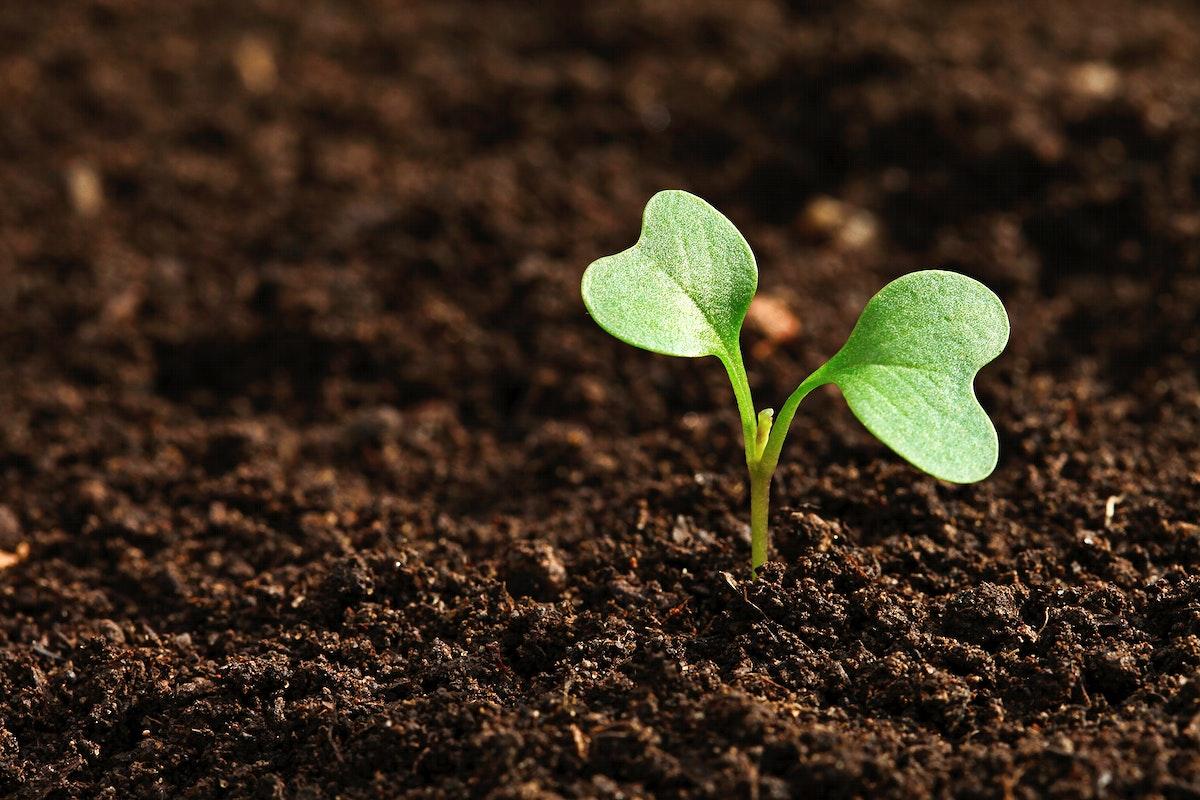
Best Class Plant
Grades:
1st Grade, 2nd Grade, 3rd Grade
This lesson is centered around the book, The World's Best Class Plant. It is intended for 1st-3rd grade. Ideally, teachers would use this lesson at the beginning of the year so they can have their
Featured
Magic Magnets: Flying Butterfly
Grades:
3rd Grade
Students will have the opportunity to explore the magnetic field in small groups or independently. Students will explore the forces by demonstrating how a paper clip can float in the air using a
Featured
STEM Tank! Part 2
Grades:
3rd Grade
Students will go through the engineering design process to come up with a product that will solve a real life problem. By the end of the unit, students will design their product, make their product