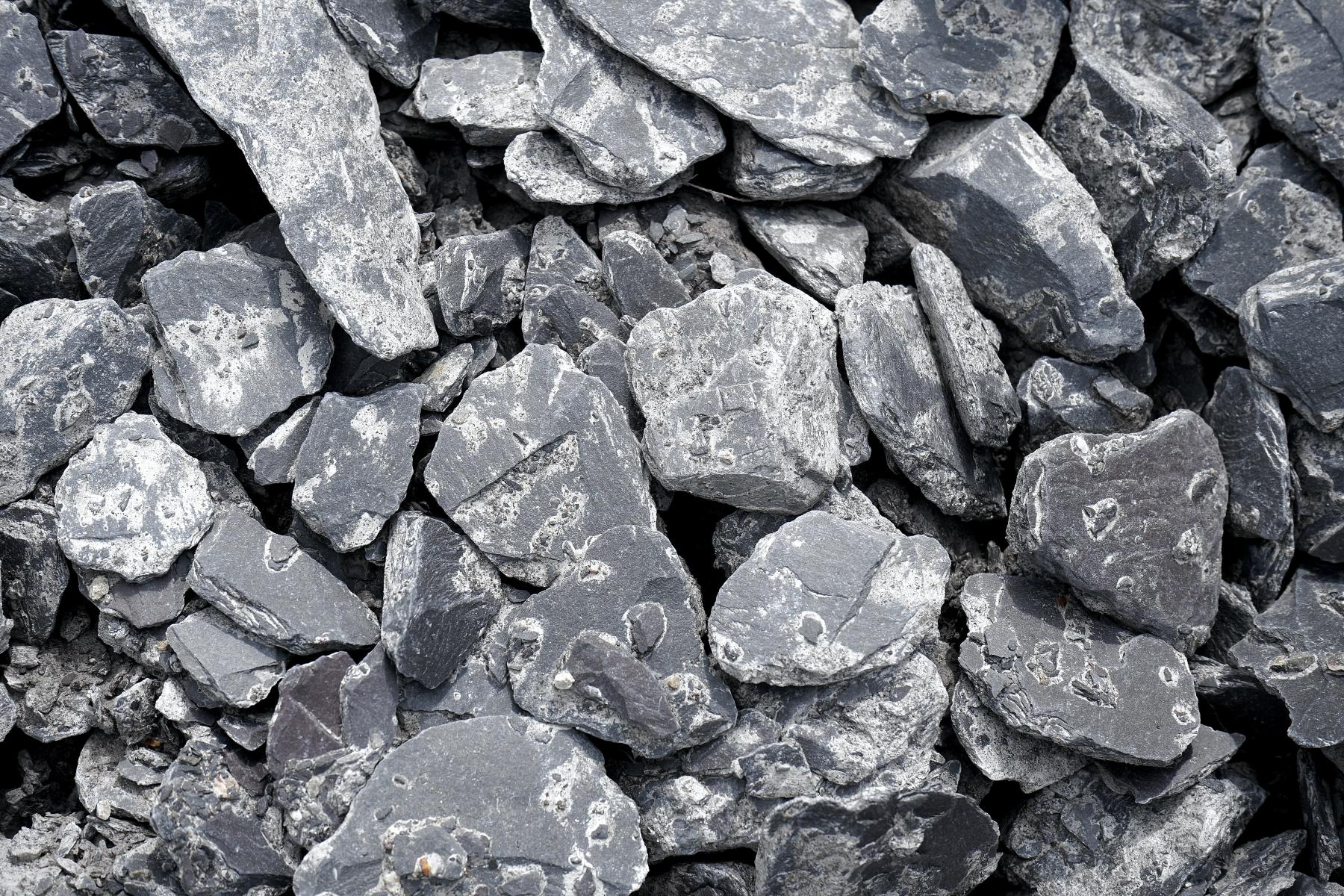
Sediments, Erosion, and the Art of Hikaru Dorodango
by Adam Hardy
In this lesson, students learn about sediment classifications and develop a model for how sediments are sorted during deposition. Armed with this knowledge, students then gather dirt with favorable qualities to use in the Japanese art of Hikaru Dorodango (shiny mud ball)
Lesson Plan Link/URL
https://docs.google.com/presentation/d/1NUfrHI4KPJegsjIMsU8ZuIdbWE4SqUaw/edit?u…Subject Area
Science Physical Science P1: Matter Earth and Space Science E1: Earth Systems Technology 3. Knowledge Constructor Mathematics Ratio and Proportion (RP)
Featured
Off
Related Content
Grades:
Kindergarten, 1st Grade, 2nd Grade, 3rd Grade, 4th Grade, 5th Grade, 6th Grade, 7th Grade, 8th Grade
Most students are likely familiar with popular films like Happy Feet, Surf’s Up, Penguins of Madagascar, and classic books like Mr. Popper's Penguins. Capitalizing on this familiarity with penguins
Grades:
4th Grade, 5th Grade, 6th Grade, 7th Grade, 8th Grade
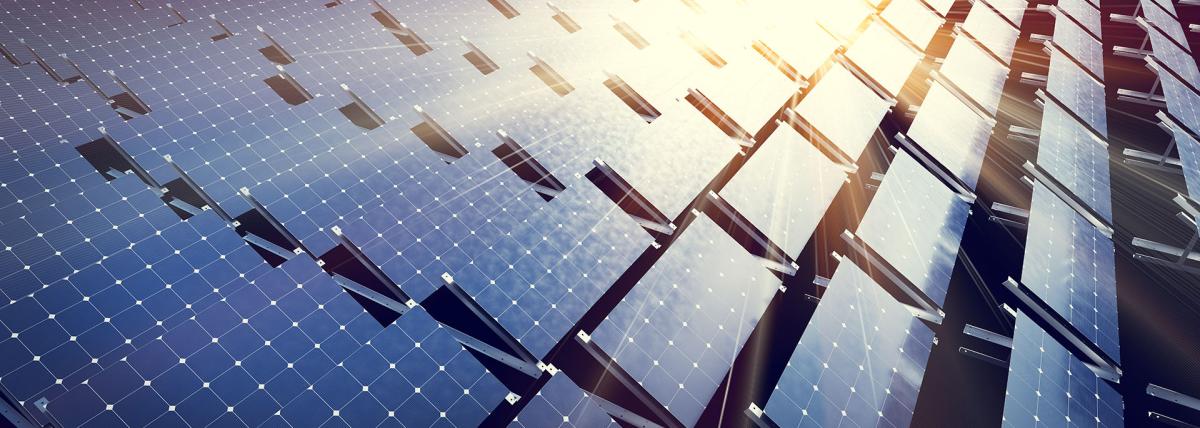
Lesson "Phoenix Reimagined: From Sun City to Solar City" ensures that students engage in age-appropriate, hands-on learning experiences that promote understanding of solar energy and its applications

Grades:
3rd Grade, 4th Grade, 5th Grade, 6th Grade, 7th Grade, 8th Grade, 9th Grade
Engineers often create small-size models of a new product to test its design. This is especially true with airplanes. Model testing tells engineers how a design responds to different air conditions