
Grades:
6th Grade
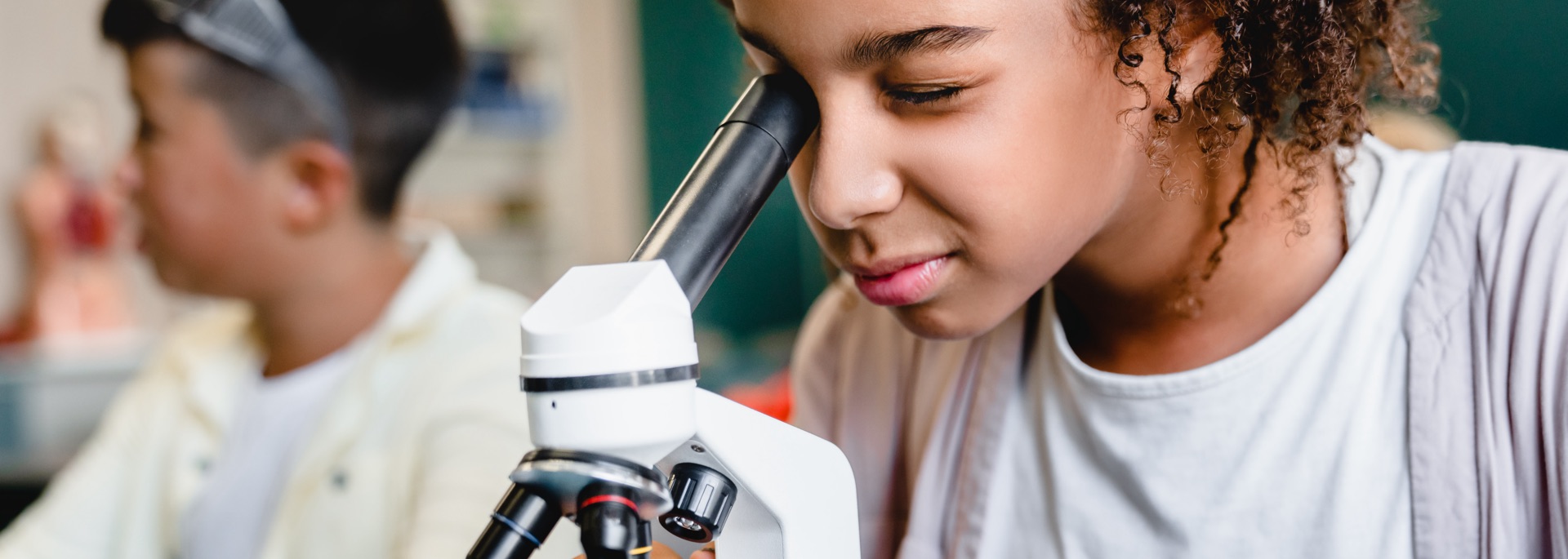
This lesson uses taste-testing as a way to introduce and practice science and math practices, including observing, recording, predicting, writing a claim with evidence and reasoning. I have used it
Grades:
6th Grade, 7th Grade, 8th Grade
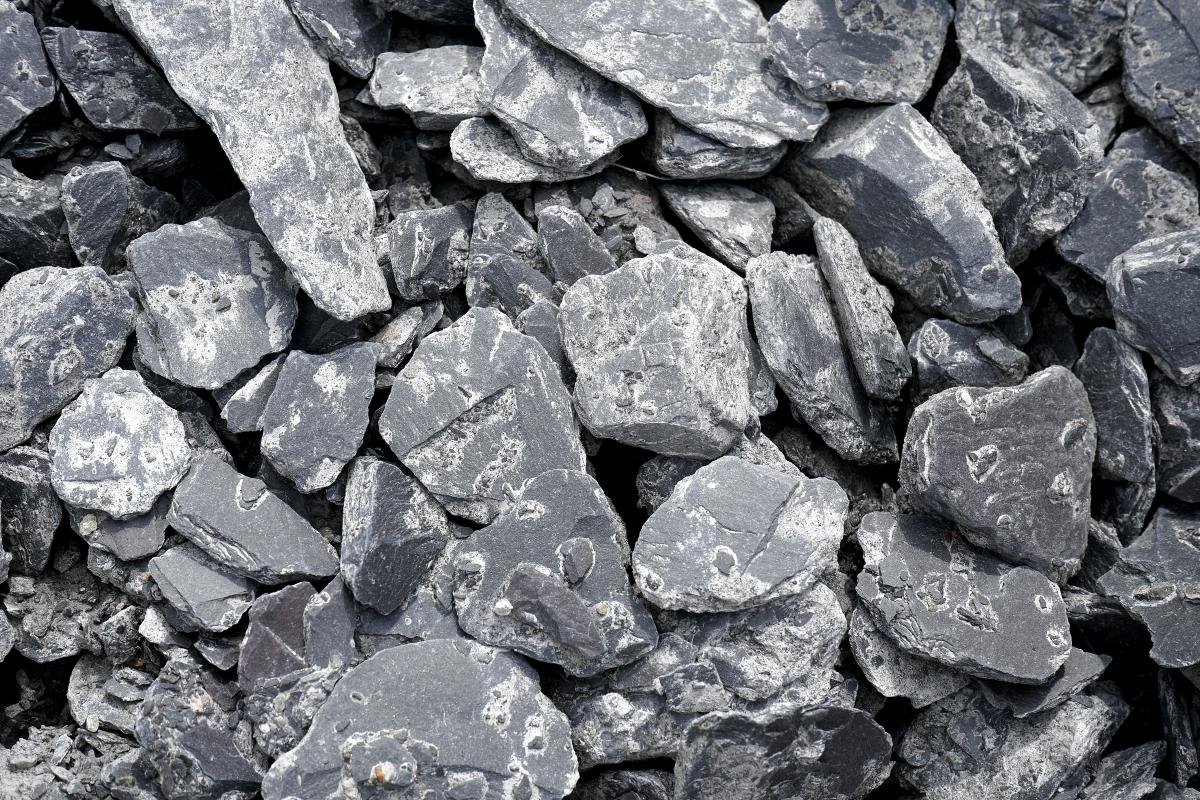
In this lesson, students learn about sediment classifications and develop a model for how sediments are sorted during deposition. Armed with this knowledge, students then gather dirt with favorable
Grades:
8th Grade, 9th Grade, 10th Grade, 11th Grade, 12th Grade
Exploring Technology with 3D Pens introduces students to hands-on innovation by combining creativity and technology. Students learn how 3D pens work, practice designing and designing cultural images
Grades:
7th Grade, 8th Grade, 9th Grade, 10th Grade, 11th Grade, 12th Grade
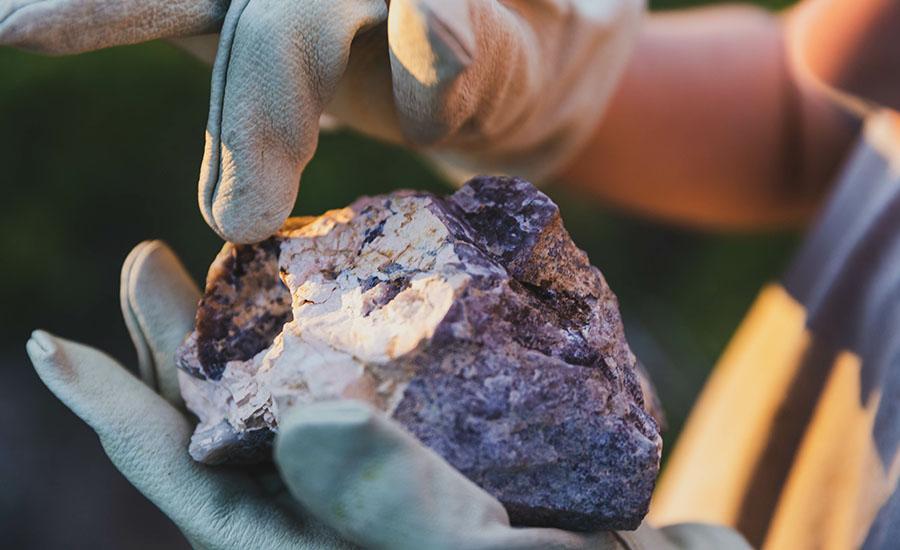
Students will make a concrete mixture from sand and white glue. This entails a civil engineering lesson on strengthening soils in order to prevent structures from collapsing. Students will create a
Grades:
6th Grade, 7th Grade, 8th Grade
Students will learn the flavors and ratios that make up a popular soda! This engaging activity will have your students practicing math skills in a hands-on way!
Grades:
6th Grade, 7th Grade, 8th Grade, 9th Grade, 10th Grade
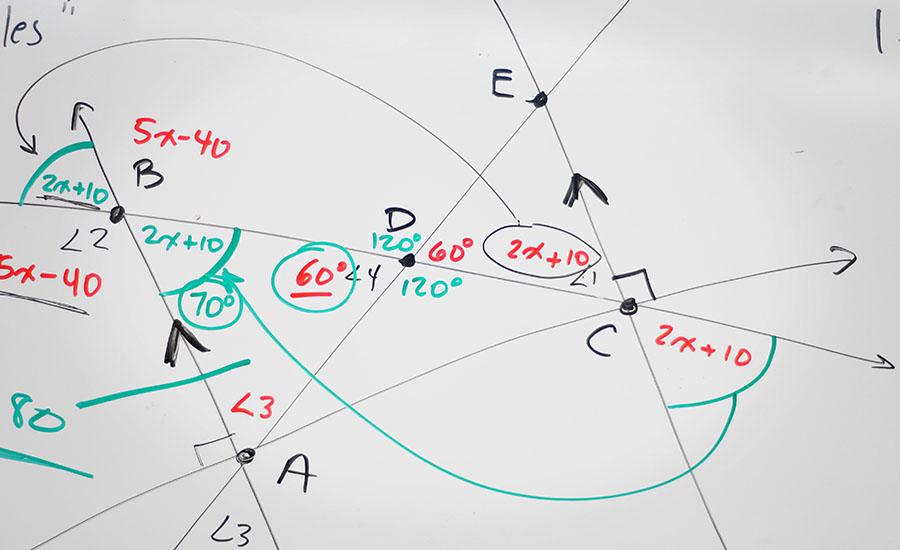
Students will use knowledge of surface area, volume and scale factors to miniaturize packaging from various grocery products.
Grades:
6th Grade
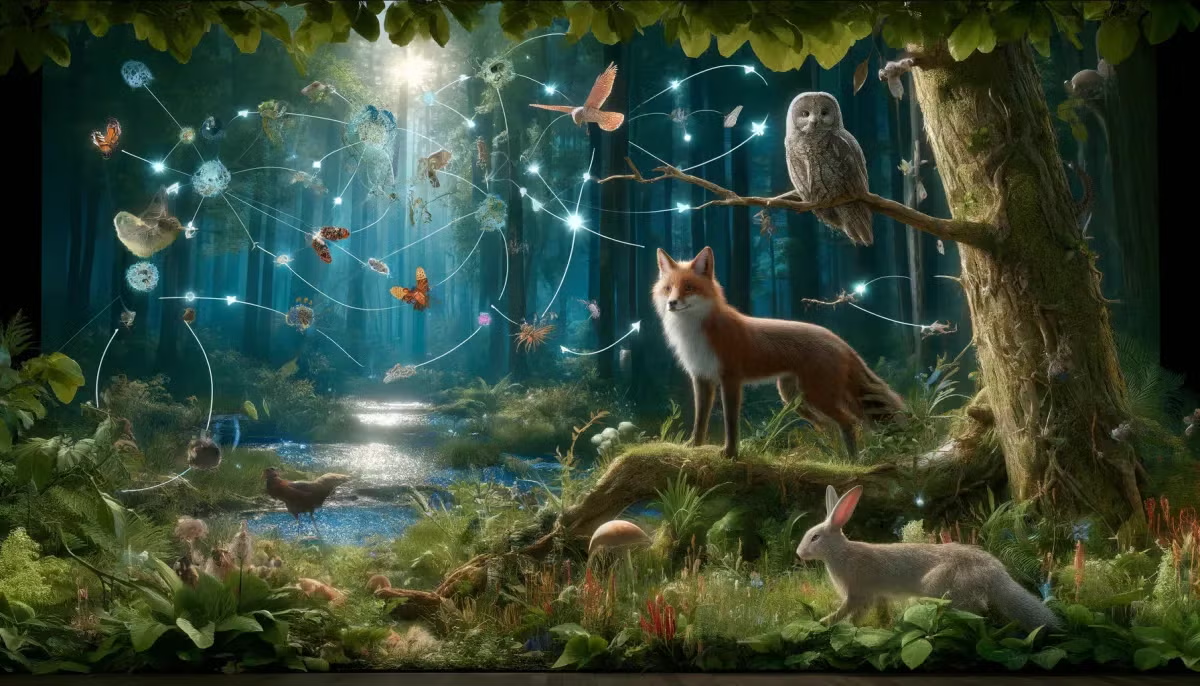
During the implementation of this lesson, students will have a great understanding of how we (humans) impact the world around us. Students will be able to understand how changes in an ecosystem's
Grades:
4th Grade
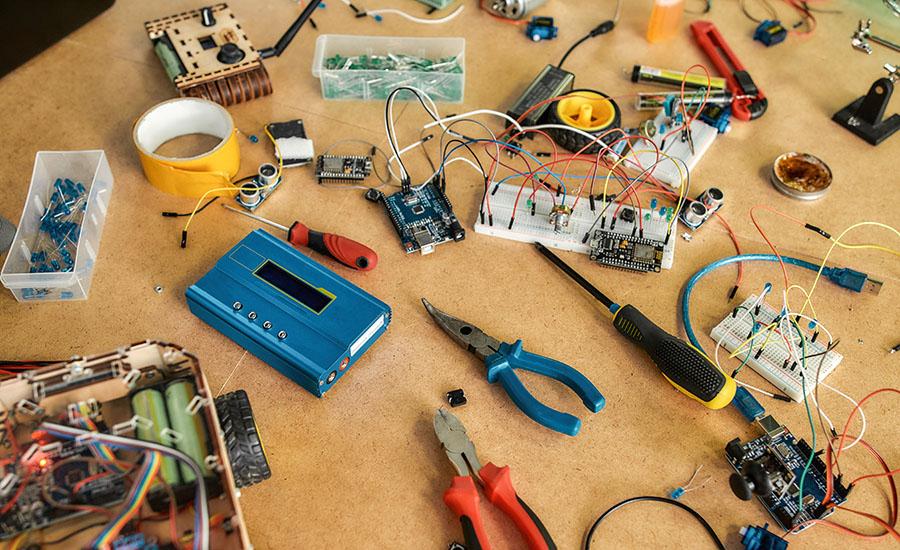
In this integrated STEM and literacy lesson, 4th grade students will explore survival challenges faced by the main character in Hatchet by Gary Paulsen. After analyzing the story and discussing Brian

Grades:
6th Grade, 7th Grade, 8th Grade
Integrating model rocketry into the 7th-grade curriculum and Arizona Science Standard 7.P2U1.4, we aim to bring Newton’s Laws of Motion to life for students. Students design and build a rocket using a
Grades:
5th Grade
During the Build a Sustainable City STEM project, 5th grade students will design and construct a model city that balances human needs with environmental responsibility. Students work in teams to
Grades:
7th Grade, 8th Grade
Students will inquire how oil and vinegar act when mixed. They will discover that without an emulsifier, the two liquids separate. When you add mustard or egg yolk, the liquids stay mixed longer —

Grades:
6th Grade, 7th Grade, 8th Grade
Developing STEM skills will advance workforce development and fostering critical thinking. This free, online lab manual features scientific computing activities designed for middle school
Grades:
6th Grade, 7th Grade, 8th Grade, 9th Grade, 10th Grade, 11th Grade, 12th Grade
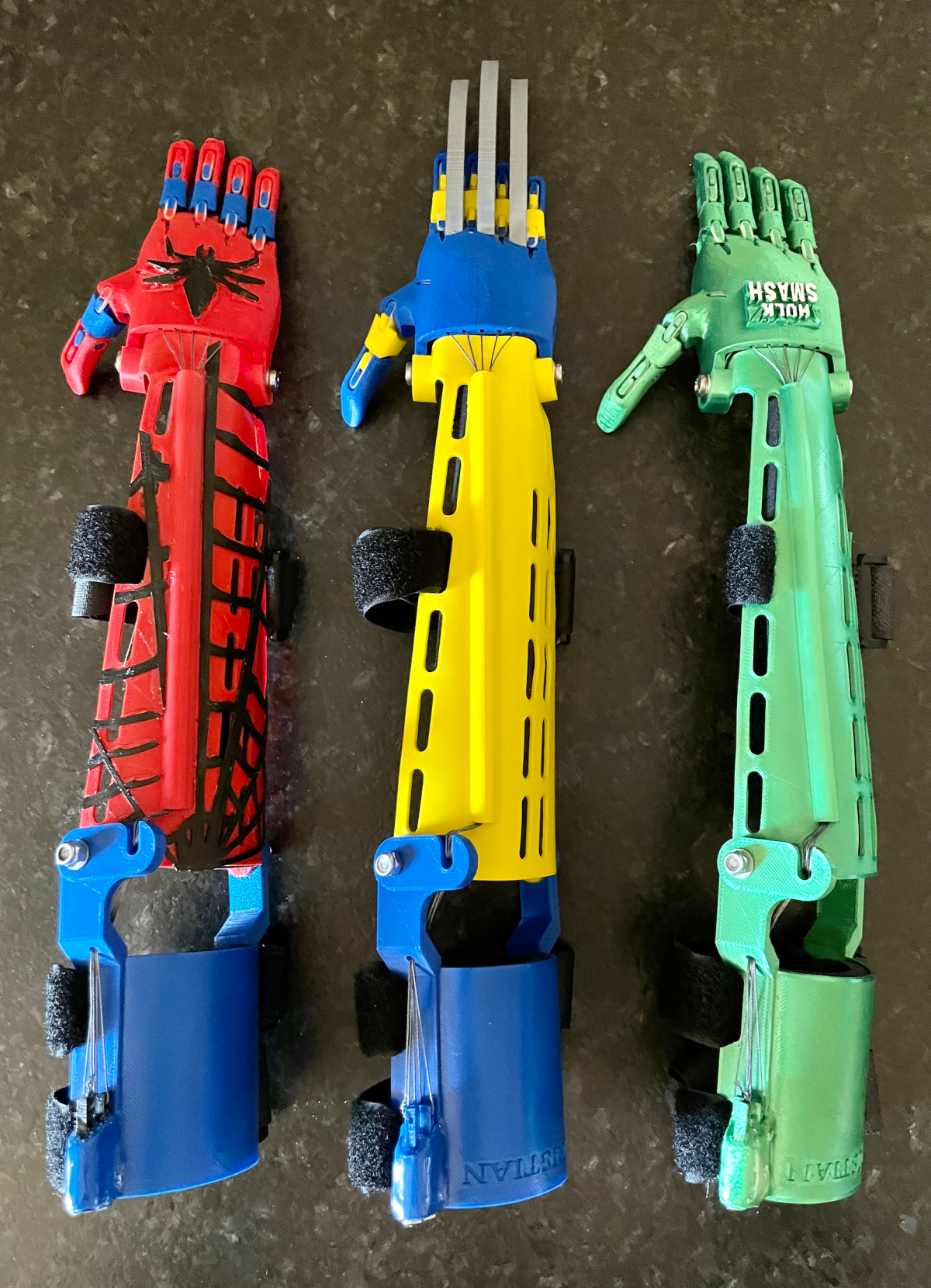
Be a part of the humanitarian effort and teach students how to create a fully functioning 3D printed prosthetic arm for a client in need. This lesson walks you through the process in a slideshow
Grades:
3rd Grade, 4th Grade
Encouraging students, from a young age, to think about their interests, dreams and goals lets them see possibilities for the future. As students listen to their thoughts and put those thoughts into
Grades:
3rd Grade, 4th Grade, 5th Grade
In the second lesson in the Thirst set, students will learn about Dharavi, a slum within the city of Mumbai. Economical water scarcity drives the lives of those who reside in Dharavi. Students will
Grades:
3rd Grade, 4th Grade
In this unit, students will identify what a shelter is and why we need it. Students will identify the different types of shelters and materials needed depending on climate and their surroundings
Grades:
1st Grade, 2nd Grade, 3rd Grade
In this lesson, students design, build and test model candy cars made from simple materials. They measure the changes in distance and travel by the addition of revision of design features. Students
Grades:
4th Grade, 5th Grade, 6th Grade, 7th Grade, 8th Grade, 9th Grade, 10th Grade, 11th Grade, 12th Grade
The Micro:bit prototyping academy is designed to teach students the basic commands and features in order to innovate their own device. They will learn the input commands, variables and conditional
Grades:
3rd Grade, 4th Grade
In this lesson, 3rd and 4th-grade students will explore the life cycles of various animals using technology to enhance their understanding. Students will research the stages of an animal's life cycle
Grades:
Kindergarten, 1st Grade, 2nd Grade
In this lesson, K-2 students will plant seeds and use technology to track the growth of their plants. Through hands-on activities and observation, students will learn about the basic needs of plants
Grades:
3rd Grade, 4th Grade
In this 60-minute lesson, students will explore and analyze weather patterns using technology. They will use computers or tablets to access weather websites and apps, collect and record weather data
Grades:
Kindergarten, 1st Grade, 2nd Grade
This lesson is designed for K-2 students to explore and understand weather patterns using technology. Over the course of 45 minutes, students will use tablets or computers to gather real-time weather
Grades:
3rd Grade, 4th Grade, 5th Grade
Will integrating school gardening with bird watching, building nest baskets and a bird bath using ornithology methods increase the population of birds at our site? This lesson was developed by PBL
Grades:
7th Grade
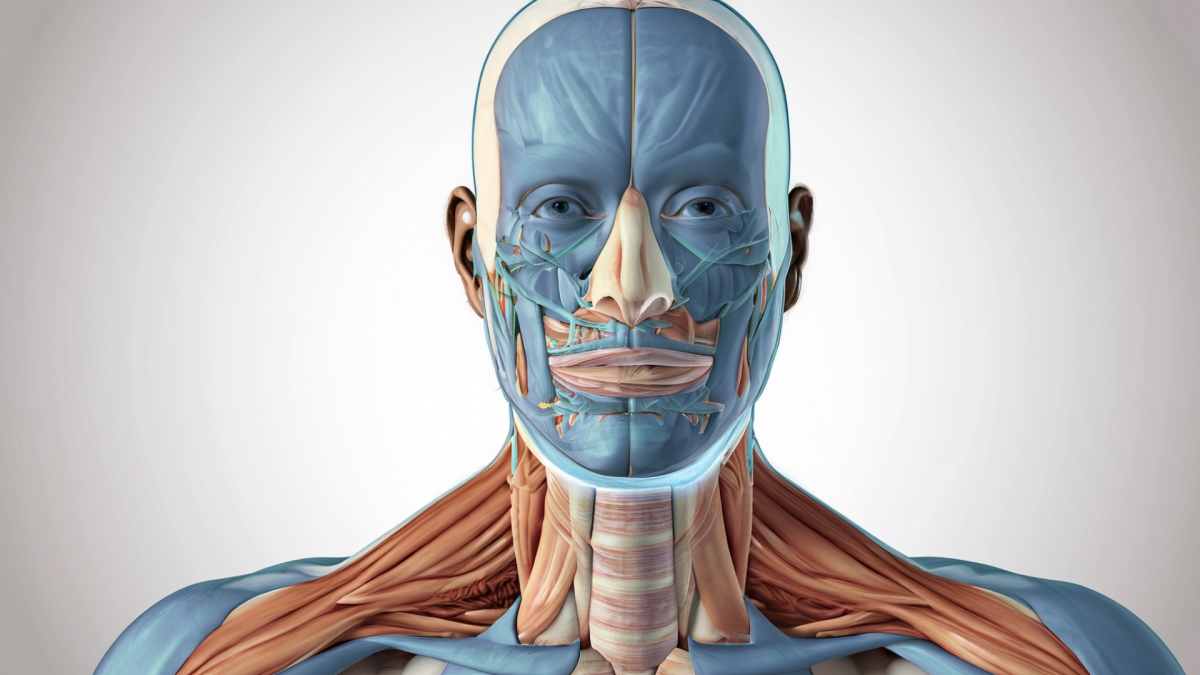
The purpose of this project is to provide students with a hands-on learning experience that combines the study of human body systems with engineering principles. By investigating the interaction