Grades:
6th Grade
This lesson uses taste-testing as a way to introduce and practice science and math practices, including observing, recording, predicting, writing a claim with evidence and reasoning. I have used it
Grades:
6th Grade, 7th Grade, 8th Grade
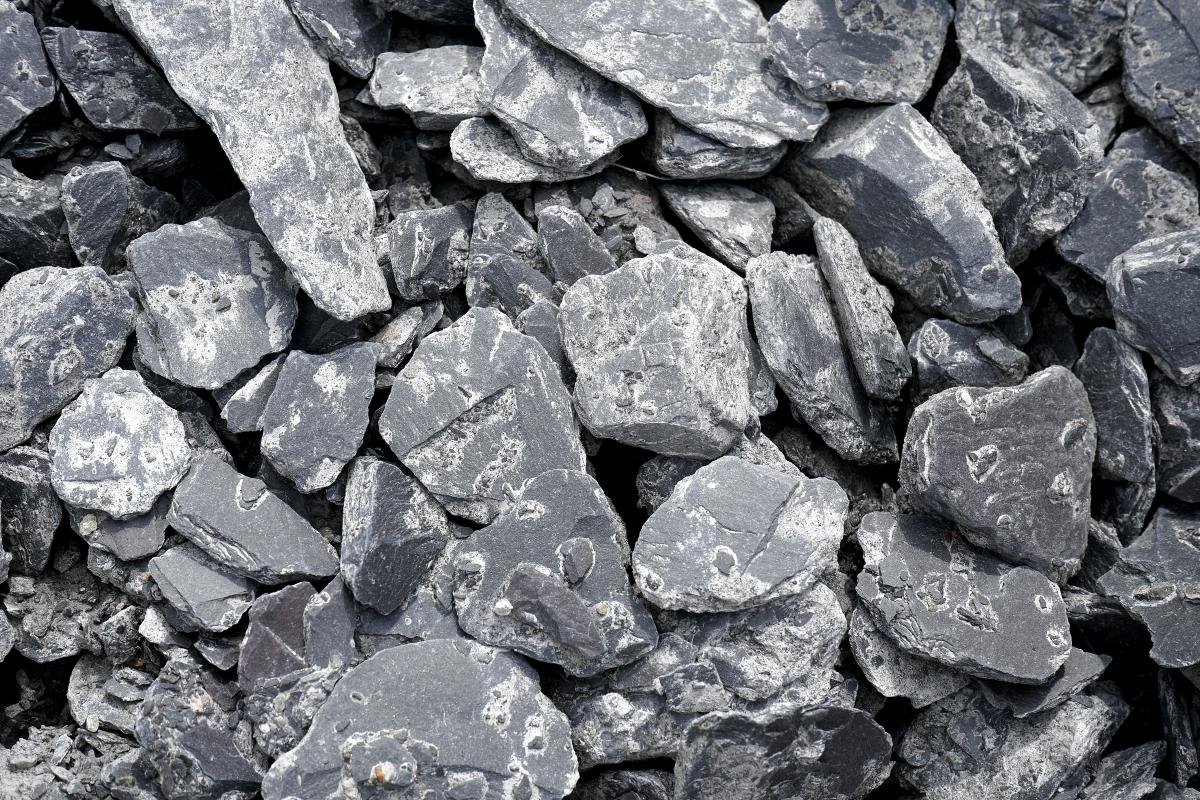
In this lesson, students learn about sediment classifications and develop a model for how sediments are sorted during deposition. Armed with this knowledge, students then gather dirt with favorable
Grades:
7th Grade, 8th Grade, 9th Grade, 10th Grade, 11th Grade, 12th Grade
Students will make a concrete mixture from sand and white glue. This entails a civil engineering lesson on strengthening soils in order to prevent structures from collapsing. Students will create a
Grades:
6th Grade, 7th Grade, 8th Grade
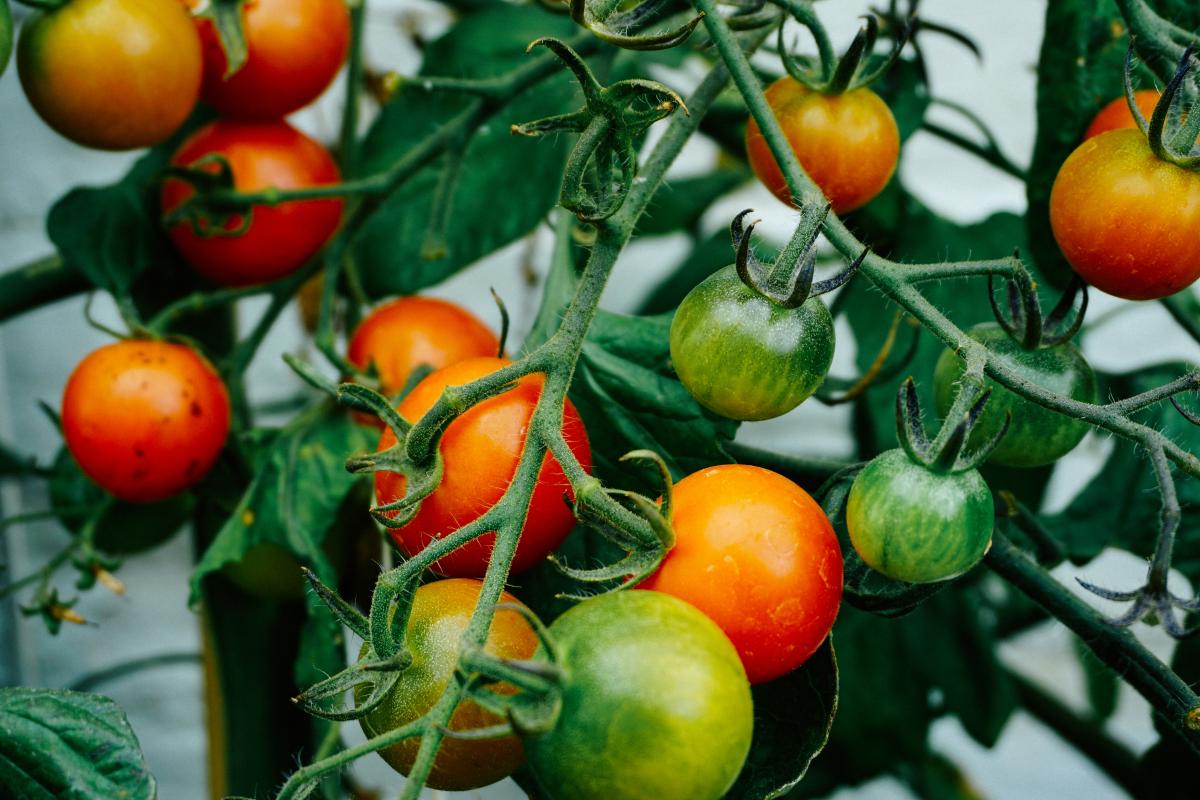
Students will learn the flavors and ratios that make up a popular soda! This engaging activity will have your students practicing math skills in a hands-on way!
Grades:
6th Grade, 7th Grade, 8th Grade, 9th Grade, 10th Grade
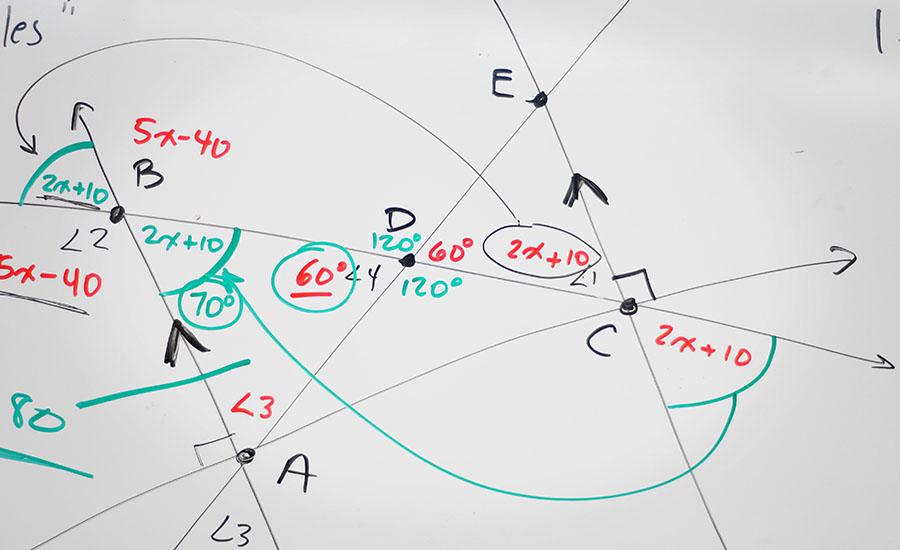
Students will use knowledge of surface area, volume and scale factors to miniaturize packaging from various grocery products.
Grades:
6th Grade
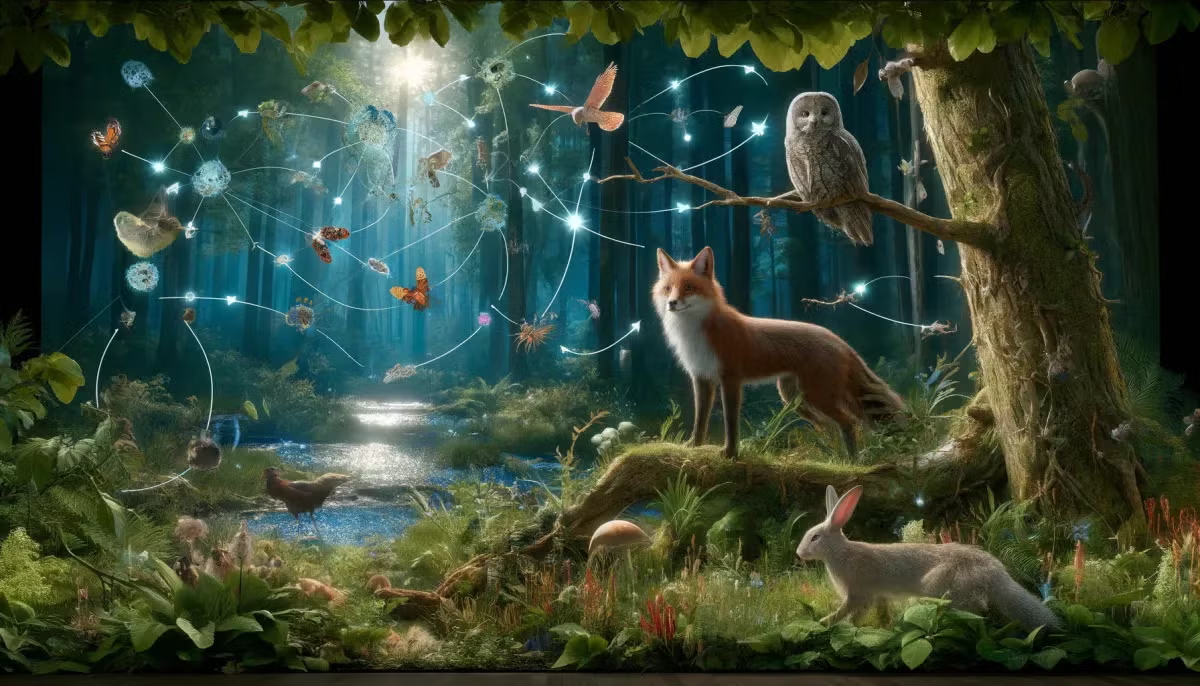
During the implementation of this lesson, students will have a great understanding of how we (humans) impact the world around us. Students will be able to understand how changes in an ecosystem's
Grades:
6th Grade, 7th Grade, 8th Grade
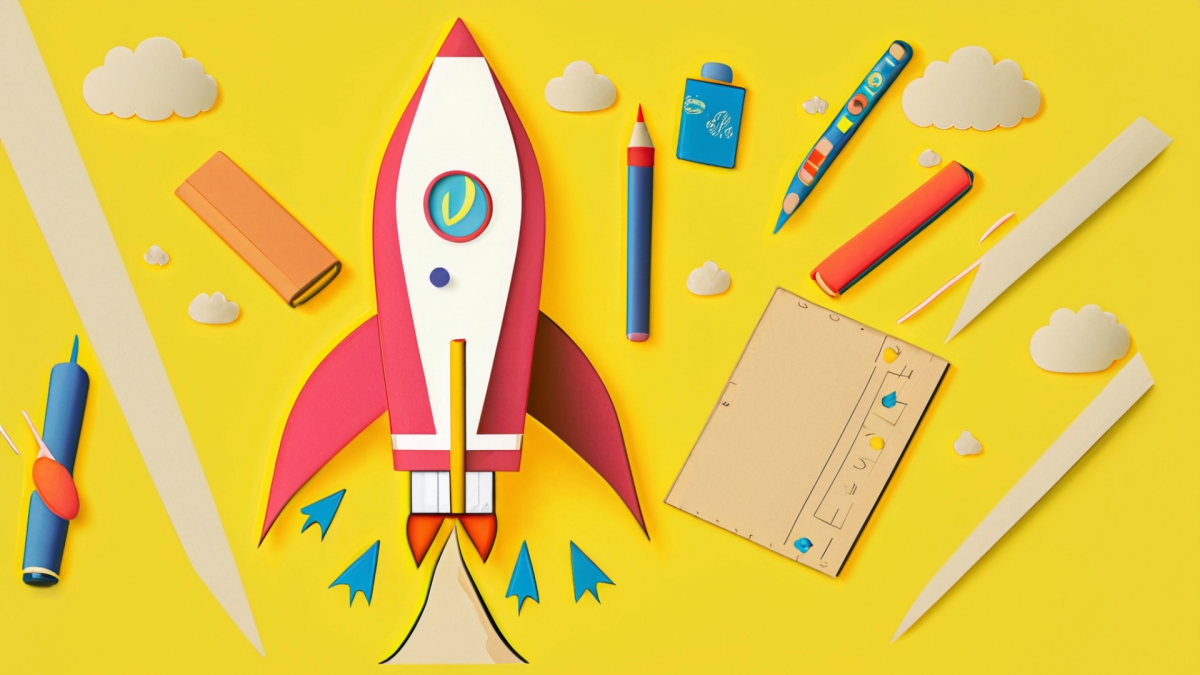
Integrating model rocketry into the 7th-grade curriculum and Arizona Science Standard 7.P2U1.4, we aim to bring Newton’s Laws of Motion to life for students. Students design and build a rocket using a
Grades:
7th Grade, 8th Grade
Students will inquire how oil and vinegar act when mixed. They will discover that without an emulsifier, the two liquids separate. When you add mustard or egg yolk, the liquids stay mixed longer —
Grades:
3rd Grade, 4th Grade
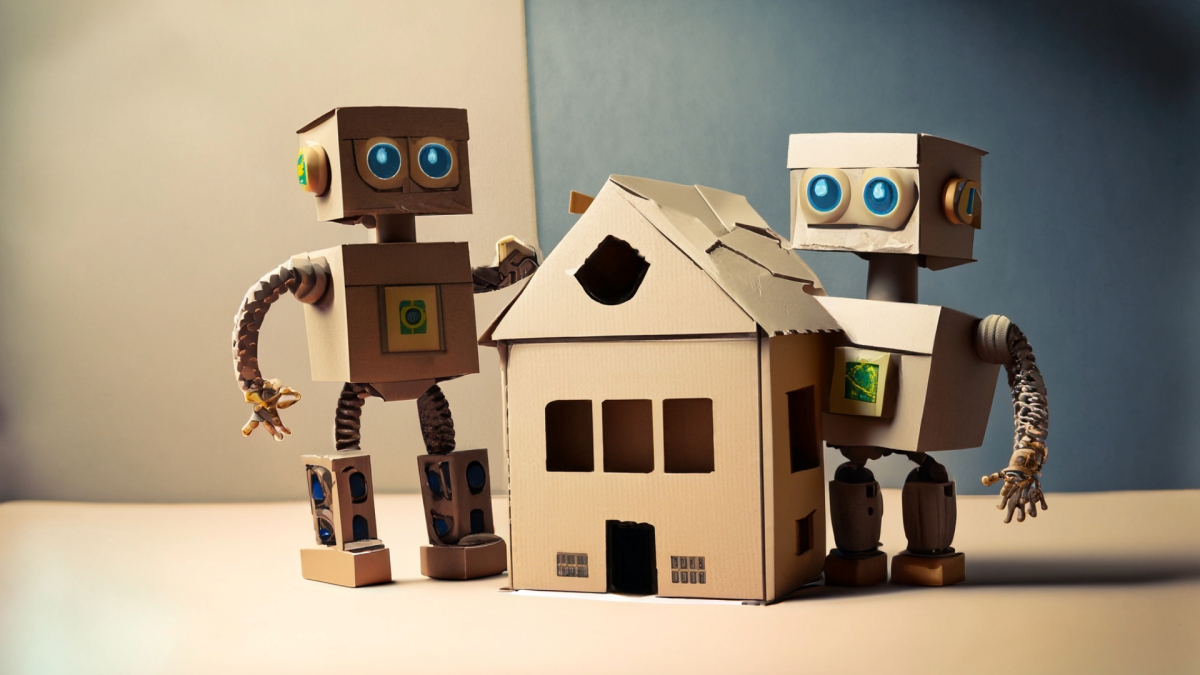
Encouraging students, from a young age, to think about their interests, dreams and goals lets them see possibilities for the future. As students listen to their thoughts and put those thoughts into
Grades:
3rd Grade, 4th Grade, 5th Grade
In the second lesson in the Thirst set, students will learn about Dharavi, a slum within the city of Mumbai. Economical water scarcity drives the lives of those who reside in Dharavi. Students will
Grades:
1st Grade, 2nd Grade, 3rd Grade
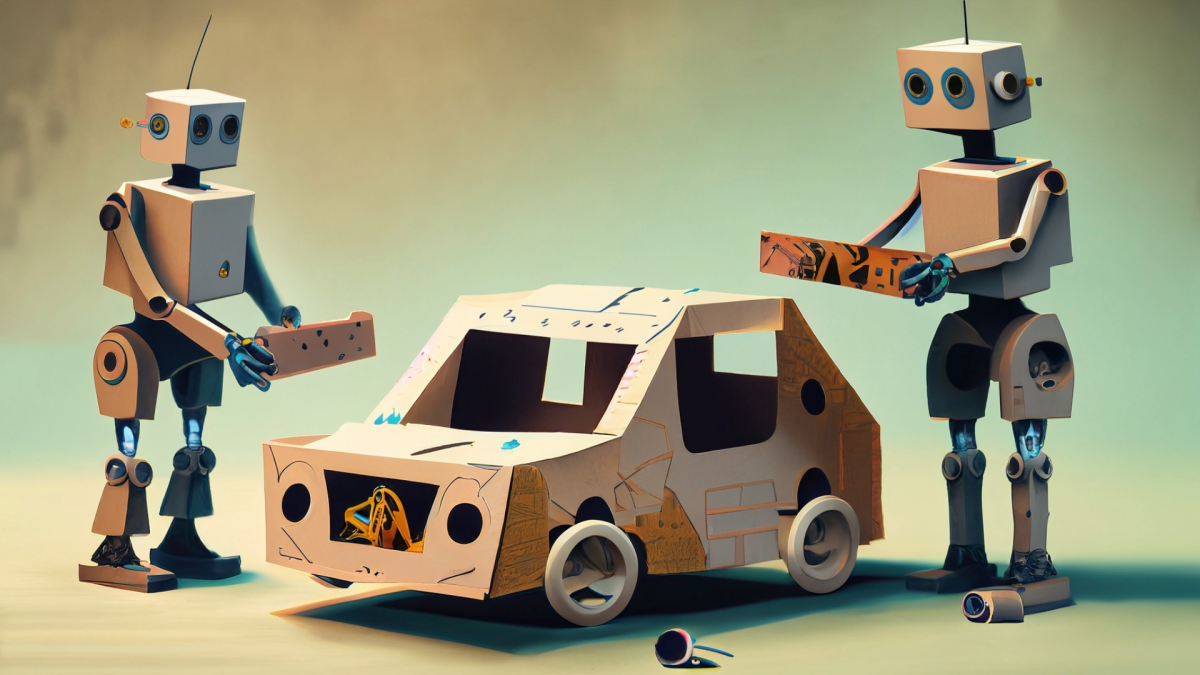
In this lesson, students design, build and test model candy cars made from simple materials. They measure the changes in distance and travel by the addition of revision of design features. Students
Grades:
7th Grade
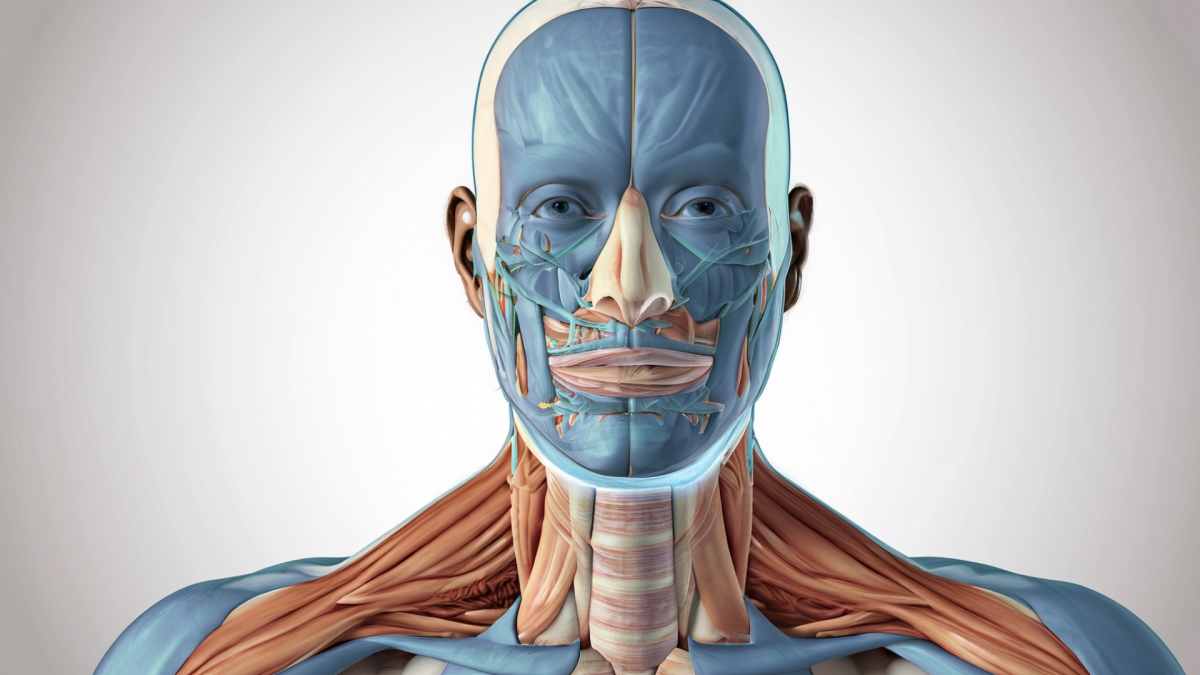
The purpose of this project is to provide students with a hands-on learning experience that combines the study of human body systems with engineering principles. By investigating the interaction
Grades:
8th Grade
Students will review heredity and genetics using this lesson plan. Students will have an opportunity to explore generations, genetic variations, pedigrees and fitness using this lesson plan and PhET
Grades:
5th Grade, 6th Grade
This is the second part of a two-part lesson. This lesson has students using a stethoscope to measure heart rate to collect data for equivalent ratios.
Grades:
5th Grade, 6th Grade
This is a lesson that has two parts. The first is a lesson is using the design process to create a simple stethoscope using various materials and defining which would give the best results. Part two
Grades:
6th Grade
Students will research, construct, and present replicas of ancient civilization monuments. They will explore the historical and cultural significance of these monuments and integrate knowledge from
Grades:
5th Grade
This lesson is primarily based off of Paul Anderson’s, “The Wonder of Science” website. The lessons can either be prepared with actual objects with you the teacher instructing or showing the video
Grades:
5th Grade, 6th Grade
This is a lesson plan made to target the fifith grade standard on how noncontact forces impact one another. It can be adapted to grades 5-12. Students will explore magnetism and polarization, research
Halt, Who Goes [in/out] There? Structure and Function of the Cell Membrane in Different Environments
Grades:
7th Grade
The purpose of this lesson is to engage 7th-grade students in a hands-on investigation of how salt concentrations affect plant cells. By exploring the process of osmosis, students will gain a deeper
Grades:
9th Grade, 10th Grade, 11th Grade, 12th Grade
Students pull wooden "sleds" with different masses on them over various types of surfaces with spring scales (force meters) to calculate the different coefficients of friction. Students graph the data
Grades:
7th Grade
This project transforms students into solar power investigators! They'll construct miniature solar power plants (model houses) and test methods to combat dust, a real-world challenge for solar panels
Grades:
6th Grade, 7th Grade, 8th Grade
In the Drone Light Show project, students will explore the intersection of technology, creativity, and teamwork by designing and programming their own synchronized drone light show. Utilizing DJI
Grades:
6th Grade
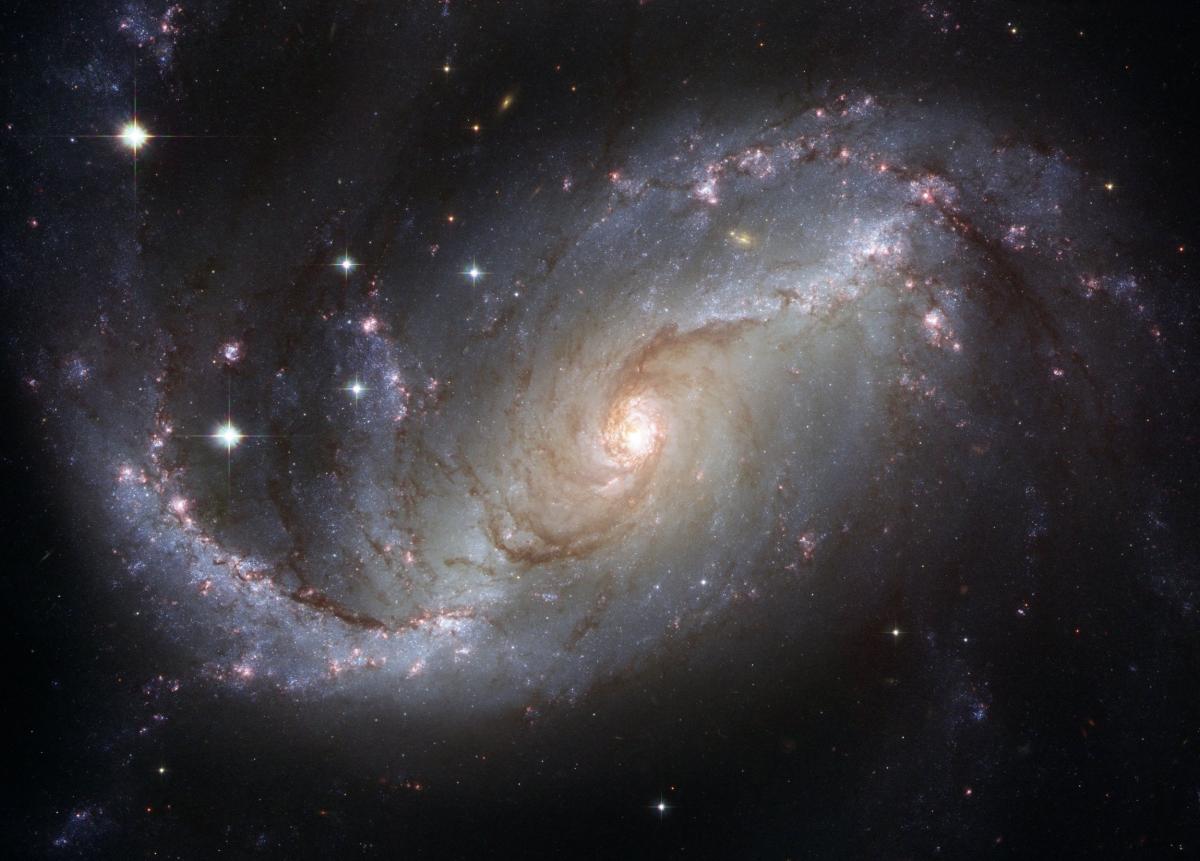
Students will work together to create a scale to build the solar system using ratios and proportions.
Grades:
8th Grade, 9th Grade
This is the second part of the lesson: Soap Lab - Soap Making. In this lesson, students will take what they learned about soap making and develop a marketing plan for their company. Students will