Grades:
9th Grade, 10th Grade, 11th Grade, 12th Grade
Multi-week cross-curricular project combining STEM, cultural studies, history, and ELA, culminating in cultural exchange, podcast style reflections, photo/video sharing/storytelling, and an experience
Grades:
3rd Grade, 4th Grade
The central activity involves students working in small groups to plan and produce a short stop motion film. The driving question for the lesson is, "How can we tell a story using only pictures and
Grades:
6th Grade
This lesson uses taste-testing as a way to introduce and practice science and math practices, including observing, recording, predicting, writing a claim with evidence and reasoning. I have used it
Grades:
6th Grade, 7th Grade, 8th Grade
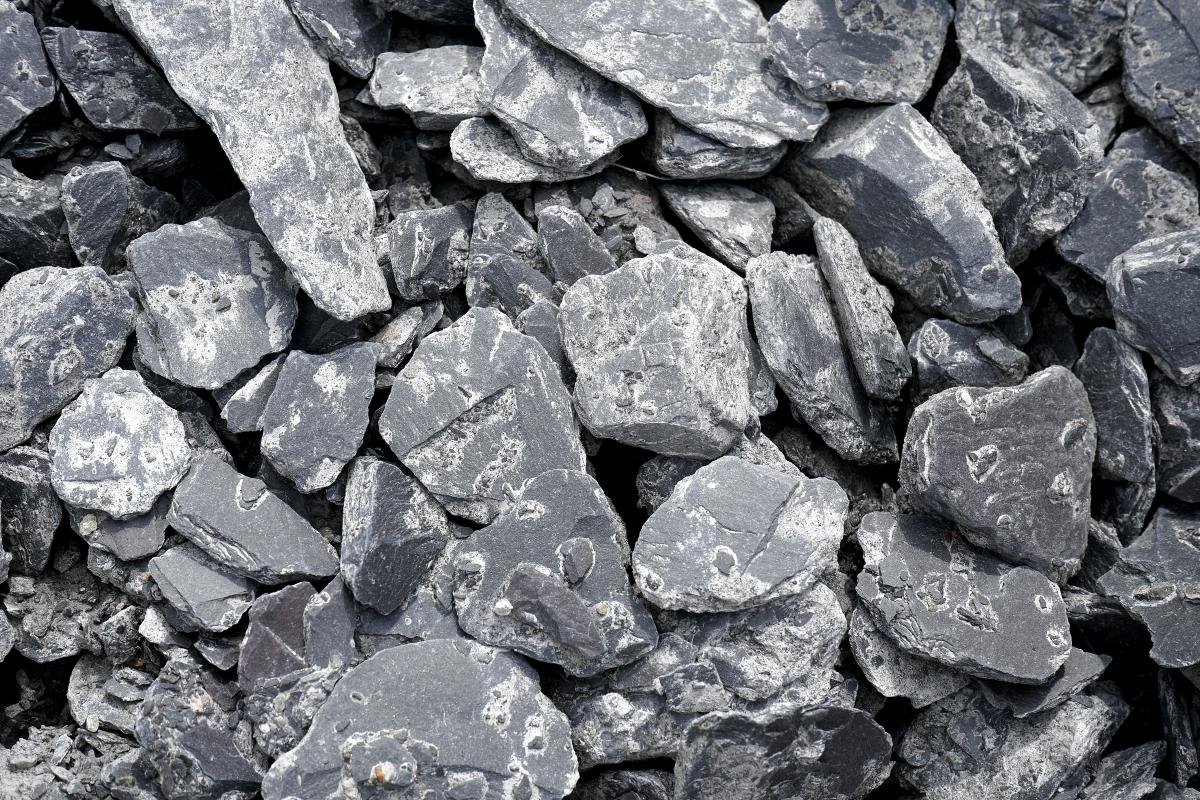
In this lesson, students learn about sediment classifications and develop a model for how sediments are sorted during deposition. Armed with this knowledge, students then gather dirt with favorable
Grades:
8th Grade, 9th Grade, 10th Grade, 11th Grade, 12th Grade
Exploring Technology with 3D Pens introduces students to hands-on innovation by combining creativity and technology. Students learn how 3D pens work, practice designing and designing cultural images
Grades:
11th Grade, 12th Grade
Students discover how the physics of waves and sound connect to real-world biomedical challenges. Through hands-on simulations, spectrogram analysis, and a design challenge, they explore how engineers
Grades:
7th Grade, 8th Grade, 9th Grade, 10th Grade, 11th Grade, 12th Grade
Students will make a concrete mixture from sand and white glue. This entails a civil engineering lesson on strengthening soils in order to prevent structures from collapsing. Students will create a
Grades:
9th Grade, 10th Grade
In this lesson, students will explore the cell membrane as the selective “gatekeeper” of the cell, regulating the movement of substances to maintain balance and homeostasis. Using both virtual reality

Grades:
10th Grade, 11th Grade, 12th Grade
Students will construct a wind turbine, gauge energy efficiency and durability. Students will then reflect on their data. This leads to a great discussion on different methods for capturing energy.
Grades:
6th Grade, 7th Grade, 8th Grade
Students will learn the flavors and ratios that make up a popular soda! This engaging activity will have your students practicing math skills in a hands-on way!
Grades:
6th Grade, 7th Grade, 8th Grade
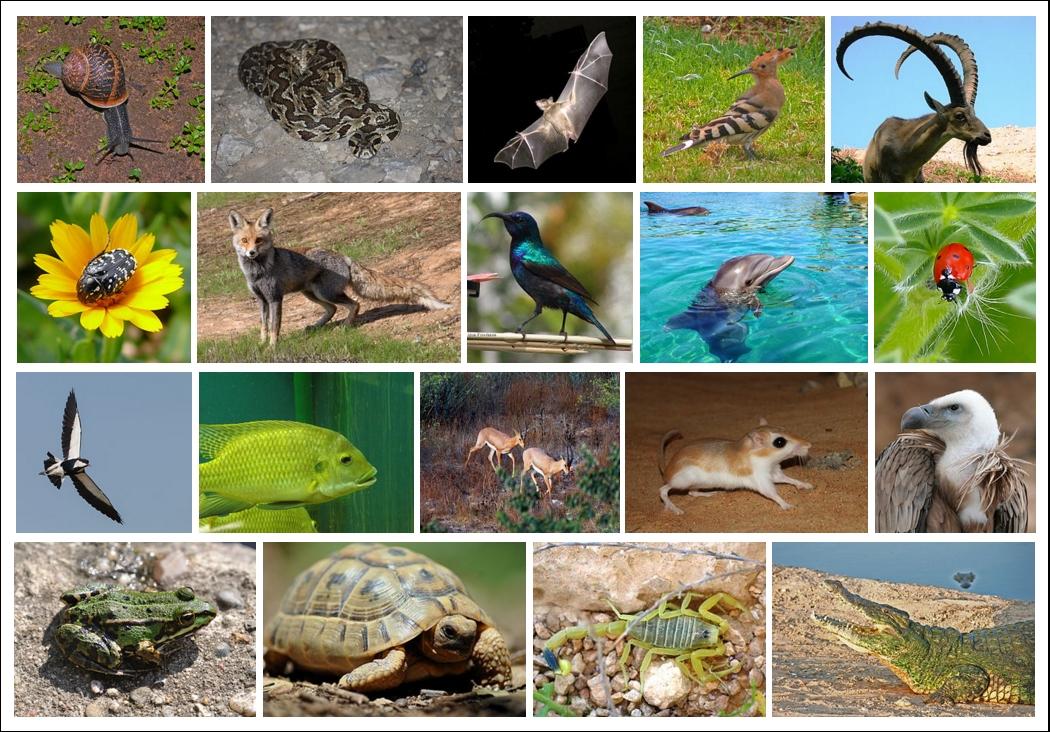
In this lesson, students will learn about biomimicry—the design and production of materials, structures, and systems modeled on biological entities and processes. Students will explore examples of

Grades:
4th Grade
In this lesson, 4th grade students will explore foundational coding concepts and develop problem-solving skills by navigating programmable robots or coded paths through mazes. Students will learn
Grades:
5th Grade
In this STEAM-integrated lesson, students explore how sound travels in waves by building a laser-based oscilloscope using a vibrating surface and mirror. They visually capture sound vibrations by
Grades:
6th Grade, 7th Grade, 8th Grade, 9th Grade, 10th Grade
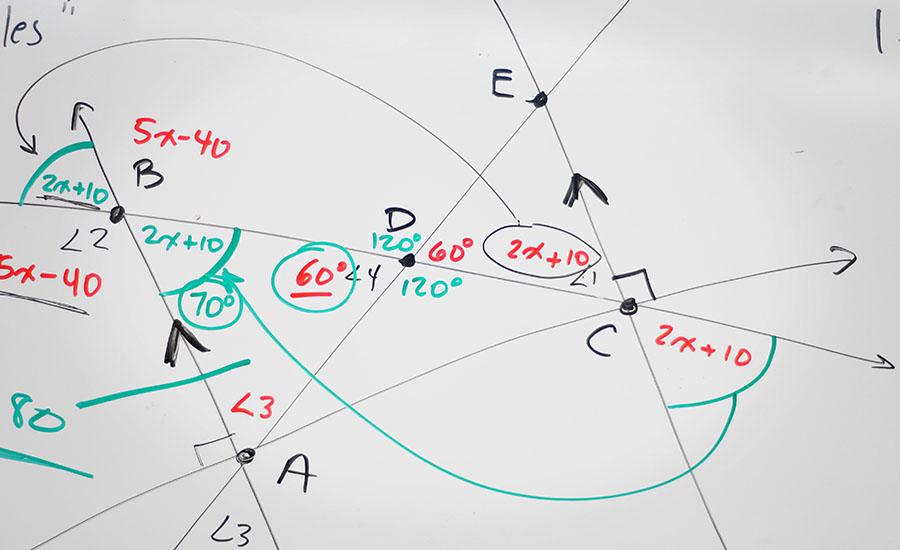
Students will use knowledge of surface area, volume and scale factors to miniaturize packaging from various grocery products.
Grades:
6th Grade
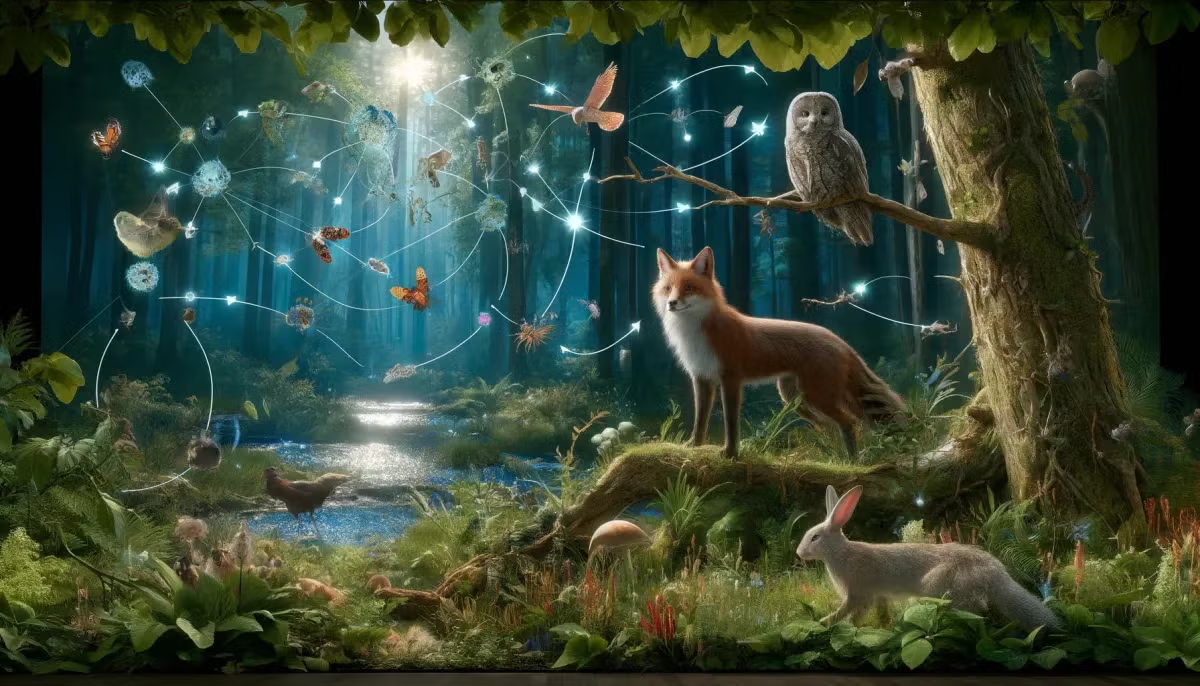
During the implementation of this lesson, students will have a great understanding of how we (humans) impact the world around us. Students will be able to understand how changes in an ecosystem's

Grades:
4th Grade
Students using codes to control the Code and Go Mouse. Students will also use booklets to document their finding.
Grades:
4th Grade
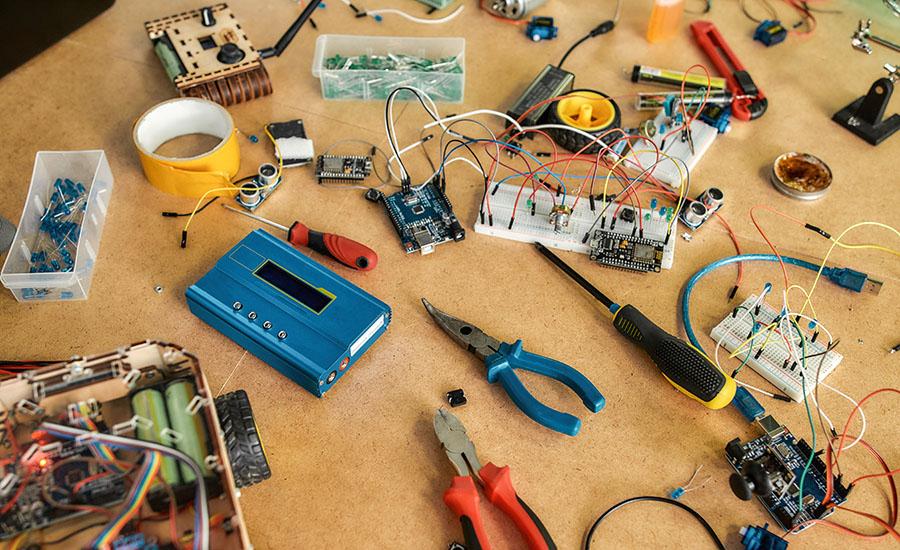
In this integrated STEM and literacy lesson, 4th grade students will explore survival challenges faced by the main character in Hatchet by Gary Paulsen. After analyzing the story and discussing Brian

Grades:
6th Grade, 7th Grade, 8th Grade
Integrating model rocketry into the 7th-grade curriculum and Arizona Science Standard 7.P2U1.4, we aim to bring Newton’s Laws of Motion to life for students. Students design and build a rocket using a
Grades:
7th Grade, 8th Grade
Students will inquire how oil and vinegar act when mixed. They will discover that without an emulsifier, the two liquids separate. When you add mustard or egg yolk, the liquids stay mixed longer —
Grades:
3rd Grade, 4th Grade, 5th Grade
These daily STEAM challenges will excite students creativity and innovative building and thinking skills. Students will work in teams to create a variety of building projects such as: mazes, elevators

Featured
Makey Makey Storyboards
Grades:
Kindergarten, 1st Grade, 2nd Grade, 3rd Grade, 4th Grade, 5th Grade, 6th Grade, 7th Grade, 8th Grade, 9th Grade, 10th Grade, 11th Grade, 12th Grade
This lesson takes students through the process of creating an interactive storyboard using a Makey Makey circuit board. This lesson can be adjusted for any grade level with examples given in the 4th
Grades:
6th Grade, 7th Grade, 8th Grade, 9th Grade, 10th Grade, 11th Grade, 12th Grade
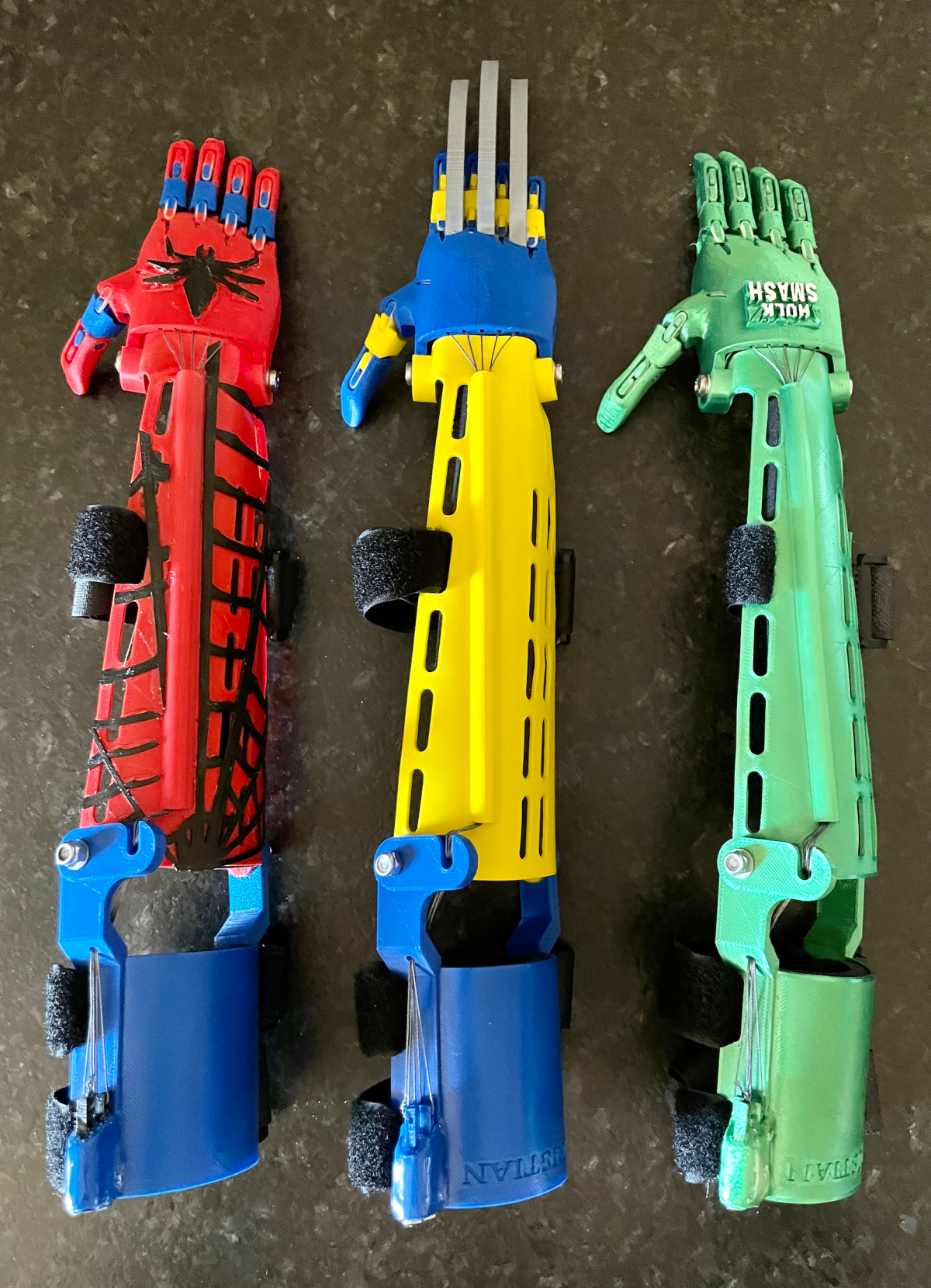
Be a part of the humanitarian effort and teach students how to create a fully functioning 3D printed prosthetic arm for a client in need. This lesson walks you through the process in a slideshow
Grades:
3rd Grade, 4th Grade
Encouraging students, from a young age, to think about their interests, dreams and goals lets them see possibilities for the future. As students listen to their thoughts and put those thoughts into
Grades:
6th Grade, 7th Grade, 8th Grade, 9th Grade, 10th Grade
This lesson aims to introduce students to the fundamental concepts of geometry through the lens of architecture. Students will explore the properties of geometric shapes, study famous architectural