Grades:
Kindergarten, 1st Grade
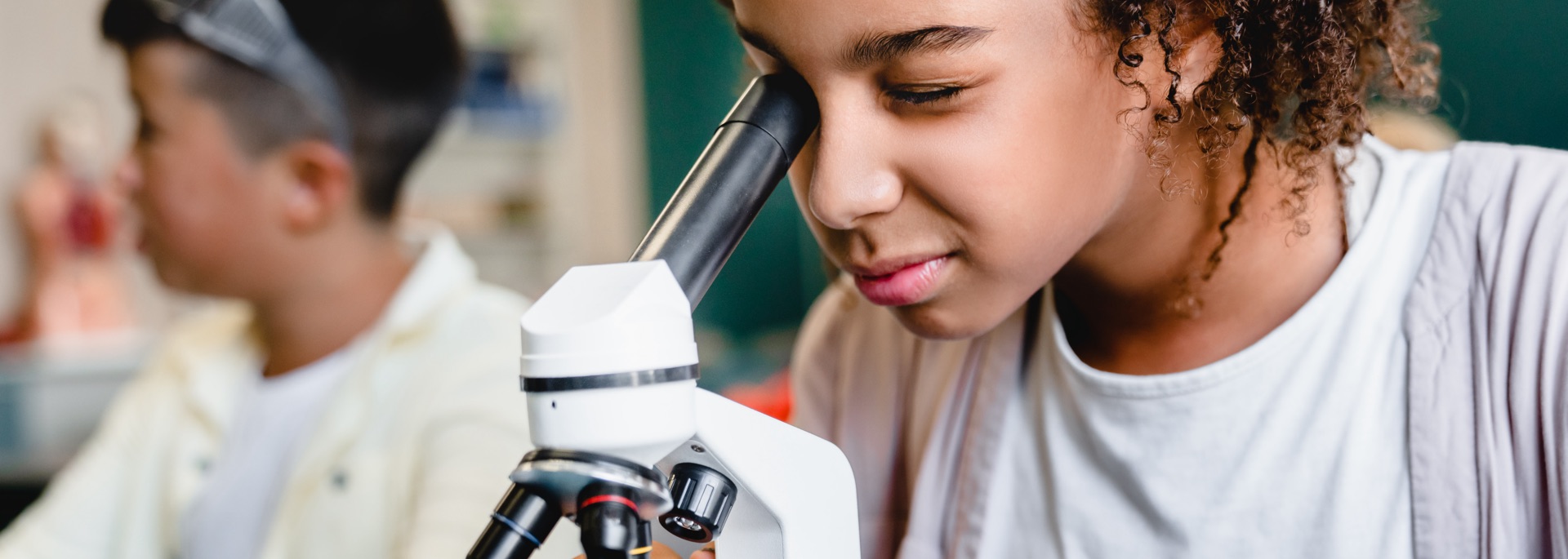
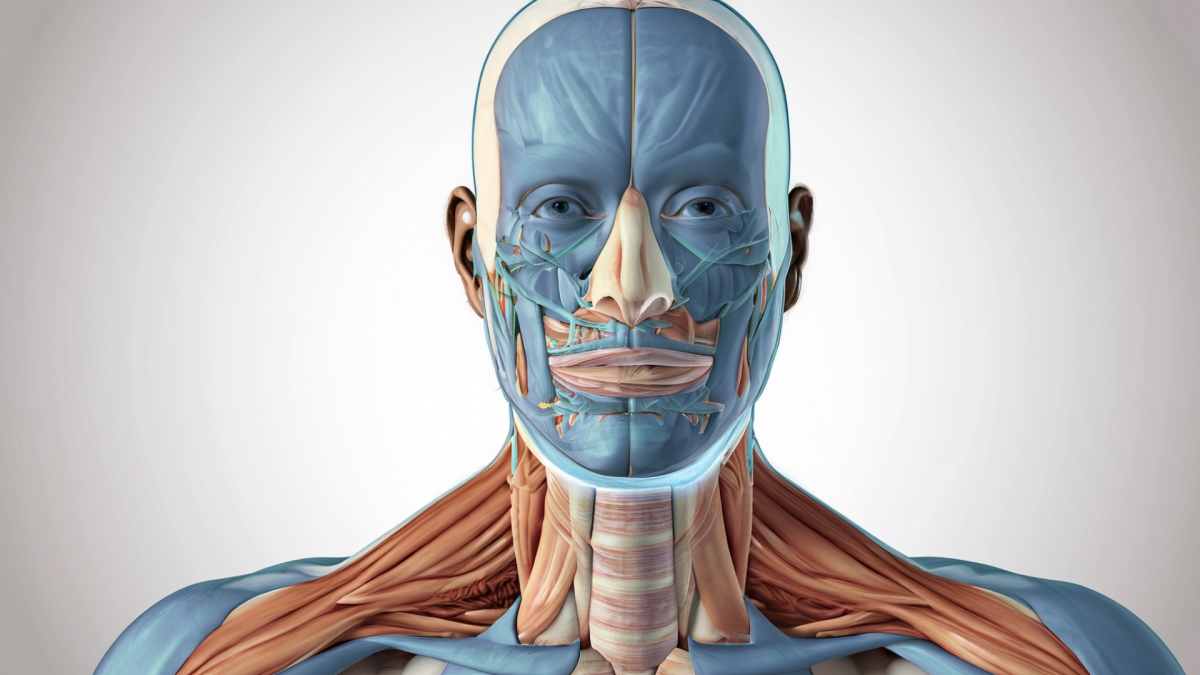
Students will learn about the parts on their head, how they help their five senses, and how to say it in Apache. Students will also practice their measuring skills in order to measure their head.
Grades:
8th Grade
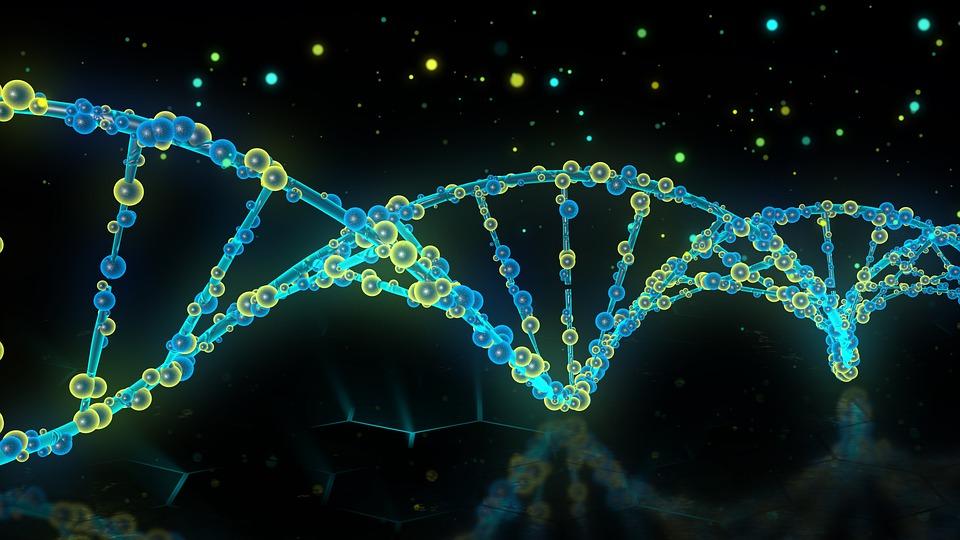
Students will be extracting DNA from strawberries to help them understand DNA and its role in heredity and inheritance. Students will also practice math skills and compare data.
Grades:
3rd Grade, 4th Grade
The central activity involves students working in small groups to plan and produce a short stop motion film. The driving question for the lesson is, "How can we tell a story using only pictures and
Grades:
2nd Grade
Students will listen to Carla’s Glasses and use the engineering design process to plan and create their own glasses using Maker Space materials. They will use measurement and symmetry to help design
Grades:
6th Grade
This lesson uses taste-testing as a way to introduce and practice science and math practices, including observing, recording, predicting, writing a claim with evidence and reasoning. I have used it
Grades:
6th Grade, 7th Grade, 8th Grade
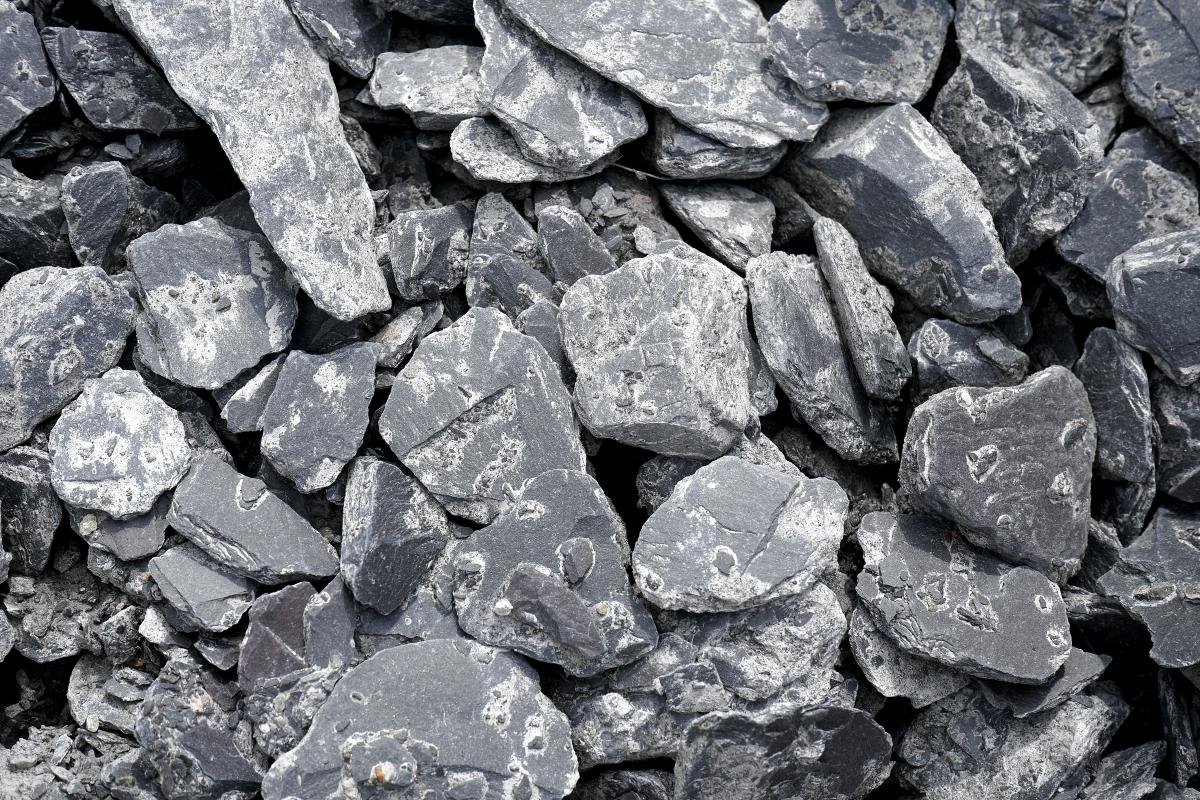
In this lesson, students learn about sediment classifications and develop a model for how sediments are sorted during deposition. Armed with this knowledge, students then gather dirt with favorable
Grades:
6th Grade
In this 6th grade STEM lesson, students explore the real-world challenges of renewable energy by designing and testing simple solar oven and wind turbine models. Working collaboratively, they will
Grades:
11th Grade, 12th Grade
Students discover how the physics of waves and sound connect to real-world biomedical challenges. Through hands-on simulations, spectrogram analysis, and a design challenge, they explore how engineers
Grades:
11th Grade
Students will use motion detectors to move to match given potion time graphs which will create velocity graphs. They have to learn how to read new graphs and to compare real motion to graphical data
Grades:
7th Grade, 8th Grade, 9th Grade, 10th Grade, 11th Grade, 12th Grade
Students will make a concrete mixture from sand and white glue. This entails a civil engineering lesson on strengthening soils in order to prevent structures from collapsing. Students will create a
Grades:
1st Grade, 2nd Grade, 3rd Grade, 4th Grade
In this lesson, students will learn how insects build sustainable homes and model the insect homes to design a settlement on Mars using the concept of biomimicry. In this lesson, the students will
Grades:
6th Grade
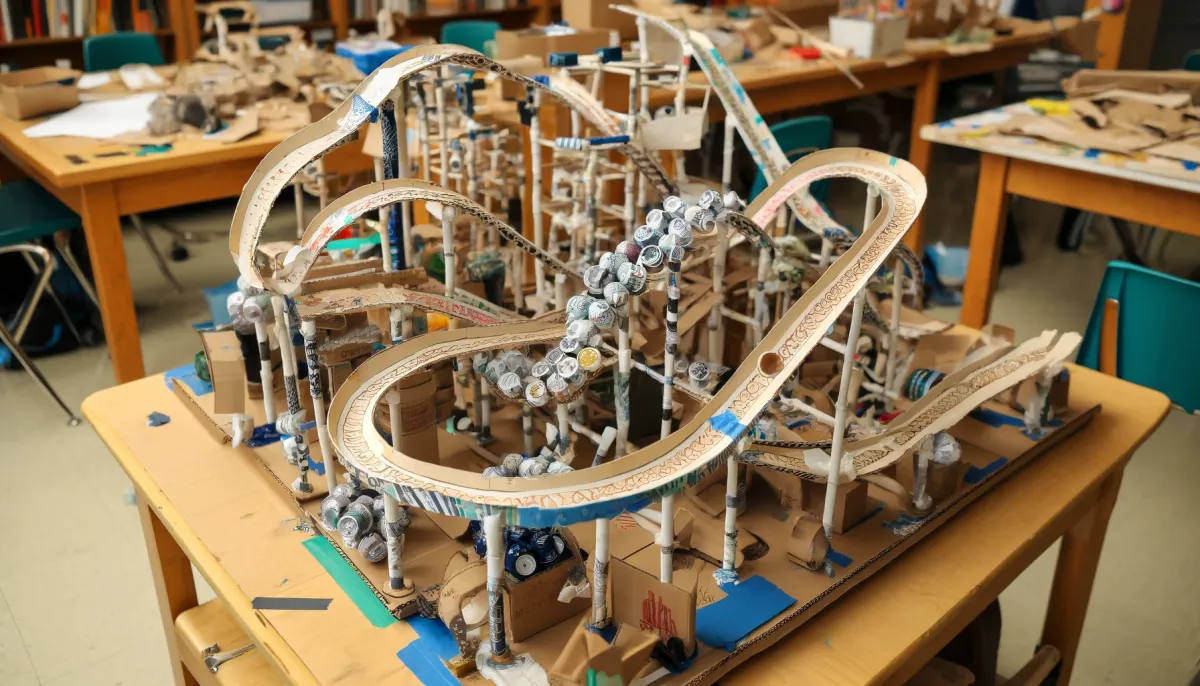
Students design and build eco-friendly theme park rides using recycled materials to model energy efficiency, test data, and explore sustainable power sources through STEAM.
Grades:
9th Grade, 10th Grade
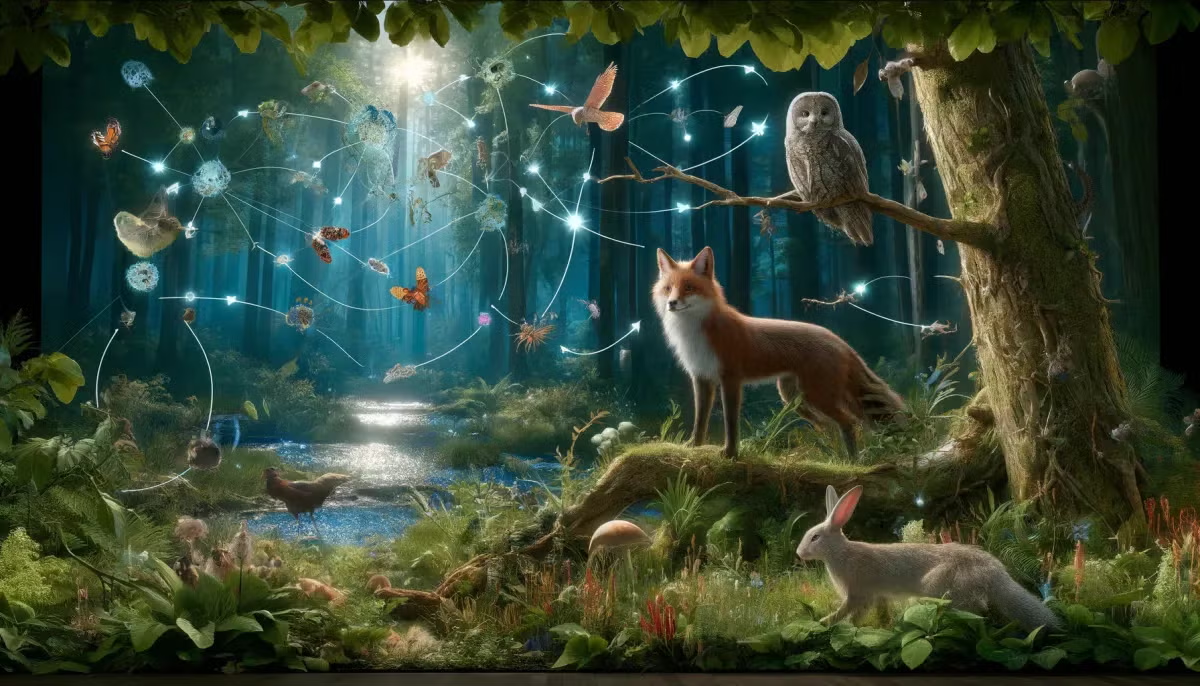
In this interactive simulation, students explore the concept of carrying capacity by modeling changes in a deer population over 20 years. Using dice rolls and ecological scenarios, students apply
Grades:
Kindergarten, 1st Grade, 2nd Grade
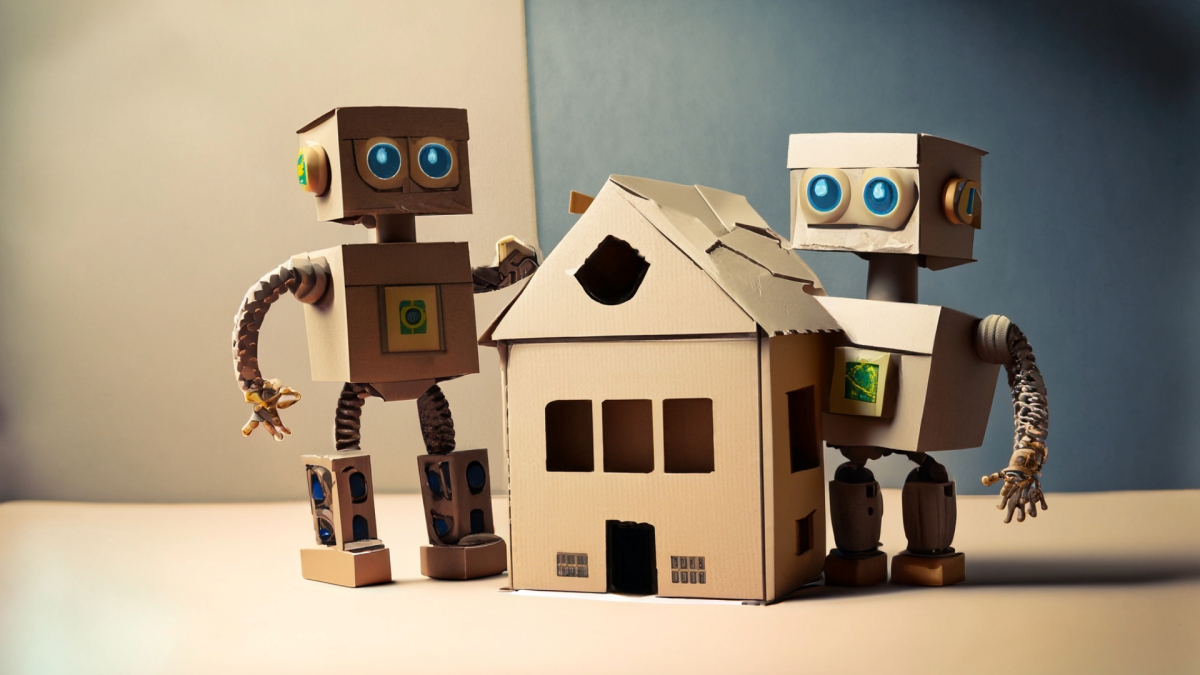
Students will dive into STEM, literacy, and math concepts through the timeless story of The Three Little Pigs! Students will explore materials by comparing the properties of straw, sticks, and bricks
Grades:
6th Grade
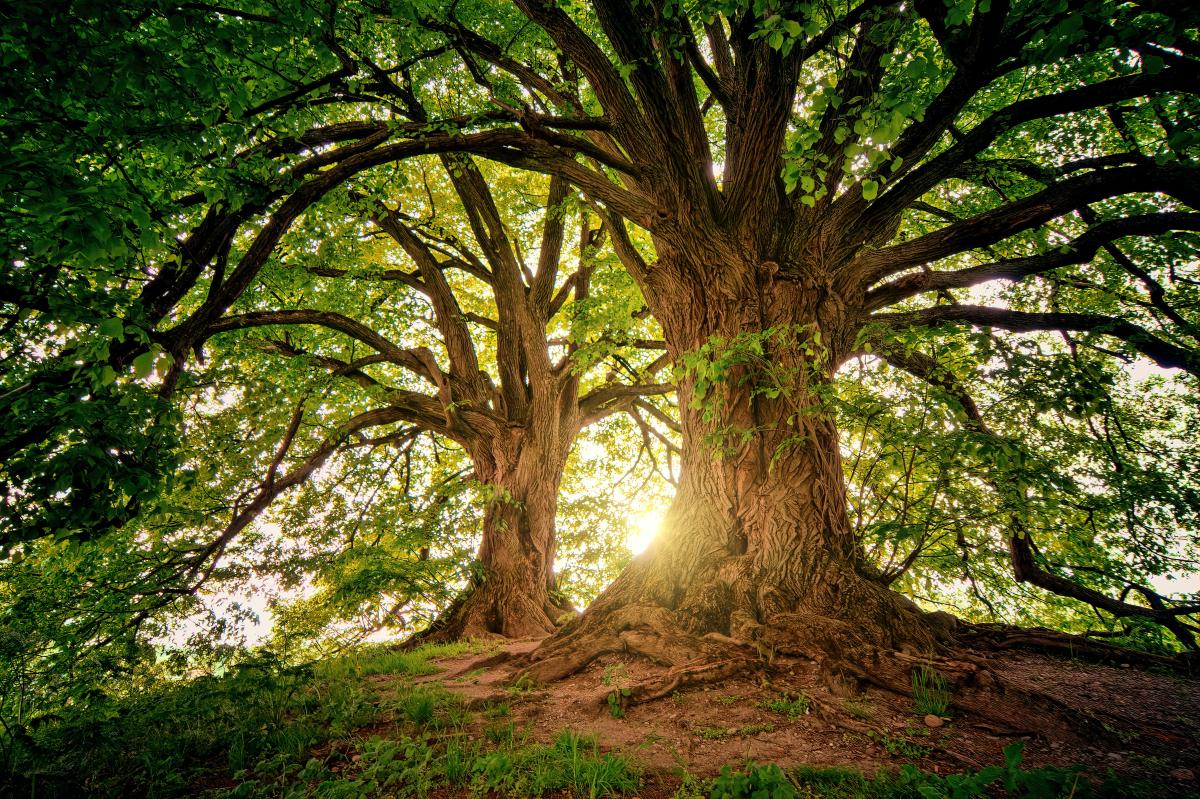
Students explore the heat island effect by investigating surface temperatures around their school grounds. They will utilize various technology to conduct the investigation, as well as collect and

Grades:
6th Grade
With this lessons, students code a Sphero to practice plotting points and identifying quadrants on a coordinate plane. This is a great way to combine technology and math into a hands-on, engaging
Grades:
9th Grade, 10th Grade, 11th Grade, 12th Grade
This lesson introduces students to the logistic growth function as a model of population growth with limiting factors. Students will compare exponential and logistic growth, interpret key parameters
Grades:
6th Grade, 7th Grade, 8th Grade
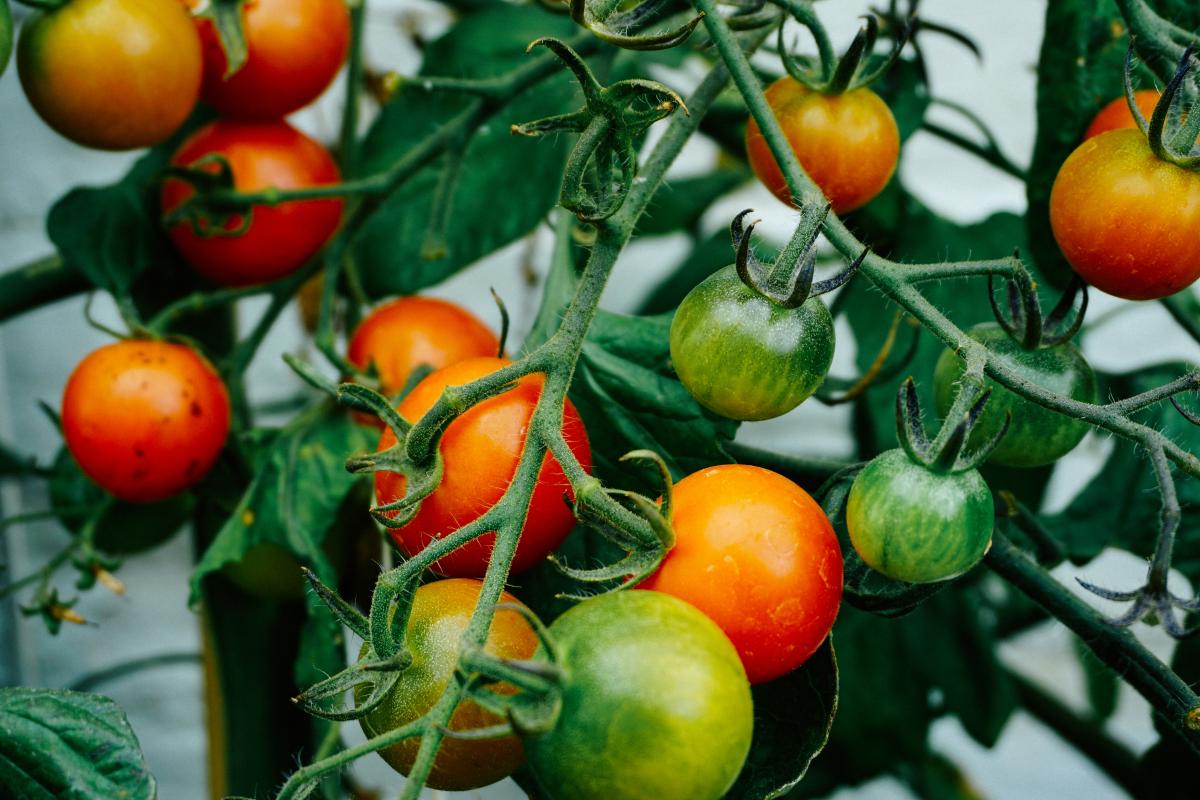
Students will learn the flavors and ratios that make up a popular soda! This engaging activity will have your students practicing math skills in a hands-on way!

Grades:
4th Grade
In this lesson, 4th grade students will explore foundational coding concepts and develop problem-solving skills by navigating programmable robots or coded paths through mazes. Students will learn
Grades:
9th Grade, 10th Grade, 11th Grade, 12th Grade
In this lesson, students explore how scientists identify bacteria by analyzing the 16S ribosomal RNA gene. Through hands-on activities and bioinformatics tools, students learn the process of
Grades:
Kindergarten
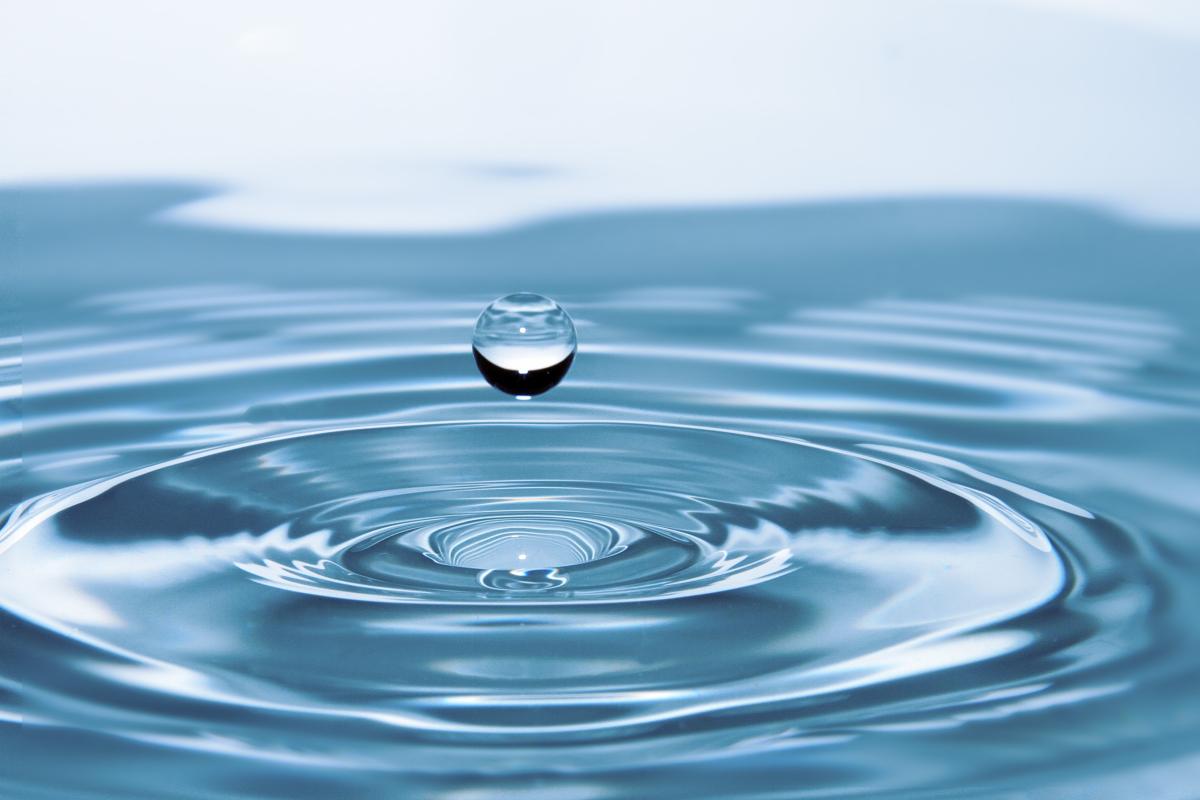
In this water science investigation, kindergarten students learn about the many ways water is used and why it is so important. Students will create a rain gauge to measure how much it rains.
Grades:
6th Grade, 7th Grade, 8th Grade, 9th Grade, 10th Grade
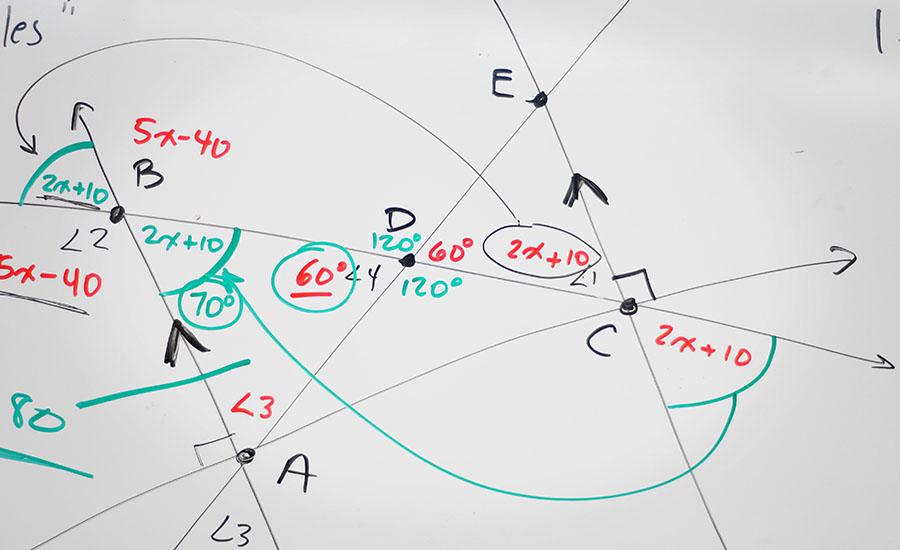
Students will use knowledge of surface area, volume and scale factors to miniaturize packaging from various grocery products.
Grades:
1st Grade
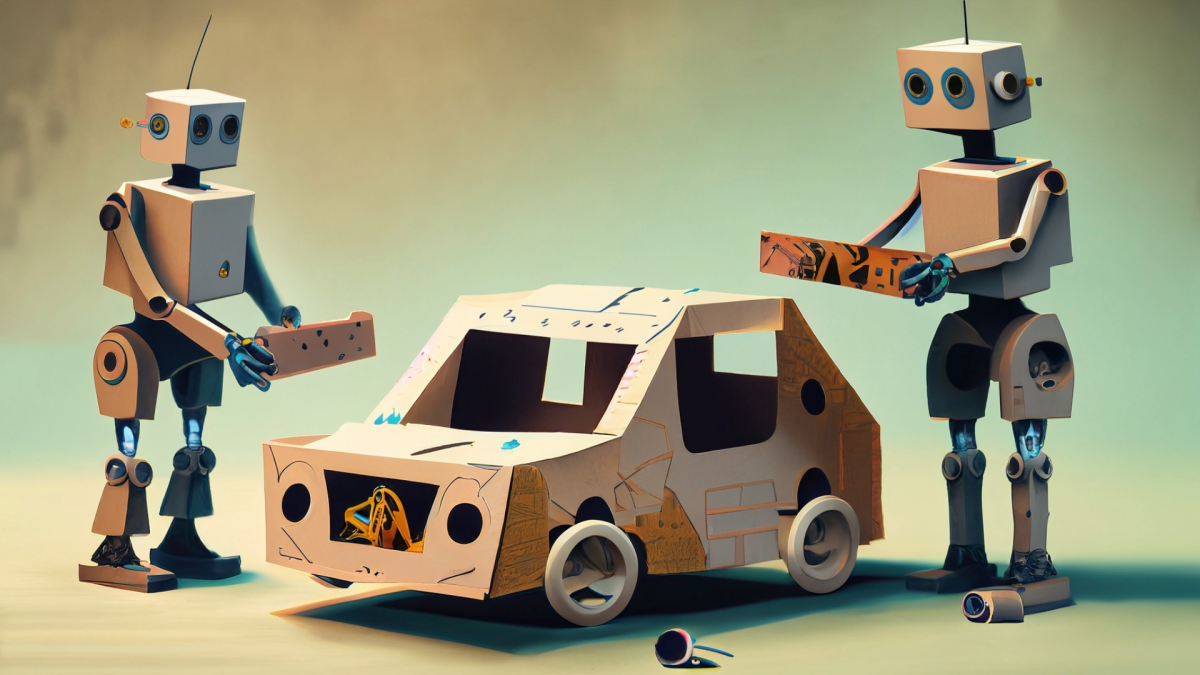
First-grade students get hands-on experience with heat from friction. This lesson provides opportunities to explore with friction, record and evaluate data, and design a vehicle using materials that

Grades:
9th Grade, 10th Grade, 11th Grade, 12th Grade
Code an if/then text based adventure game with Flowgorithm. Flowgorithm is a unique coding environment different from Scratch because it uses core coding concepts of flowcharts to demonstrate working