
Grades:
3rd Grade, 4th Grade
The central activity involves students working in small groups to plan and produce a short stop motion film. The driving question for the lesson is, "How can we tell a story using only pictures and

Grades:
11th Grade, 12th Grade
Students discover how the physics of waves and sound connect to real-world biomedical challenges. Through hands-on simulations, spectrogram analysis, and a design challenge, they explore how engineers
Grades:
6th Grade
Students explore the heat island effect by investigating surface temperatures around their school grounds. They will utilize various technology to conduct the investigation, as well as collect and

Grades:
6th Grade
With this lessons, students code a Sphero to practice plotting points and identifying quadrants on a coordinate plane. This is a great way to combine technology and math into a hands-on, engaging

Grades:
4th Grade
In this lesson, 4th grade students will explore foundational coding concepts and develop problem-solving skills by navigating programmable robots or coded paths through mazes. Students will learn
Grades:
9th Grade, 10th Grade, 11th Grade, 12th Grade
In this lesson, students explore how scientists identify bacteria by analyzing the 16S ribosomal RNA gene. Through hands-on activities and bioinformatics tools, students learn the process of
Grades:
4th Grade
In this integrated STEM and literacy lesson, 4th grade students will explore survival challenges faced by the main character in Hatchet by Gary Paulsen. After analyzing the story and discussing Brian
Grades:
9th Grade, 10th Grade
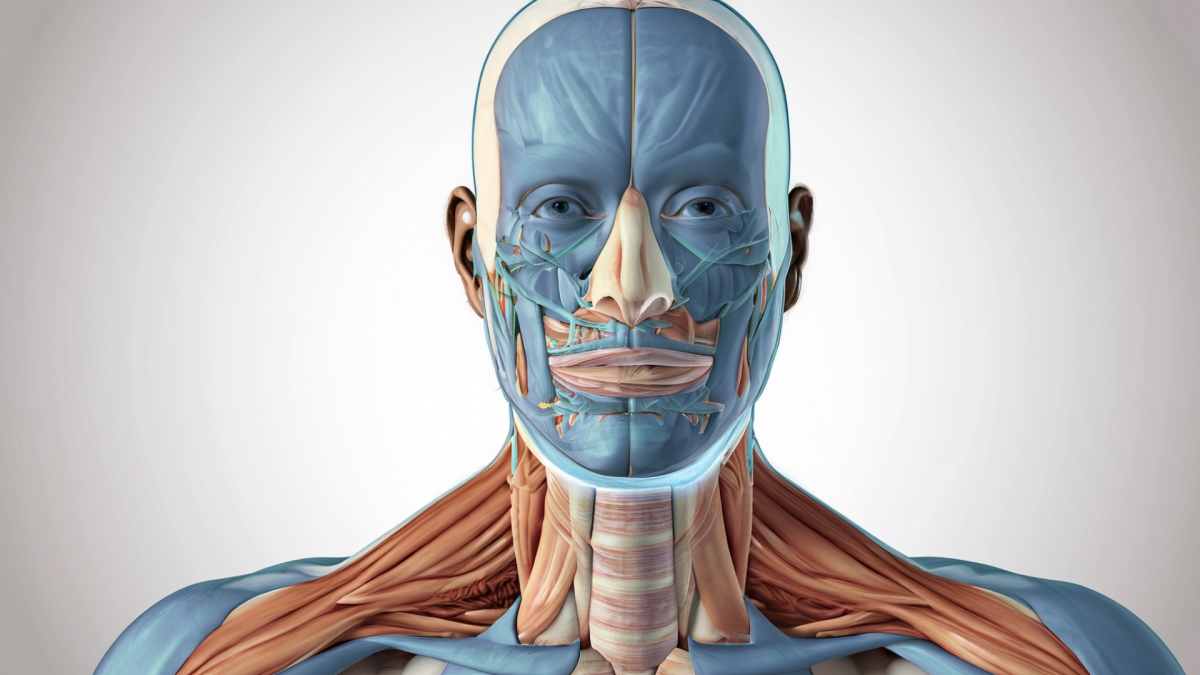
Students will be able to see the effects of cellular respiration (exhalation of carbon dioxide) in a state of rest as well as during a state of exercise and to correlate cellular respiration with
Grades:
9th Grade, 10th Grade
How do the components in your food help / hinder cellular respiration? The purpose of this lesson is to understand the contents of our favorite foods and then understand what foods contain vitamin C

Grades:
6th Grade, 7th Grade, 8th Grade
Developing STEM skills will advance workforce development and fostering critical thinking. This free, online lab manual features scientific computing activities designed for middle school
Grades:
6th Grade, 7th Grade, 8th Grade, 9th Grade, 10th Grade, 11th Grade, 12th Grade
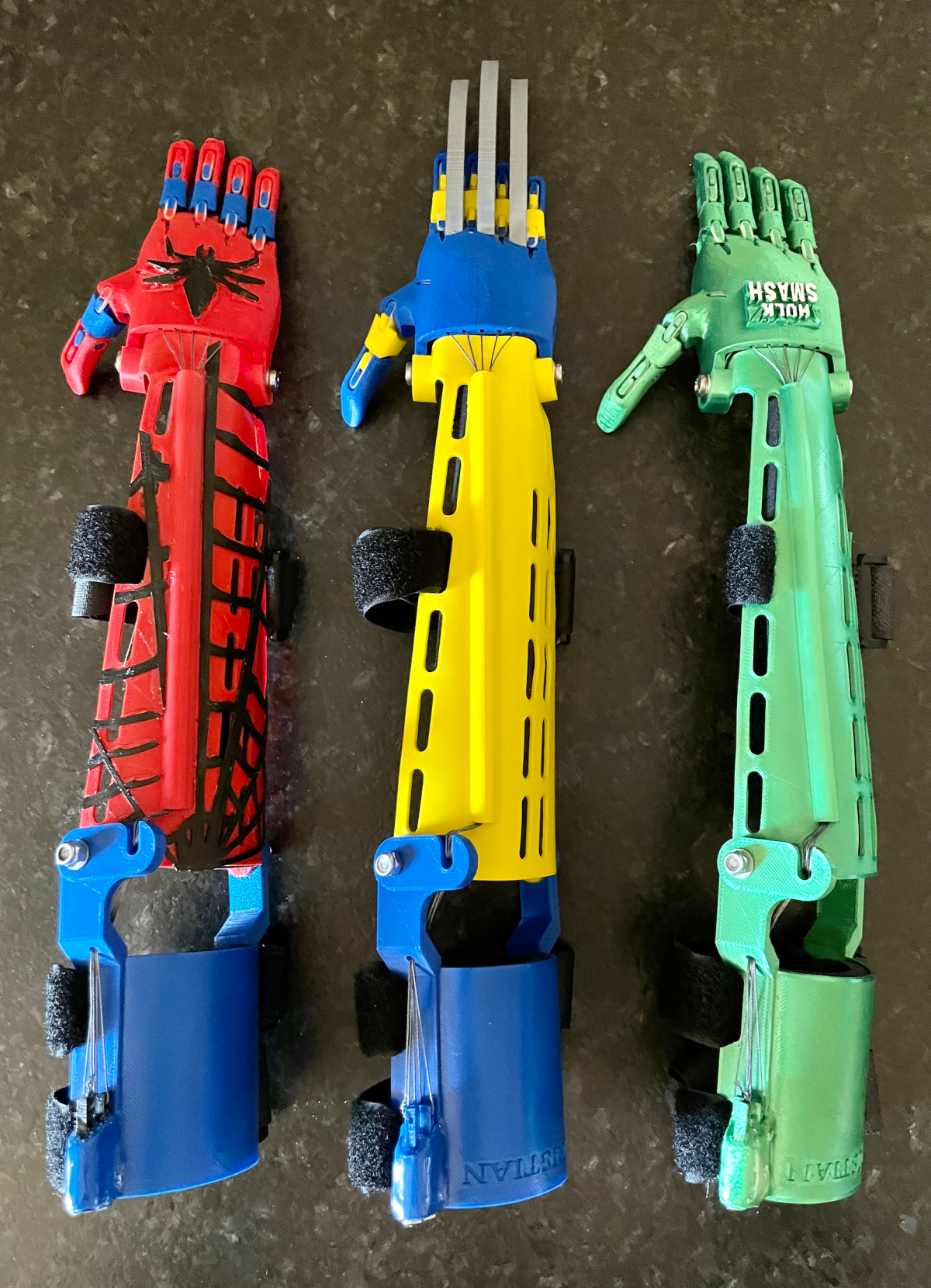
Be a part of the humanitarian effort and teach students how to create a fully functioning 3D printed prosthetic arm for a client in need. This lesson walks you through the process in a slideshow
Featured
Sphero Rocket Payload Mission
Grades:
9th Grade, 10th Grade, 11th Grade, 12th Grade
This lesson uses Sphero's "Rocket Payload" activity with the Outer Space Mat. The full lesson includes information on rocket payload, a Sphero coding challenge, a NASA link to read, optional questions
Grades:
3rd Grade, 4th Grade
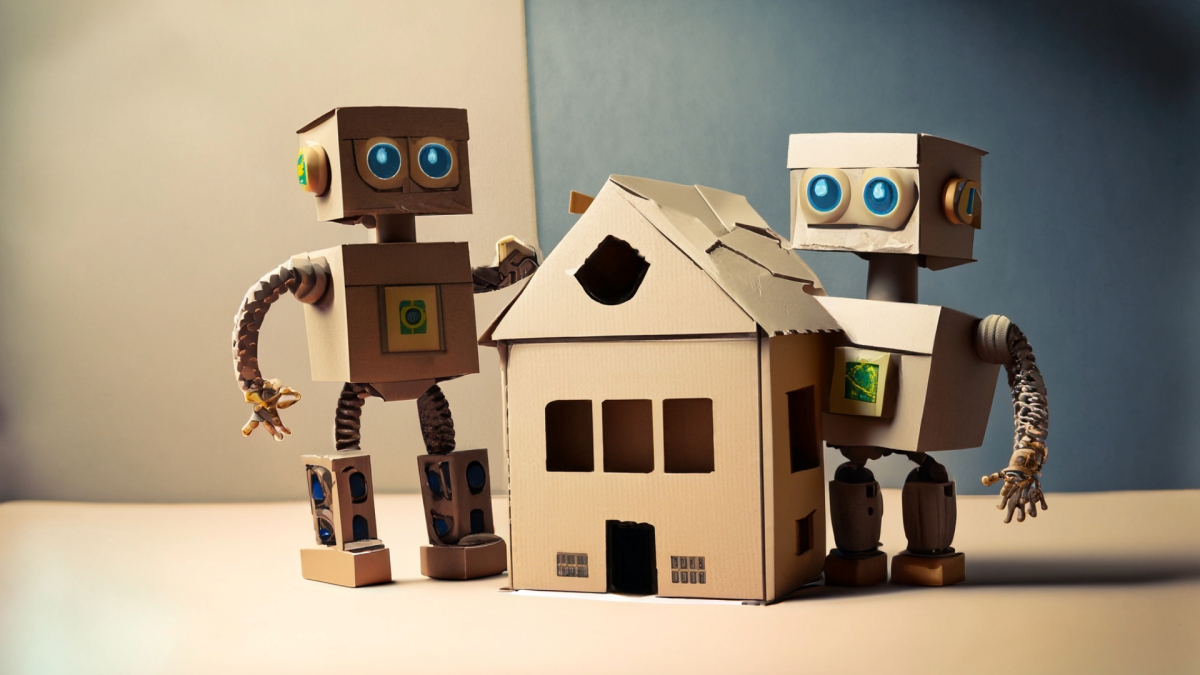
Encouraging students, from a young age, to think about their interests, dreams and goals lets them see possibilities for the future. As students listen to their thoughts and put those thoughts into
Grades:
Kindergarten
Students will practice reading sight words using Sphero Indi coding paths. Students will design and then create a path for Indi to follow. They will be given a set of sight words and will lay one
Grades:
Kindergarten, 1st Grade
In this lesson, students will practice “counting on” from any given number using Sphero Indi coding paths. Students will create a path made of at least 4 or more tiles for Indi to follow. They will be

Grades:
3rd Grade
This third-grade STEM lesson introduces students to solar energy, the heat island effect, and data analysis. Students will use temperature gauges to measure different areas of the school at various
Grades:
1st Grade, 2nd Grade, 3rd Grade
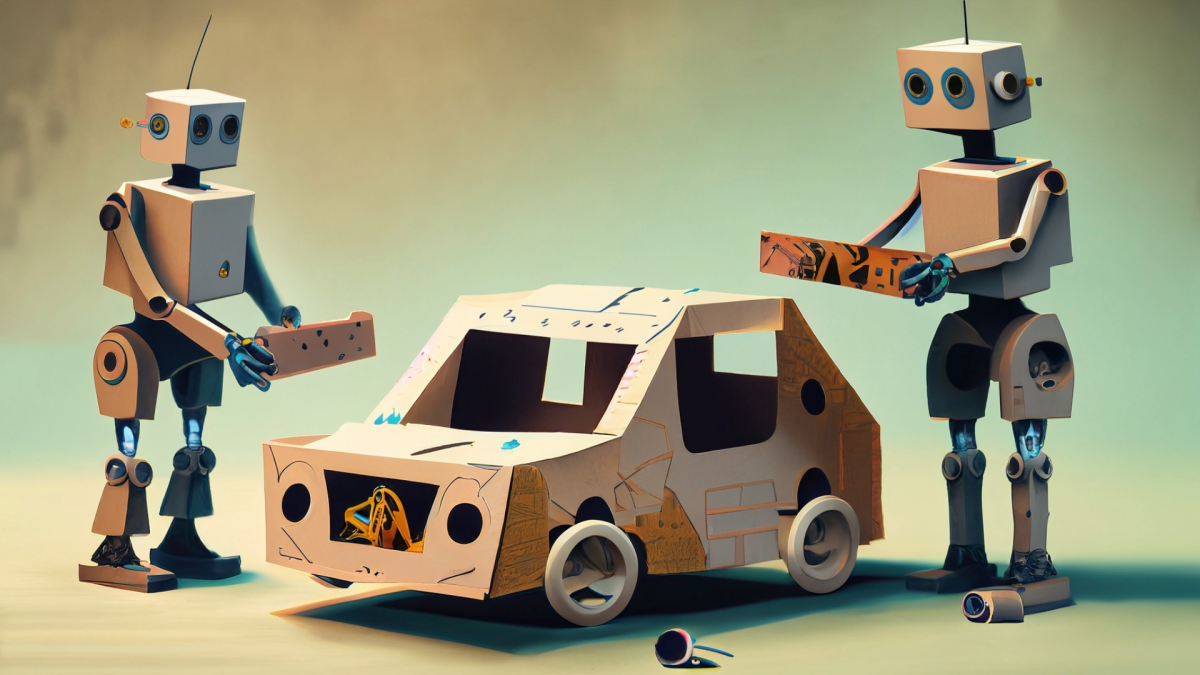
In this lesson, students design, build and test model candy cars made from simple materials. They measure the changes in distance and travel by the addition of revision of design features. Students
Grades:
4th Grade, 5th Grade, 6th Grade, 7th Grade, 8th Grade, 9th Grade, 10th Grade, 11th Grade, 12th Grade
The Micro:bit prototyping academy is designed to teach students the basic commands and features in order to innovate their own device. They will learn the input commands, variables and conditional

Grades:
4th Grade, 5th Grade, 6th Grade, 7th Grade, 8th Grade, 9th Grade, 10th Grade, 11th Grade, 12th Grade
Learn how to train your own Artificial Intelligence neural network without the complexities of coding. Google's (free) Teachable Machine is a web-based tool that makes it easy to train your computer
Grades:
3rd Grade, 4th Grade
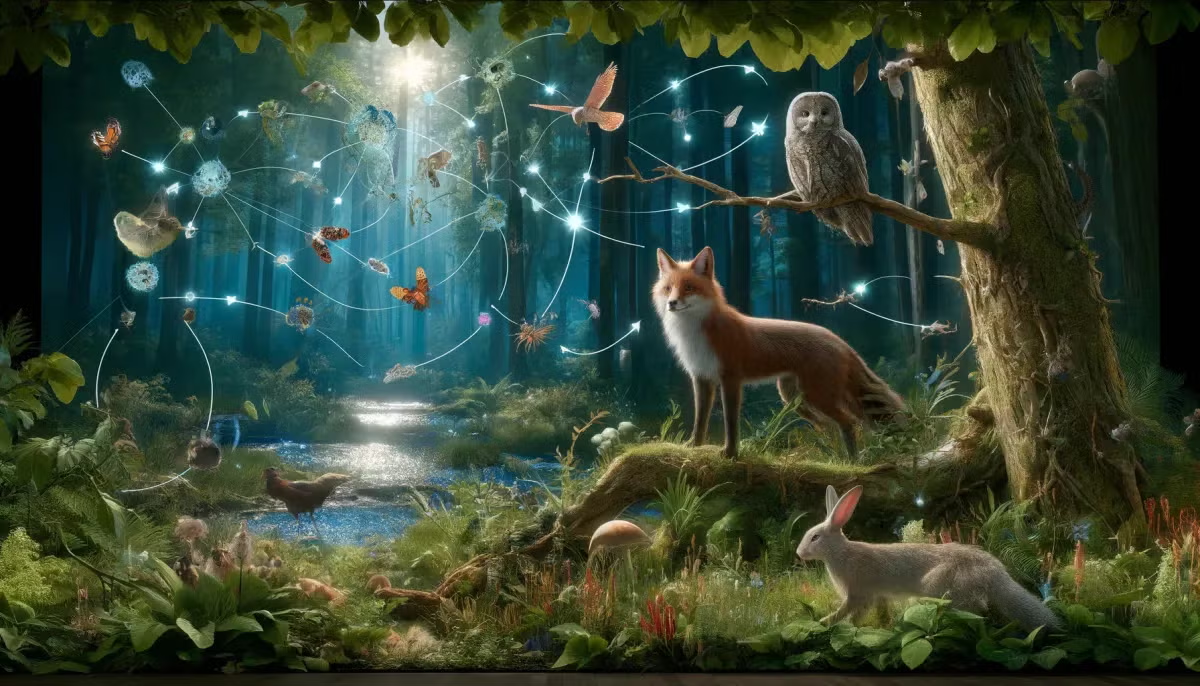
In this lesson, 3rd and 4th-grade students will explore the life cycles of various animals using technology to enhance their understanding. Students will research the stages of an animal's life cycle
Grades:
Kindergarten, 1st Grade, 2nd Grade
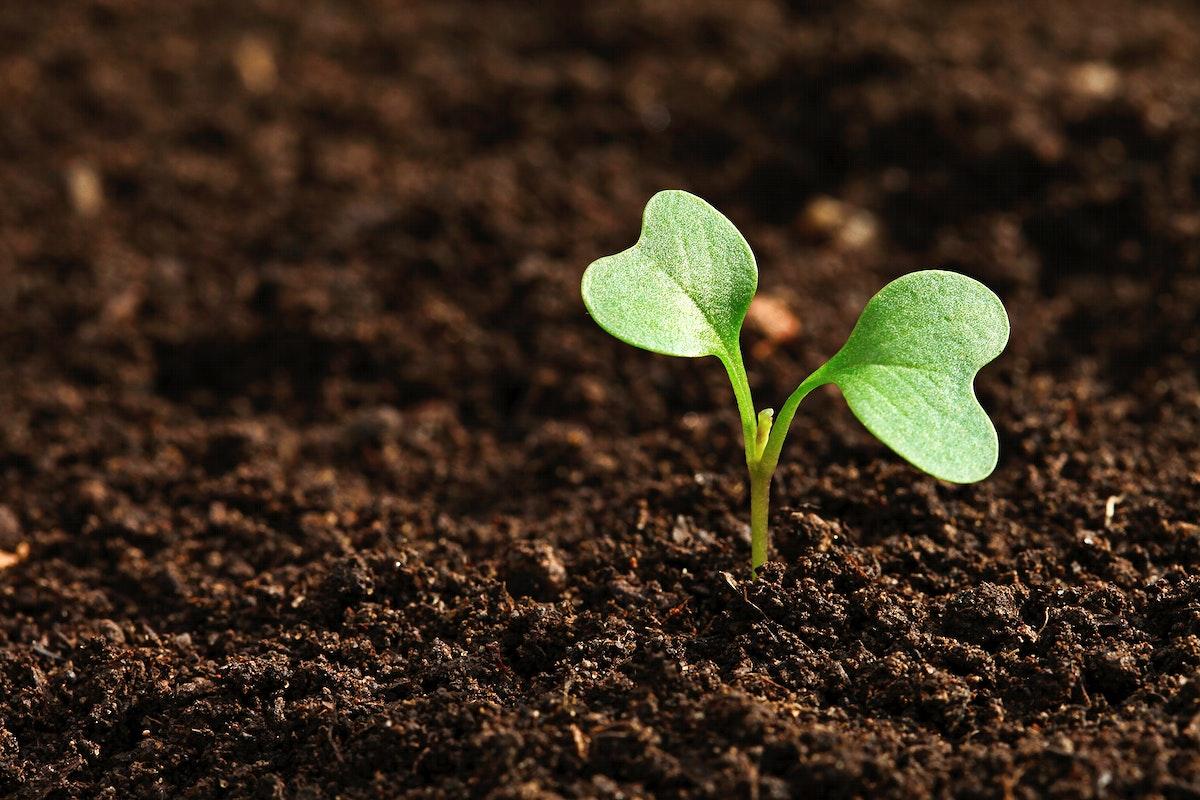
In this lesson, K-2 students will plant seeds and use technology to track the growth of their plants. Through hands-on activities and observation, students will learn about the basic needs of plants
Grades:
3rd Grade, 4th Grade
In this 60-minute lesson, students will explore and analyze weather patterns using technology. They will use computers or tablets to access weather websites and apps, collect and record weather data
Grades:
6th Grade, 7th Grade, 8th Grade
In this lesson, students learn to record, display, and convert temperature data from Celsius to Fahrenheit using the BBC micro:bit onboard temperature sensor.

Grades:
9th Grade, 10th Grade, 11th Grade, 12th Grade
This lesson builds on student understanding of what how box plots summarize data sets and develops student knowledge of how to compare two sets of data using box plots and their five number summaries