
Grades:
8th Grade
Students will be extracting DNA from strawberries to help them understand DNA and its role in heredity and inheritance. Students will also practice math skills and compare data.
Grades:
6th Grade, 7th Grade, 8th Grade
This is a 4-day unit on what forensic scientists do. Students will first conduct research on what a forensic scientist does and participate in extracting DNA. Then students will participate in a

Grades:
4th Grade, 5th Grade
In this cross grade, multi-curricular three lesson mini-unit students will identify each part of a flower and its function as well as the necessities plants need to thrive. Students will observe the
Grades:
6th Grade, 7th Grade, 8th Grade
Explore genetic diversity and conservation with a hands-on activity simulating the bottleneck effect using black-footed ferrets as a case study. This lesson is Ideal for grades 6 and up.
Grades:
3rd Grade, 4th Grade
In this lesson, 3rd and 4th-grade students will explore the life cycles of various animals using technology to enhance their understanding. Students will research the stages of an animal's life cycle
Grades:
8th Grade
Students will review heredity and genetics using this lesson plan. Students will have an opportunity to explore generations, genetic variations, pedigrees and fitness using this lesson plan and PhET

Grades:
Kindergarten, 1st Grade, 2nd Grade, 3rd Grade, 4th Grade, 5th Grade, 6th Grade, 7th Grade, 8th Grade
Most students are likely familiar with popular films like Happy Feet, Surf’s Up, Penguins of Madagascar, and classic books like Mr. Popper's Penguins. Capitalizing on this familiarity with penguins
Grades:
8th Grade
Students will learn about DNA base pairs. As a team they will send a student to read a sequence of DNA/RNA and will have their group duplicate or sequence the complimentary base pair. Students will
Grades:
4th Grade, 5th Grade
In this lesson, we will learn about different methods for growing potatoes, as the pioneer farmers would have needed to test during the time of the settlers in the United States and Westward Expansion
Grades:
7th Grade, 8th Grade, 9th Grade, 10th Grade, 11th Grade
This is a lesson that can be taught in 5 days or one week. The lesson was put together in collaboration with the Smithsonian Science Education Center. It talks about global goals (one of which is food
Grades:
7th Grade, 8th Grade, 9th Grade, 10th Grade, 11th Grade, 12th Grade
Want to incorporate the Arts into your 7-12 STEM classroom? The Global Science Opera provides a way to do just that! Learn how to facilitate a STEAM collaboration with arts teachers to make it happen.
Grades:
4th Grade
In this lesson, the students will list various kinds of animal adaptations. Demonstrate an understanding of how an animal's adaptations help it to live in its particular environment. Recognize typical
Grades:
Kindergarten, 1st Grade, 2nd Grade, 3rd Grade, 4th Grade, 5th Grade
This hands-on lesson introduces students to gardening and the sustainability of food. Students will grow small gardens and manage them.
Grades:
8th Grade
In this fun and engaging lesson, students will use the ASU Monster Maker Game for a fun project that assesses students on dominant and recessive alleles, genotype, phenotype, Punnett Squares, and

Grades:
4th Grade, 5th Grade
Using my backyard chickens as inspiration, this 5th grade lesson asks children to graph egg production and build a model of a chicken coop and run.
Grades:
7th Grade, 8th Grade, 9th Grade, 10th Grade
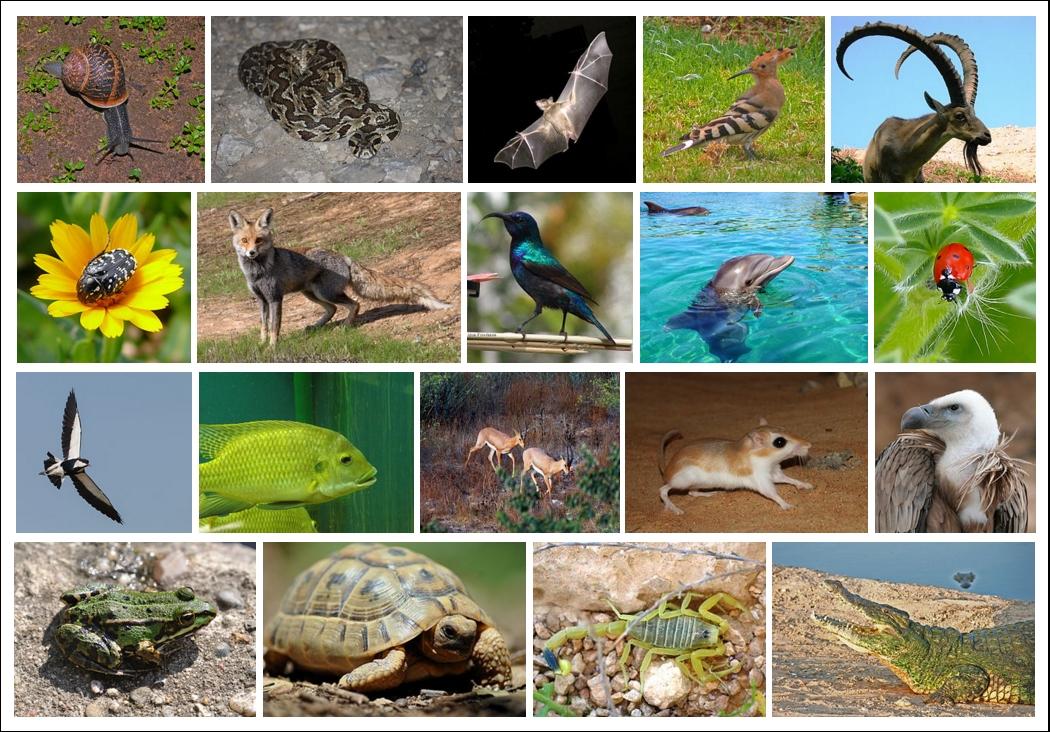
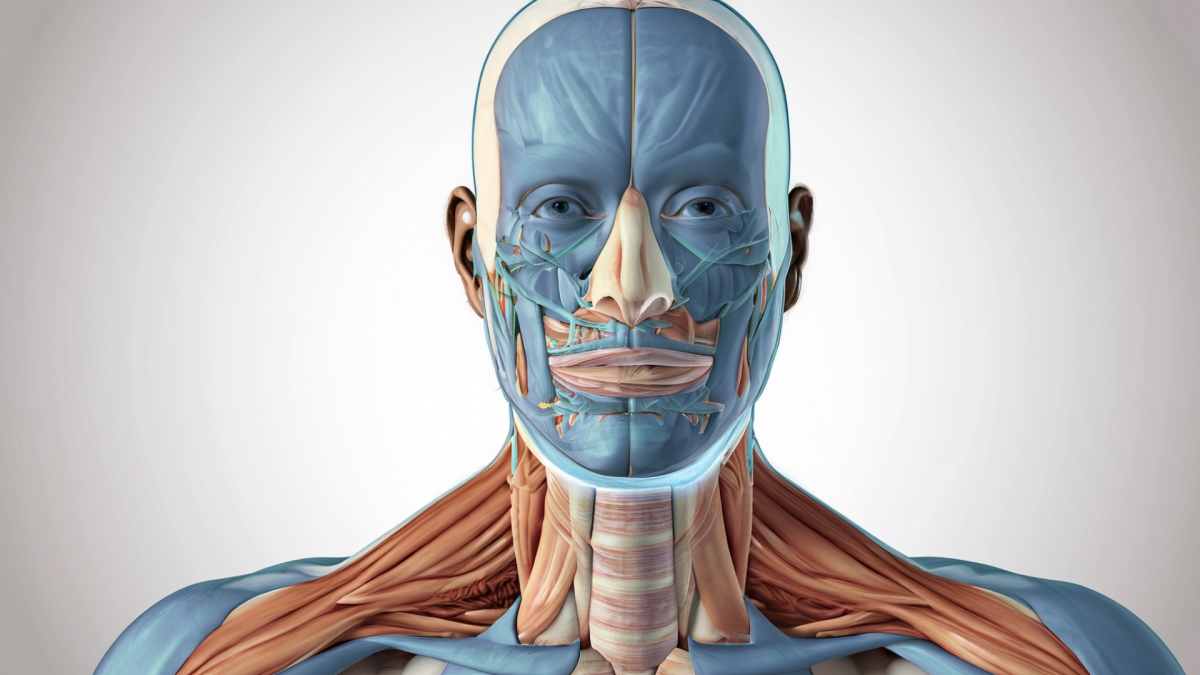
This project sets students up to explore animal anatomy and physiology with the idea of replacing a lost appendage (beak, leg, tail, fin, etc.) This is used in small groups of 2 or 3 over the course
Grades:
5th Grade, 6th Grade, 7th Grade, 8th Grade
The lesson plan goes beyond the conventional boundaries of art and science, highlighting the interdisciplinary nature of these fields. Students will discover the synergies between art (A) and STEM
Grades:
6th Grade, 7th Grade, 8th Grade
This is part 2 of a two-part series focused on the effects of grafting tomato plants to potato root stock in order to create "pomato" plants. This lesson is written for junior high students but can be
Grades:
8th Grade
In this lesson students will use everything they've done in parts 1-3 to analyze how mutations affect proteins. Students will build the mutated proteins that they sequenced in part 3. They will test
Grades:
8th Grade
In this lesson, students will be introduced to mutations in DNA. They will create beaded or illustrated "codes" to represent 5 different mutations to their original protein codes. These codes will be
Grades:
8th Grade
In this lesson students will continue to learn about protein synthesis. At the beginning of this lesson students should know that genes have the code to make proteins. Today they will be introduced to
Grades:
8th Grade
In this lesson students are introduced to the idea that DNA is the code to create proteins and that proteins can be structural or functional. Students are given a problem to create a model of a
Grades:
8th Grade
This lesson is designed around competition. Competition is a driving force behind natural selection. If something can survive to reproduce, the traits are passed on. Students will be completing
Grades:
6th Grade, 7th Grade, 8th Grade
This is a junior high lesson on plant grafting that can be done in a classroom setting or with an after-school club such as botany. This lesson can be easily modified for any grade level. In this