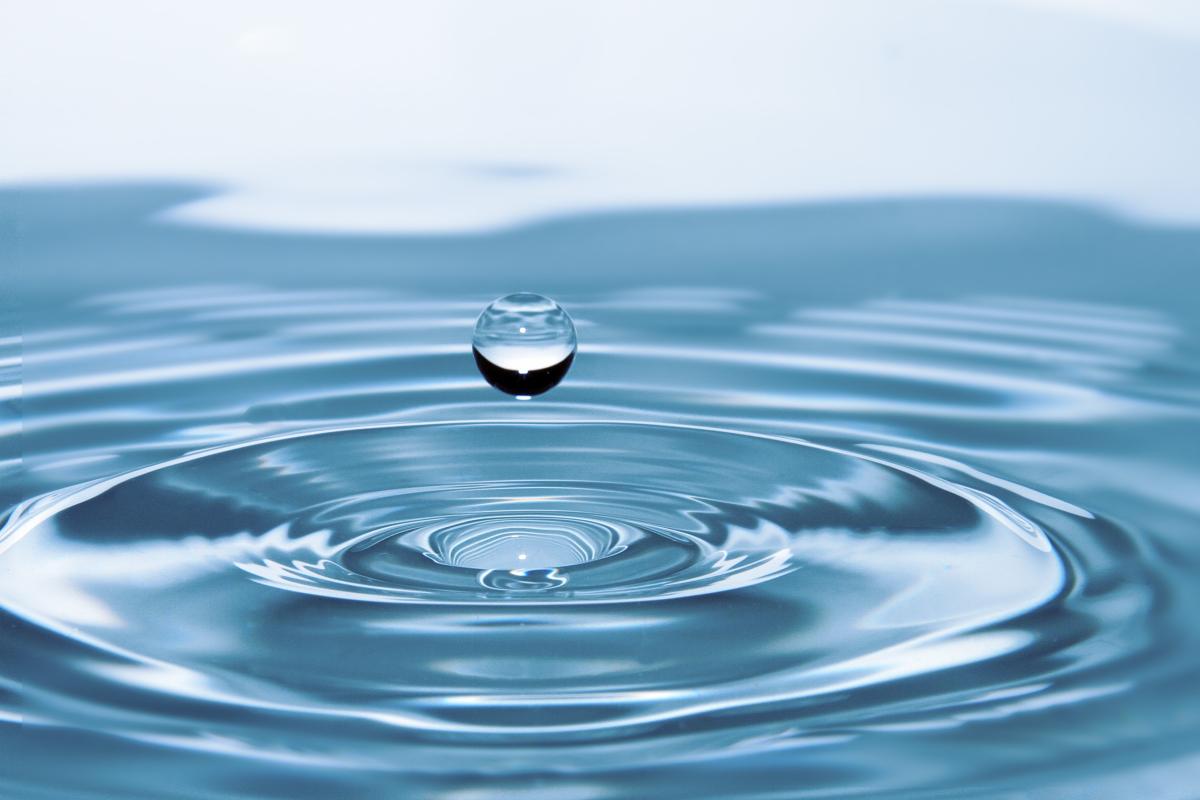
Students will come up with and perform an investigation for the phenomenon that dropping a rock into a puddle makes a different reaction than throwing it. Students will drop a ball into a cup or
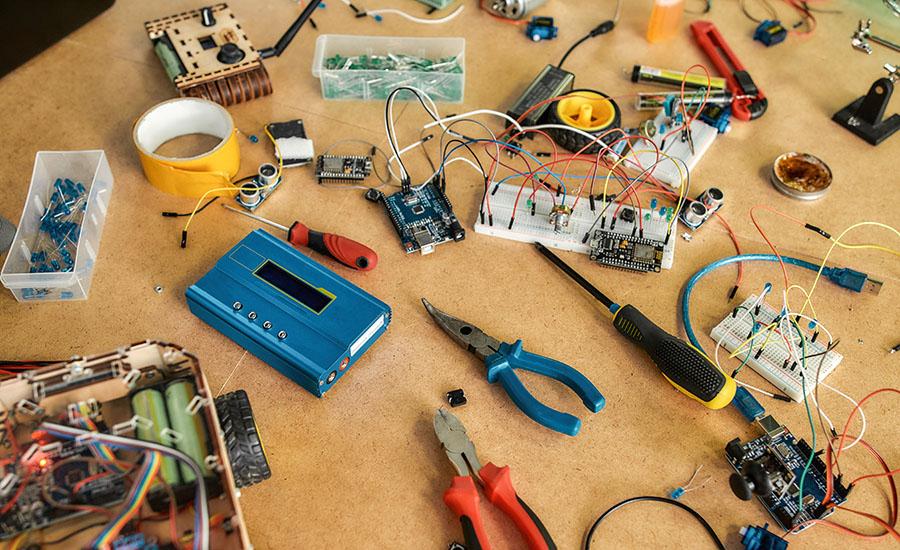
A lesson designed for an engineering course but that can be used in a science course where we investigate the physics of waves and how it can be applied to the world of art. Students will design and
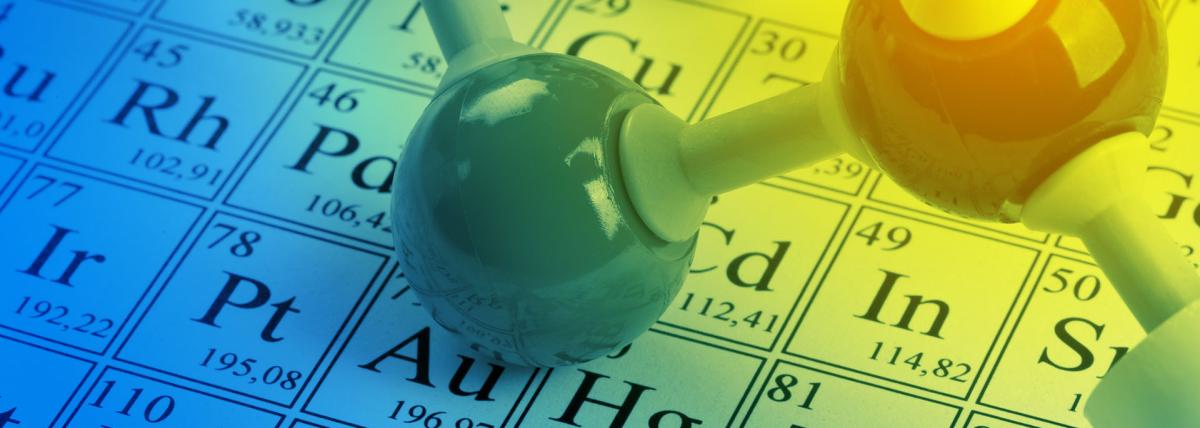
This set of lessons allows students to model the structure of an atom and use this to define trends on the Periodic Table and characteristics within groups. In addition, students can relate the
In this activity, students will work together to discuss what they know about frogs and what a frog's tongue is like. Students will be engineering a frog's tongue and discussing it's adaptations.
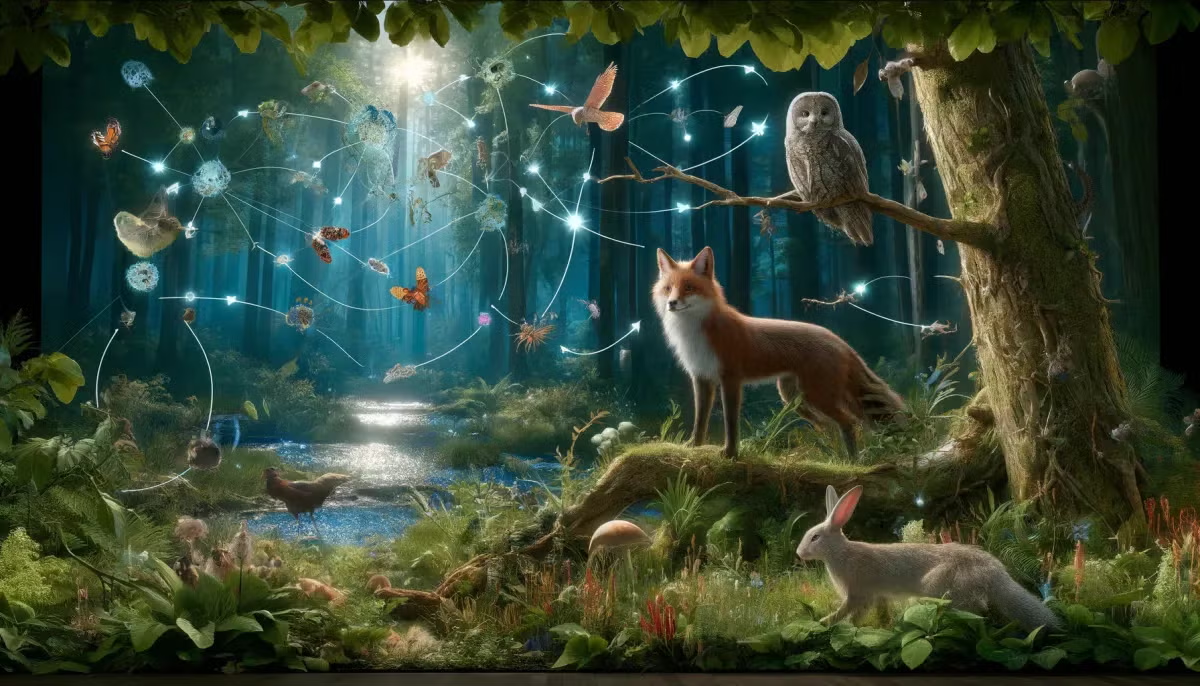
Students discover how plants and soils interact by observing root growth, considering the function of a plant’s roots, modeling the movement of water into the roots, and investigating the movement of
This lesson introduces a phenomenon to start a unit on the properties of matter. Students will plan and carry out a investigation of an unknown mixture and collect data. In doing so, they will begin
Button makers are great additions in the classroom! But first, students should learn the history of buttons, about the button machine and how to operate it. Challenge cards provided inspire students
Students will learn about the engineering design process by working in small groups to identify a problem, then design and create a solution, inspired by the main character's creativity and problem
This lesson helps engage student voice in developing stronger research questions and projects on topics about which they are interested, curious, and passionate. The Question Formulation Technique