
Grades:
9th Grade, 10th Grade, 11th Grade, 12th Grade
Multi-week cross-curricular project combining STEM, cultural studies, history, and ELA, culminating in cultural exchange, podcast style reflections, photo/video sharing/storytelling, and an experience
Grades:
6th Grade
This lesson uses taste-testing as a way to introduce and practice science and math practices, including observing, recording, predicting, writing a claim with evidence and reasoning. I have used it
Grades:
6th Grade, 7th Grade, 8th Grade
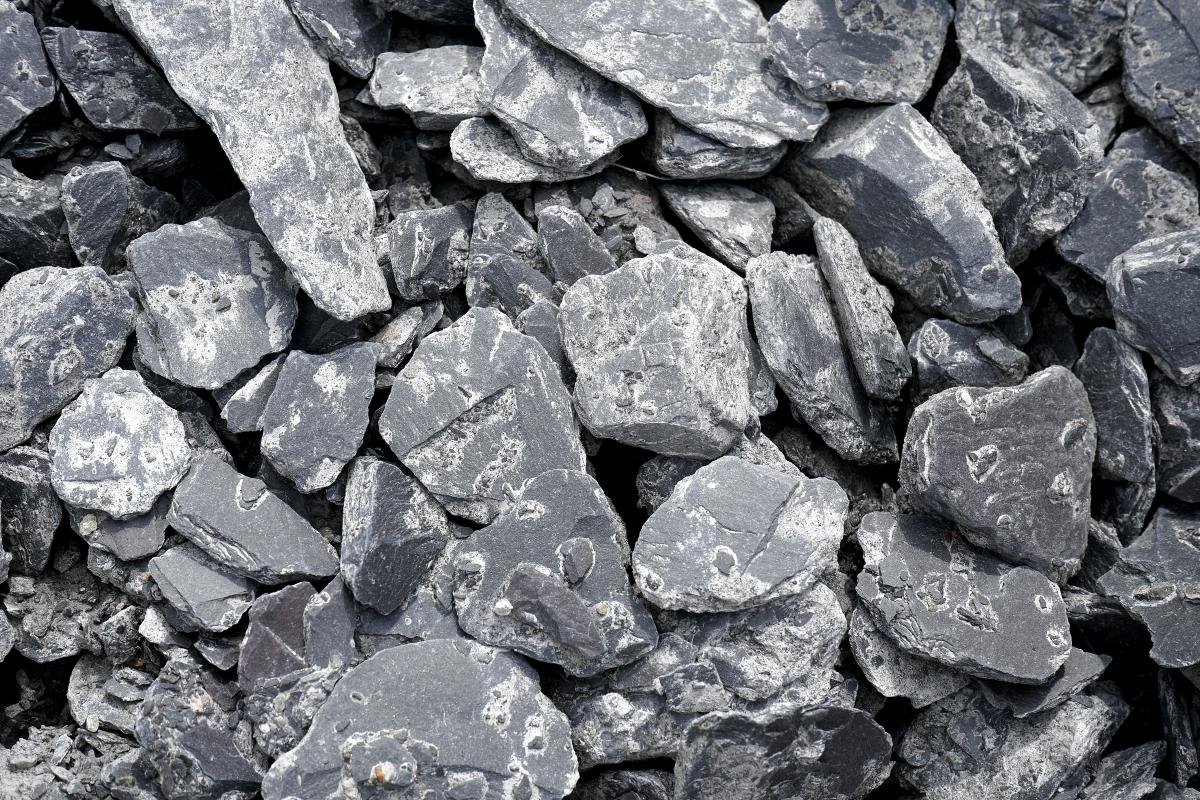
In this lesson, students learn about sediment classifications and develop a model for how sediments are sorted during deposition. Armed with this knowledge, students then gather dirt with favorable
Grades:
7th Grade, 8th Grade, 9th Grade, 10th Grade, 11th Grade, 12th Grade
Students will make a concrete mixture from sand and white glue. This entails a civil engineering lesson on strengthening soils in order to prevent structures from collapsing. Students will create a

Grades:
11th Grade
This includes my whole unit of a four week lesson on the Universe. I was quite fascinated with the amount of resources available for us from NASA and ESA to help teachers in keeping the students
Grades:
11th Grade, 12th Grade
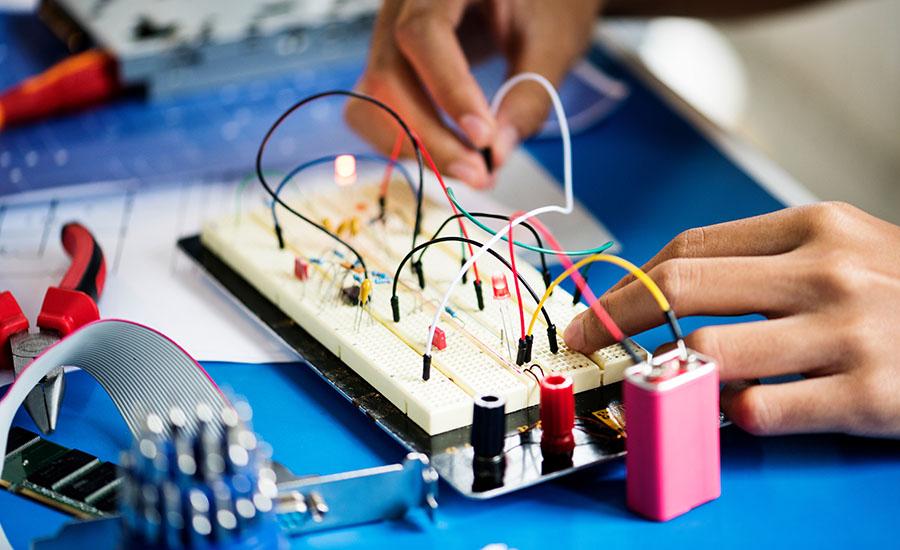
In this high school chemistry lesson, students will explore and compare different types of batteries, including lithium-ion, zinc-air/copper-zinc, and sustainable alternatives. Through guided research
Grades:
6th Grade, 7th Grade, 8th Grade
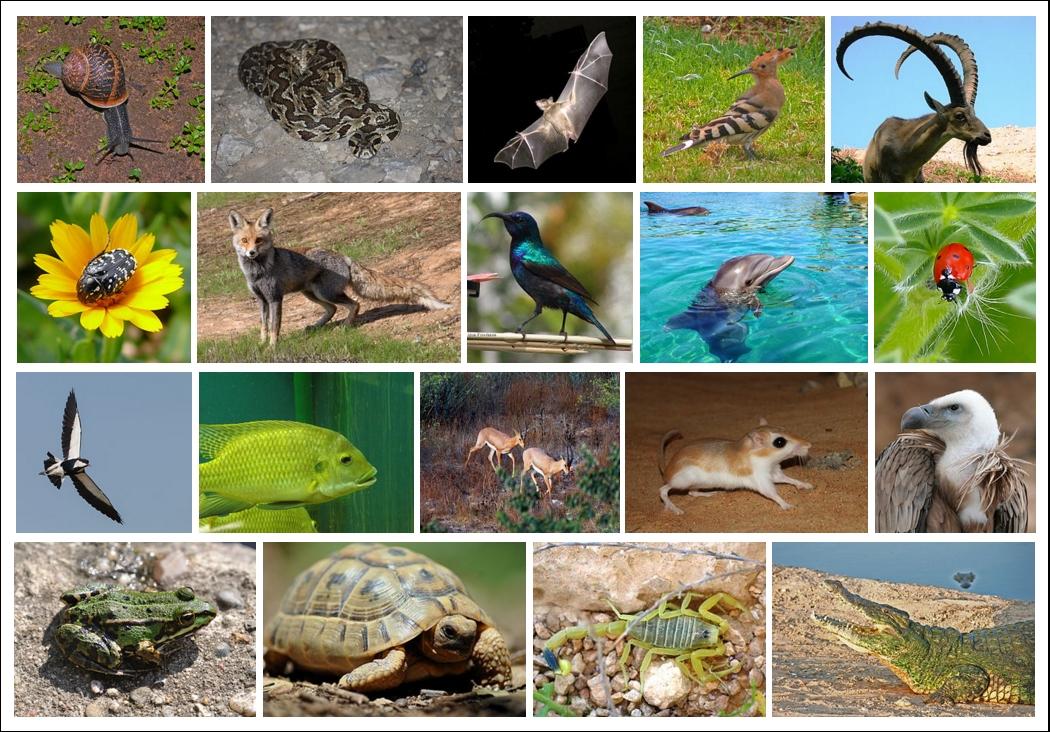
In this lesson, students will learn about biomimicry—the design and production of materials, structures, and systems modeled on biological entities and processes. Students will explore examples of
Grades:
9th Grade, 10th Grade, 11th Grade, 12th Grade
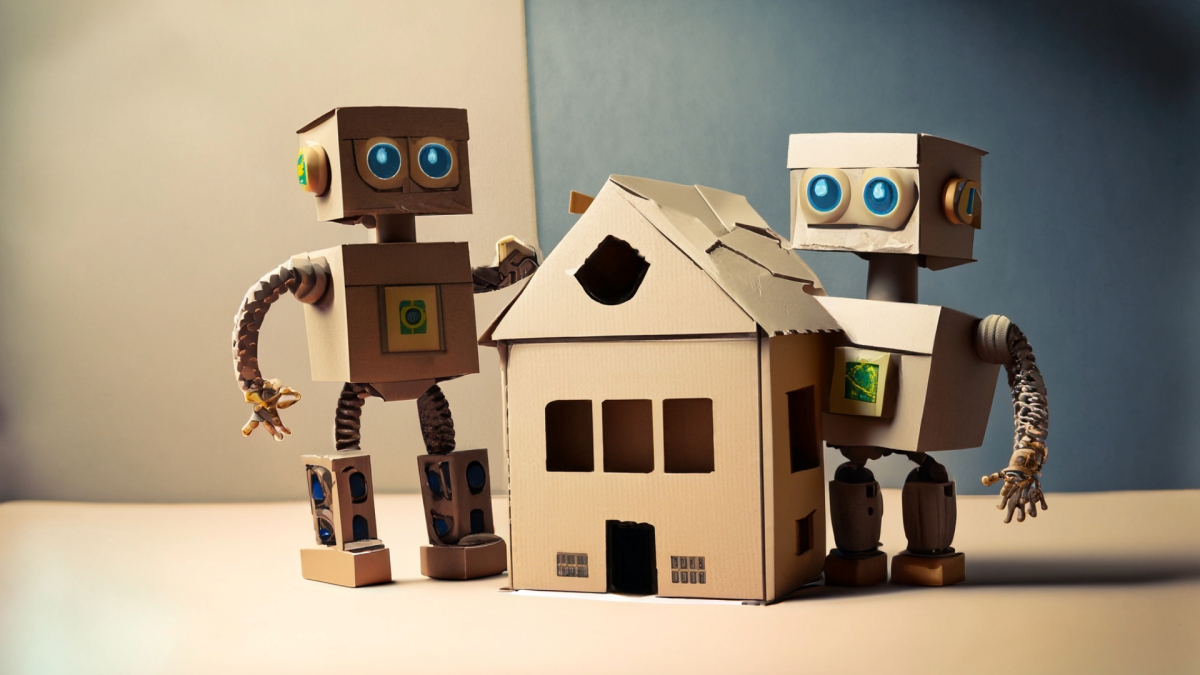
In this hands-on forensic science project, students will step into the role of arson investigators by designing and constructing a two-story model home complete with interior walls, furniture, stairs

Featured
Makey Makey Storyboards
Grades:
Kindergarten, 1st Grade, 2nd Grade, 3rd Grade, 4th Grade, 5th Grade, 6th Grade, 7th Grade, 8th Grade, 9th Grade, 10th Grade, 11th Grade, 12th Grade
This lesson takes students through the process of creating an interactive storyboard using a Makey Makey circuit board. This lesson can be adjusted for any grade level with examples given in the 4th
Grades:
6th Grade, 7th Grade, 8th Grade, 9th Grade, 10th Grade, 11th Grade, 12th Grade
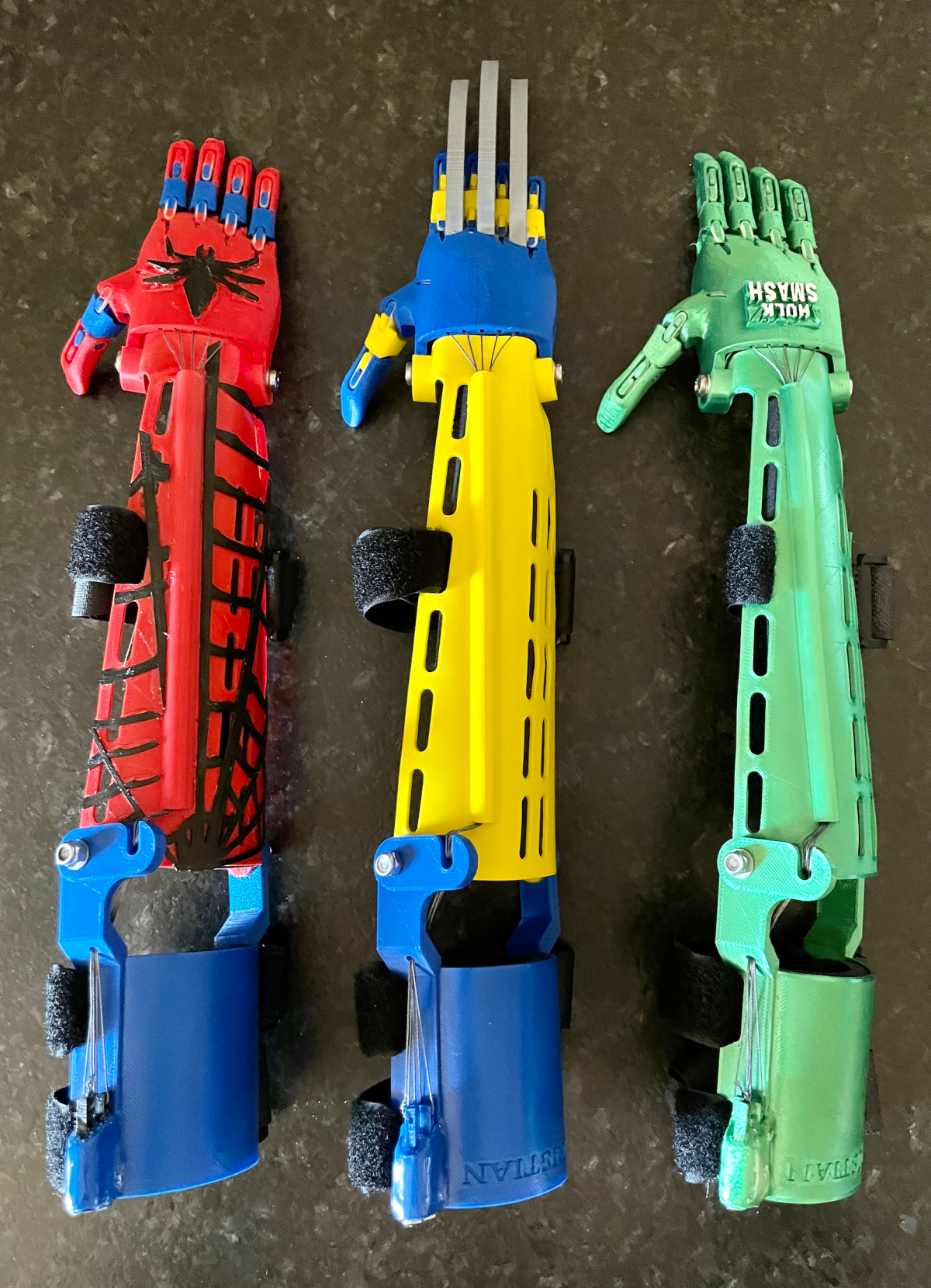
Be a part of the humanitarian effort and teach students how to create a fully functioning 3D printed prosthetic arm for a client in need. This lesson walks you through the process in a slideshow
Grades:
3rd Grade, 4th Grade
In this unit, students will identify what a shelter is and why we need it. Students will identify the different types of shelters and materials needed depending on climate and their surroundings
Grades:
4th Grade, 5th Grade, 6th Grade, 7th Grade, 8th Grade, 9th Grade, 10th Grade, 11th Grade, 12th Grade
The Micro:bit prototyping academy is designed to teach students the basic commands and features in order to innovate their own device. They will learn the input commands, variables and conditional
Grades:
2nd Grade
In this lesson students use non-standard units of measurements to measure various objects and graph the length of each object. Students realize that by not using a standard unit of measurement, their
Grades:
5th Grade
"Baozi" (steamed bun) is a traditional Chinese food commonly eaten as a breakfast or snack. It consists of a soft, fluffy dough filled with a variety of savory or sweet fillings. Popular fillings
Grades:
8th Grade
Students will begin looking at how substances are made up of elements and use a model to show how atoms can arrange to make substances and then rearrange to make other substances. Students start by
Grades:
9th Grade, 10th Grade, 11th Grade, 12th Grade
The purpose of this activity is to teach students about electrical energy generation in Arizona and the science behind electrical energy generation including radioactive decay and nuclear energy.
Grades:
2nd Grade
This lesson will allow students to review their understanding of physical and chemical properties and emphasize the difference between physical and chemical changes as well as deepen their
Grades:
5th Grade
In these lessons, you will be discussing a real phenomenon that has happened from the book Healer of the Water Monster by Brian Young. You will be reading a chapter book to discuss radioactive

Grades:
6th Grade, 7th Grade, 8th Grade, 9th Grade, 10th Grade, 11th Grade, 12th Grade
Are your students fans of Formula 1? If they are or aren't this lesson will take a look into the dominance of Red Bull Racing in Formula 1. Why is Red Bull so dominant? Is it the driver or the
Grades:
9th Grade, 10th Grade, 11th Grade, 12th Grade
Students will work in small groups to create a water filtration system to demonstrate understanding of water purification systems and human influences.
Grades:
3rd Grade, 4th Grade, 5th Grade, 6th Grade, 7th Grade, 8th Grade, 9th Grade
An overall view of mining, minerals, and their role in our everyday life. This lesson compares the past, present and future of mining and it's relativity to sustaining our way of life.
Grades:
5th Grade, 6th Grade, 7th Grade, 8th Grade
Students will use Circuit Playground Express and create a DIY Burglar Alarm

Grades:
5th Grade
This 5th grade lesson incorporates Mad Lib, micro:bits and learning how to code on Makecode.org. This lesson is teacher directed to walk students to add variables and text value. Students will use

Grades:
4th Grade, 5th Grade
This lesson on nanotechnology for 4th and 5th graders introduces students to the concept of scale by exploring the incredibly small measurements used in nanotechnology. Through engaging activities