Grades:
6th Grade
Students will become solar engineers, using science and math to turn a simple pizza box into a functional, heat-trapping oven. They will use their knowledge of energy transfer and the Engineering
Grades:
3rd Grade
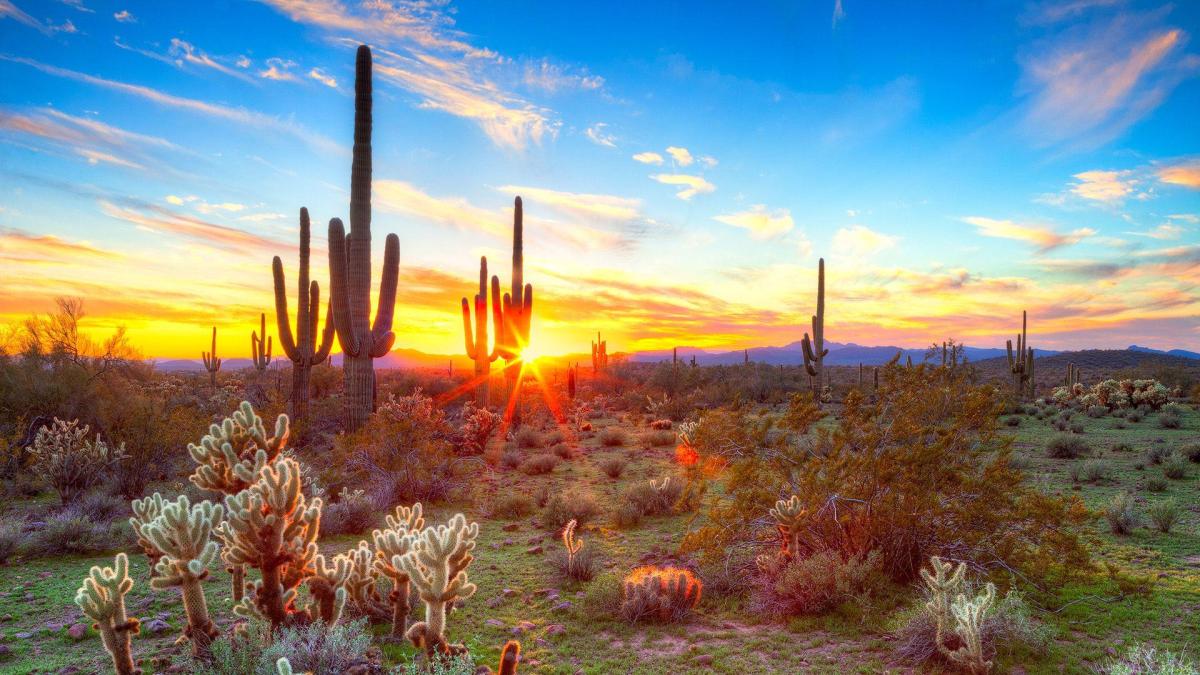
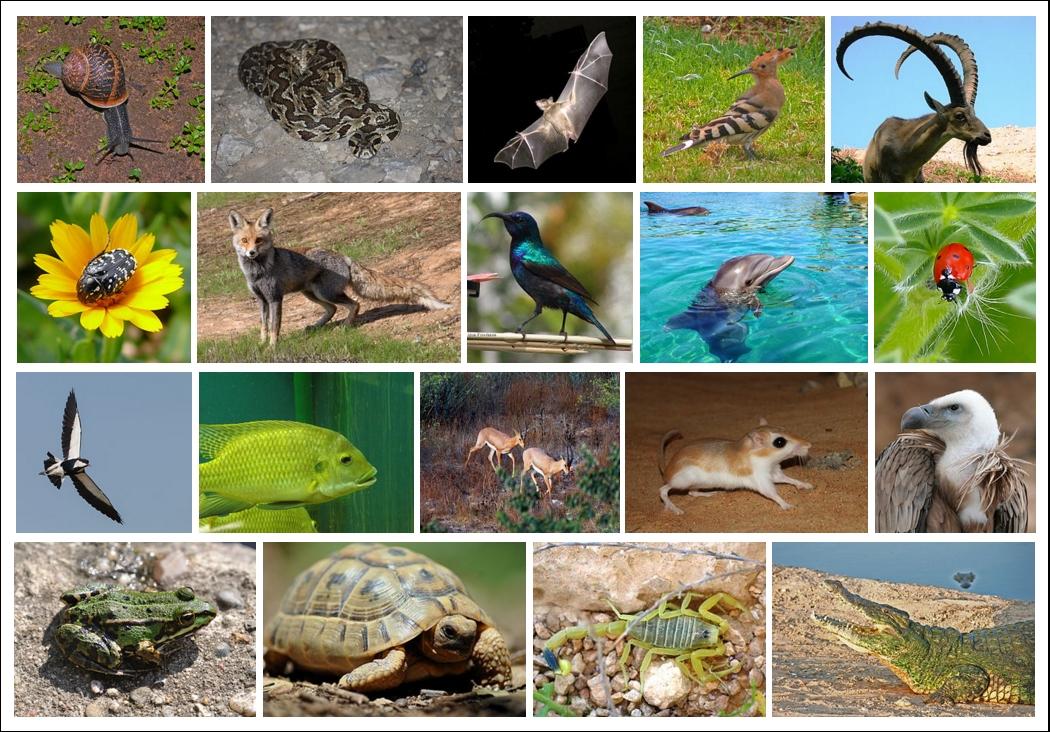
Students research Sonoran Desert animal adaptations and then combine them to form an animal that would thrive in our unique environment.
Grades:
6th Grade, 7th Grade, 8th Grade
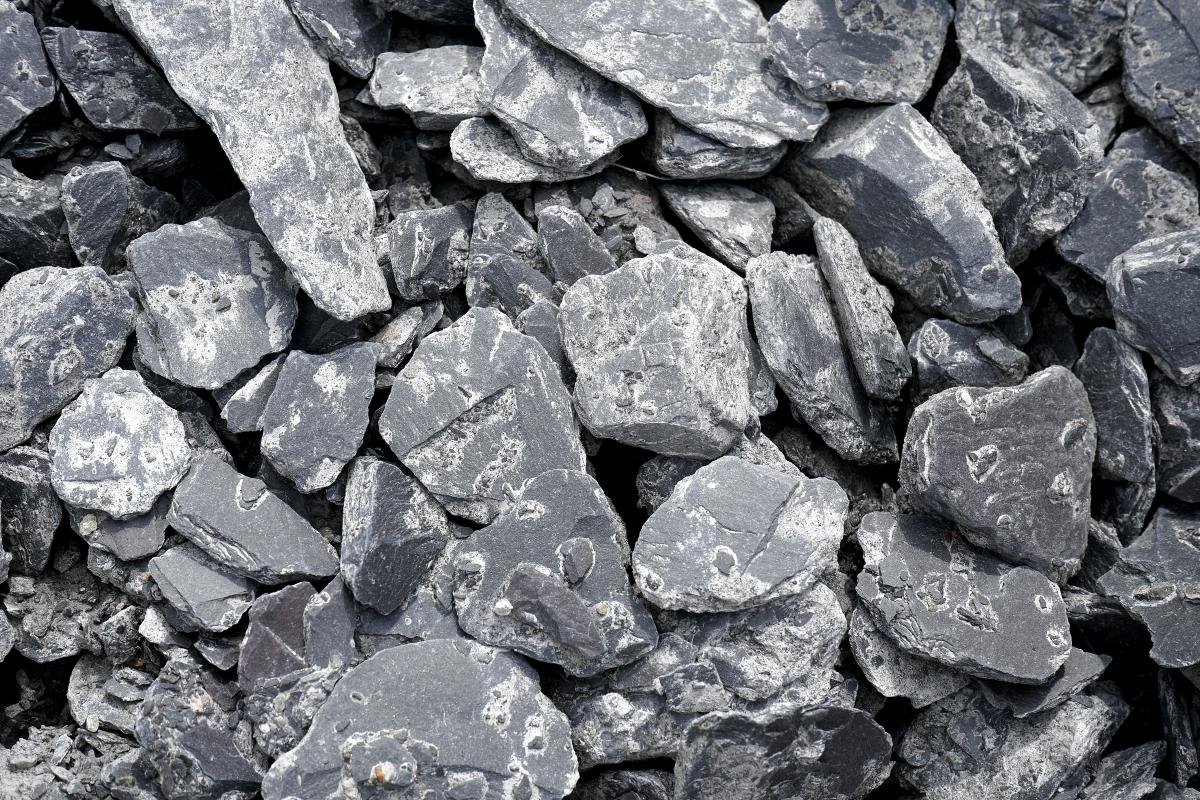
In this lesson, students learn about sediment classifications and develop a model for how sediments are sorted during deposition. Armed with this knowledge, students then gather dirt with favorable
Grades:
9th Grade, 10th Grade, 11th Grade, 12th Grade
Students will use leaf disks punched out of spinach leaves and a syringe to demonstrate the production of oxygen to determine the rate of photosynthesis. Once an initial rate is determined, students
Grades:
6th Grade
In this 6th grade STEM lesson, students explore the real-world challenges of renewable energy by designing and testing simple solar oven and wind turbine models. Working collaboratively, they will
Grades:
1st Grade, 2nd Grade, 3rd Grade, 4th Grade
In this lesson, students will learn how insects build sustainable homes and model the insect homes to design a settlement on Mars using the concept of biomimicry. In this lesson, the students will

Grades:
11th Grade
This includes my whole unit of a four week lesson on the Universe. I was quite fascinated with the amount of resources available for us from NASA and ESA to help teachers in keeping the students
Grades:
6th Grade, 7th Grade, 8th Grade
In this lesson, students will engage in a hands-on STEM project where they design and construct a model city made from Legos that is powered by renewable solar energy. Using the engineering design
Grades:
6th Grade
Students explore the heat island effect by investigating surface temperatures around their school grounds. They will utilize various technology to conduct the investigation, as well as collect and
Grades:
3rd Grade
This lesson plan gives students the opportunity to create a floodplain with model houses and a floodplain. Students must also identify text features, the main idea and cause/effect when determining

Grades:
9th Grade, 10th Grade
Students use an engaging virtual simulation and data sets to determine the composition of our Sun.
Grades:
6th Grade, 7th Grade, 8th Grade
Students will learn the flavors and ratios that make up a popular soda! This engaging activity will have your students practicing math skills in a hands-on way!
Grades:
6th Grade, 7th Grade, 8th Grade
In this lesson, students will learn about biomimicry—the design and production of materials, structures, and systems modeled on biological entities and processes. Students will explore examples of
Grades:
4th Grade
In this 4th-grade STEM lesson, students explore environmental sustainability through the book One Plastic Bag by Miranda Paul. Inspired by the true story of Isatou Ceesay, students learn how
Grades:
6th Grade
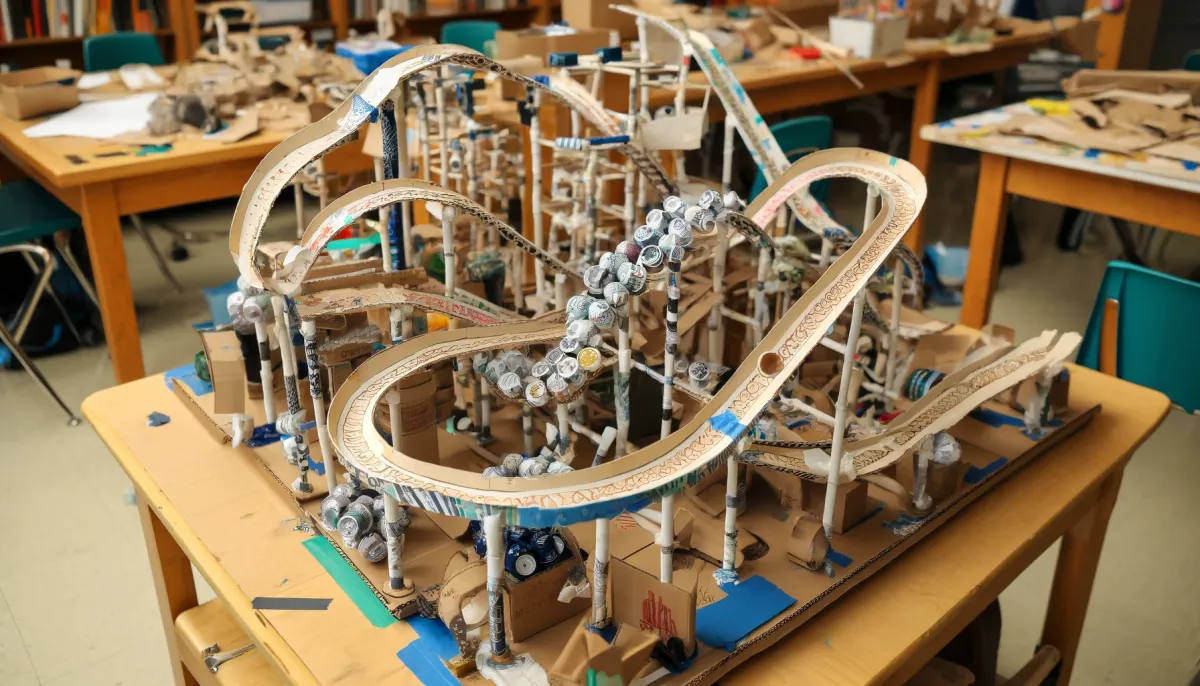
Students will learn about potential and kinetic energy and how it relates to real life situations. They will move through a "Skate Park" simulation. In teams they will engage in the engineering design
Grades:
9th Grade, 10th Grade, 11th Grade, 12th Grade
In this lesson, students explore how scientists identify bacteria by analyzing the 16S ribosomal RNA gene. Through hands-on activities and bioinformatics tools, students learn the process of
Grades:
Kindergarten
In this water science investigation, kindergarten students learn about the many ways water is used and why it is so important. Students will create a rain gauge to measure how much it rains.
Grades:
5th Grade
In this STEAM-integrated lesson, students explore how sound travels in waves by building a laser-based oscilloscope using a vibrating surface and mirror. They visually capture sound vibrations by
Grades:
6th Grade
In this hands-on STEM lesson, students explore the science of constellations through a cultural lens by creating their own star patterns using black construction paper, gold star stickers, and yarn
Grades:
6th Grade, 7th Grade, 8th Grade
Explore genetic diversity and conservation with a hands-on activity simulating the bottleneck effect using black-footed ferrets as a case study. This lesson is Ideal for grades 6 and up.

Grades:
Kindergarten
Students will integrate technology and math concepts by programming Sphero robots to navigate an obstacle course made from cardboard boxes, using measurement and estimation skills.
Grades:
5th Grade
During the Build a Sustainable City STEM project, 5th grade students will design and construct a model city that balances human needs with environmental responsibility. Students work in teams to
Grades:
5th Grade
In this cross-curricular STEM lesson, students tackle the real-world issue of wrong-way drivers in Arizona by applying the Engineering Design Process and using robotics. Working in teams, students
Grades:
9th Grade
Science is an ever developing subject with new discoveries and understanding - textbooks can’t keep up, but they can give important background knowledge. This is designed to teach students Earth and