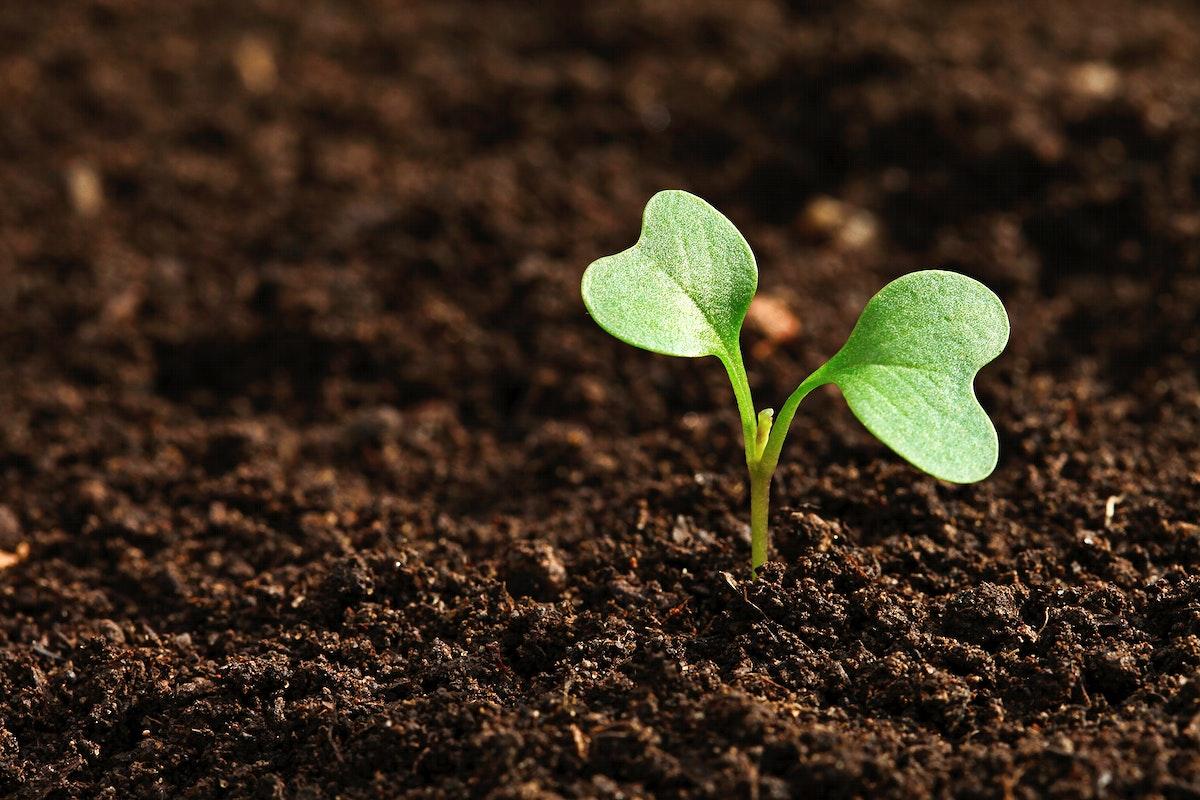
Students discover how plants and soils interact by observing root growth, considering the function of a plant’s roots, modeling the movement of water into the roots, and investigating the movement of
Students will explore the historical use of natural pigments by indigenous peoples, particularly those native to the Southwest region. They will use mathematical concepts to paint using the pigments
In this lesson students combine science and math standards to explore the animal adaptation: camouflage. Students engage in discussion, watch a video, complete a hands-on activity, fill out a table
Using the book There Was a Coyote Who Swallowed a Flea, students will participate in a lesson about desert animals, learn facts about coyotes, then work in small groups to code "coyote" robots to
From learning the basics of the endocrine system (organs) to creating a 3d visual model of a patient and demonstrating how hormones are released across the body, students will go from simple to
Teachers don't talk trash, they talk COMPOST!! Compost is the best way to teach students the value of community as they create a Classroom Compost Program. In this 3-day introductory lesson, students
"A Solution to Plastic Pollution" – an engaging and hands-on lesson plan designed to empower students to address one of the most pressing environmental challenges of our time: plastic pollution. In
This is a week long review activity to be done outdoors on student devices. Students will complete physical/ outdoor activities and see how math fits into their daily life. This is meant to be done in
Students learn about the gila woodpecker as well as the 5 S's of birdwatching. Students then make observations of birds in their schoolyard, summarize the findings on a graph and slideshow, and design