Grades:
6th Grade
Students will design paper gliders to develop an understanding of the principles of flight. This is a low-tech lesson that does not require extensive/expensive supplies. It can be scaled up or down
Students will design paper gliders to develop an understanding of the principles of flight. This is a low-tech lesson that does not require extensive/expensive supplies. It can be scaled up or down
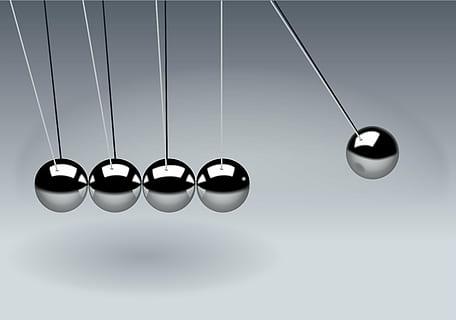
Understanding and studying energy transfer produced by molecules collisions can be difficult and abstract for them. To make it easier for them to visualize, creating a Newton's Cradle will help them
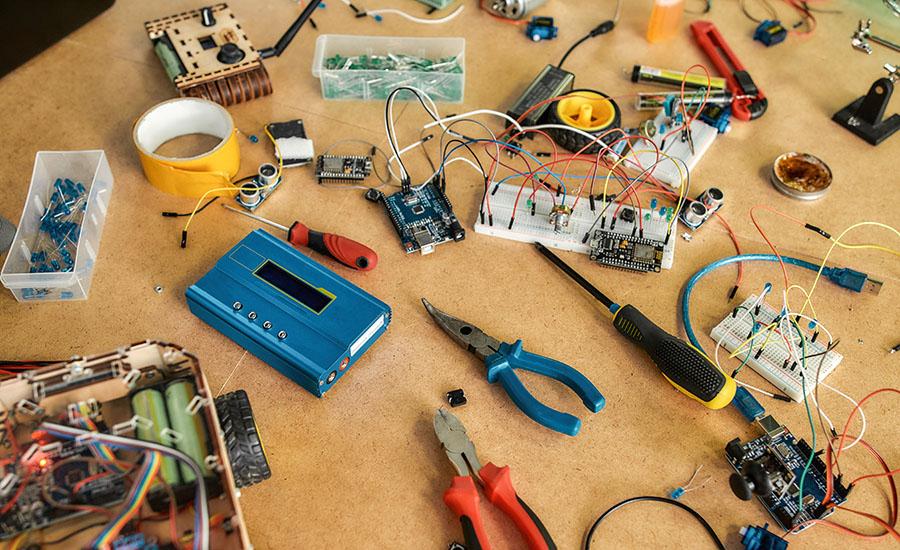
In part 1 of this investigation, groups were challenged to design for speed and collect data to find the fastest car in the class. Using those designs, part 2 will test the mass of a car vs the power
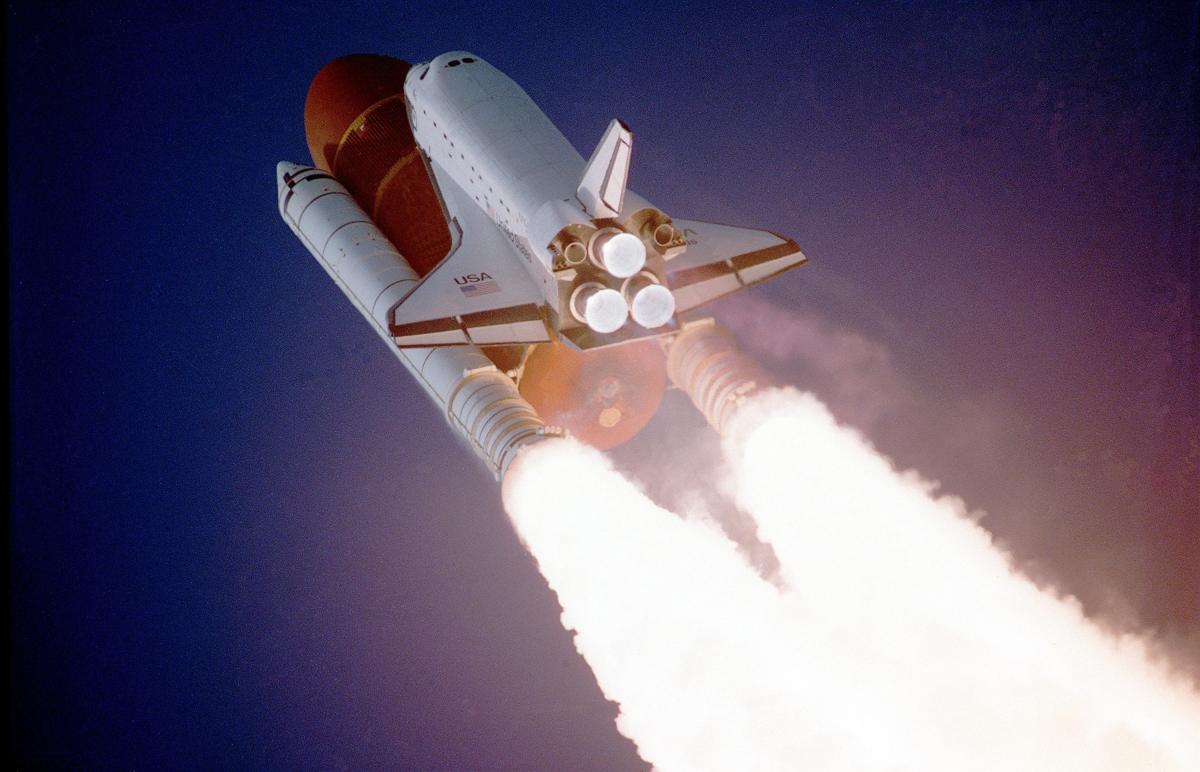
This is the 3rd part of the lesson series where students will determine the thrust and stability of their water bottle rockets to answer their essential question: Using the Design Process how can we
In this investigation, 9th grade students will design and construct a car to test against classmates for the fastest car in the class. Students will test, collect data, calculate and share data with
Students are presented with a real-world problem, the newly poured delivery ramp for the cafeteria is too slick, students are tasked with suggesting a surfacing that will increase the ramp's safety
Students will design and build their own popsicle stick catapults, exploring principles of force, motion, and engineering. This lesson does have a Halloween theme to it, but can be modified is needed.
When Res is hurling towards Mars, he needs a parachute that will help him land safely. Can you design a parachute that will help Res land safely on Mars? Students will design a parachute using coffee
In this hands-on lesson, students identify Newton’s Laws of Motion, analyze the difference between force and motion, compare balloon car designs with group mates and demonstrate how to design and test