
Grades:
6th Grade
In this lesson, students are challenged to design and test a windsock that can tell the direction and relative speed of the wind.
In this lesson, students are challenged to design and test a windsock that can tell the direction and relative speed of the wind.
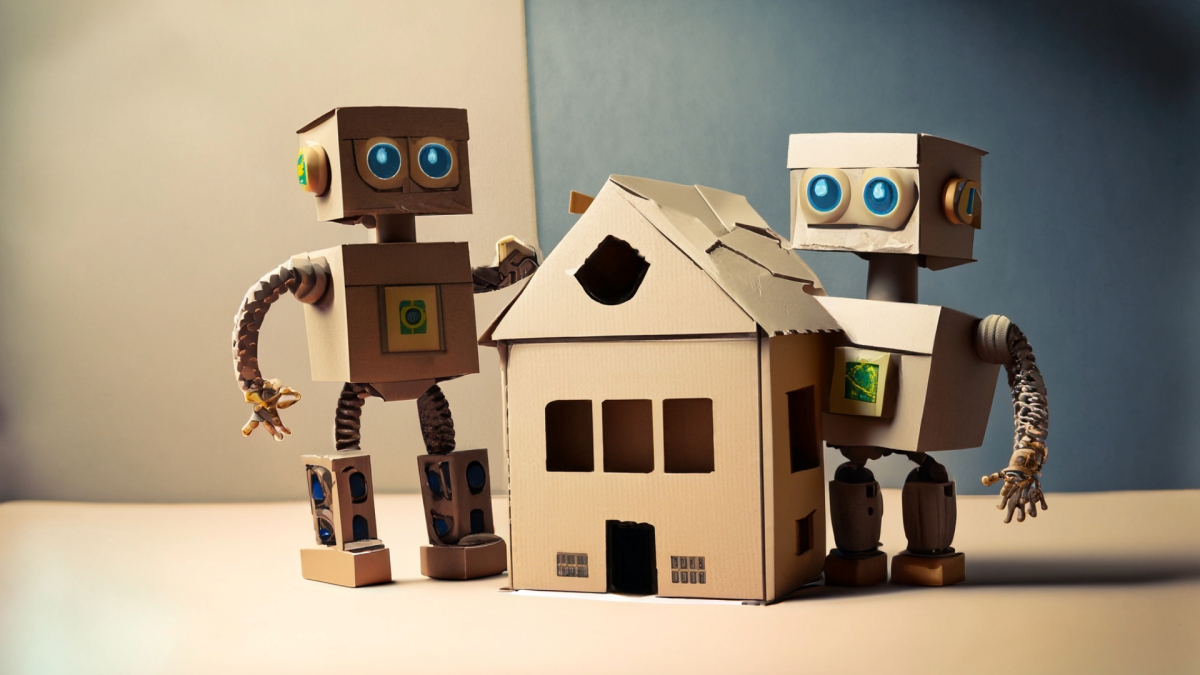
In this lesson, students are to use simple materials to create a structure that holds weight. It must be able to stand on its own. Students will first study and discuss gravity.
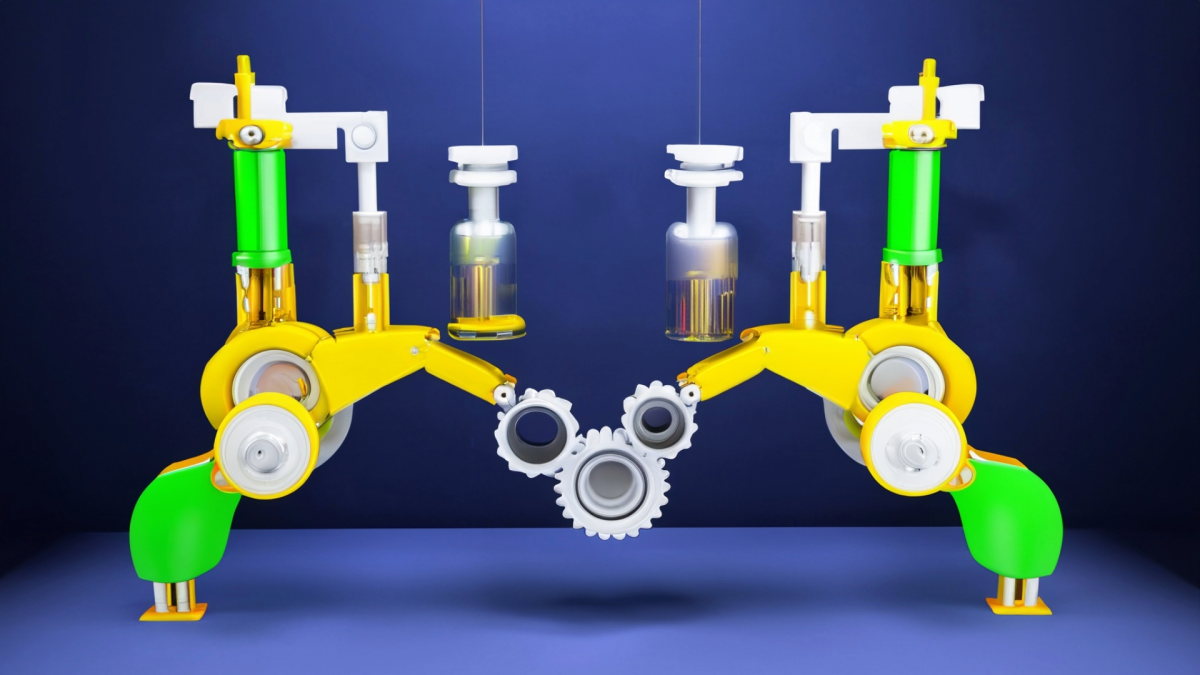
Engage 1st graders in hands-on exploration of simple machines! From classifying to building, this interactive lesson fosters STEM skills and real-world connections.
This hands on activity uses calorimetry to determine the calorie content of snack food. Different samples of snack foods are burned and the temperature change of surrounding water is measured. This

Saguaro cacti are collapsing in the Phoenix due to extreme heat and the urban island effect. Is there anyway to save them? This lesson allows students to investigate the factors contributing to the

After students collected authentic data from their class and defined the problem related to trash, students follow through with solving the problem using the engineering process. In the second half of
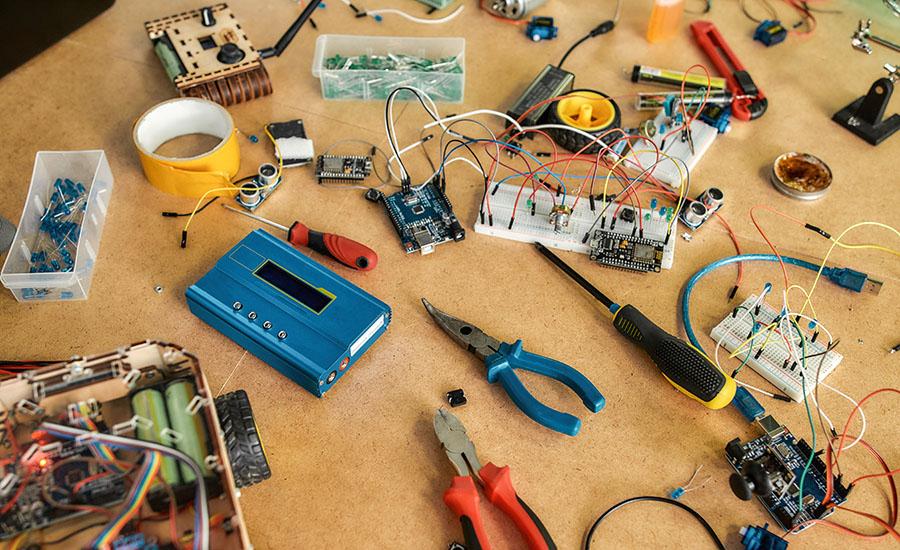
In this creative lesson, students engage in the Engineering Design Process and explore e-textiles by creating a light-up felt sugar skull.
Students work their way through the first two parts of the engineering process in order to get a deeper understanding of an environmental problem- trash. The Great Pacific Garbage Patch is certainly

Students will learn about the relationships between traits of humans and animals. They will use real examples to relate their vocabulary to their everyday lives and then put it into practice by