Students compare the structures and functions of traits that enable organisms to survive in a specific environment. Analyzing the traits of animals provides evidence for how those traits vary, how
Students will use Gel Electrophoresis to diagnose the dominant, fatal, genetic disorder of Huntington's Disease, a neurodegenerative disorder caused by an excessive number of CAG repeats in the DNA
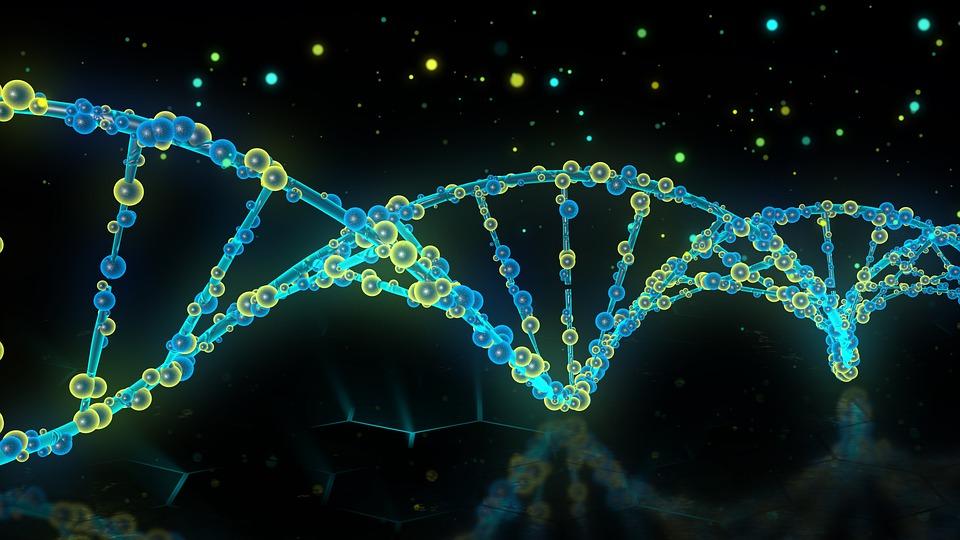
Students will learn about DNA base pairs. As a team they will send a student to read a sequence of DNA/RNA and will have their group duplicate or sequence the complimentary base pair. Students will
This lesson is designed to uderstand the stages of mitosis by integrating Virtual Reality (VR) in the classroom. The students will be able to identify and describe the key events in each stage of
In this lesson, we will learn about different methods for growing potatoes, as the pioneer farmers would have needed to test during the time of the settlers in the United States and Westward Expansion
In this fifth grade lesson plan, students extract DNA after reading about a young girl who is persistent in showing her parents she can be responsible. Students engage in identifying character traits
This STEM Argumentative Research Project engages students in exploring the scientific, ethical, and societal implications of themes in Mary Shelley's "Frankenstein." Students will work in groups to
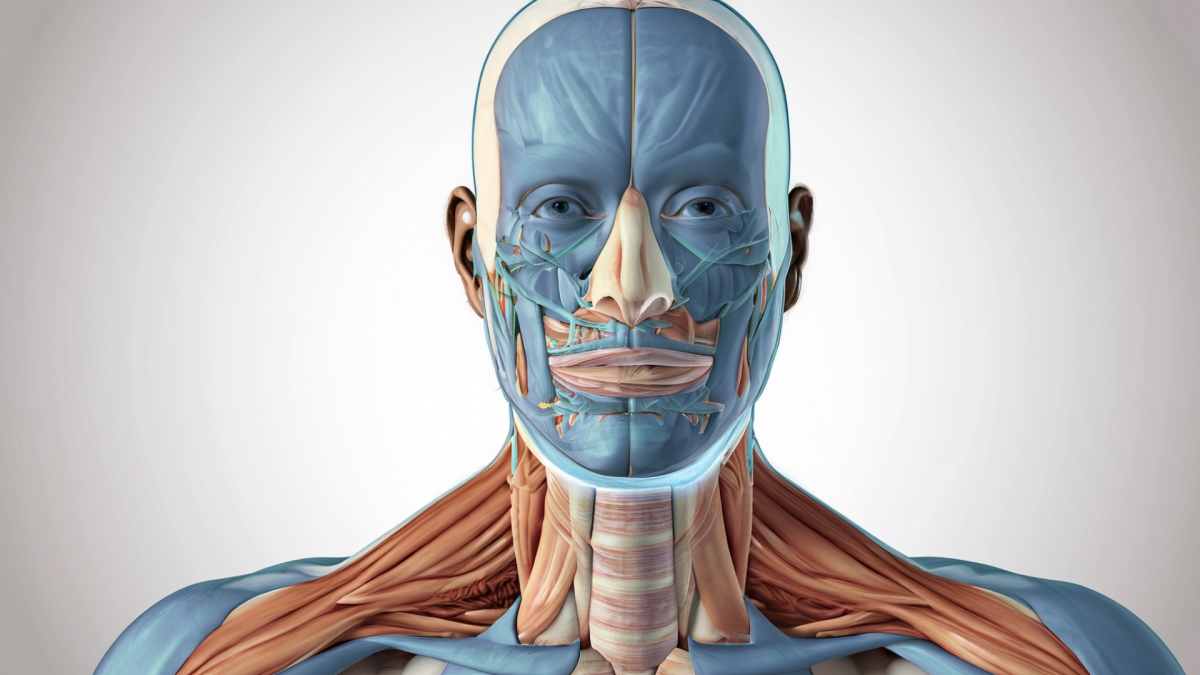
This is a week-long set of lessons building on the structure and function of skin. The first few days will have students using technology to complete research. Students will also explore the