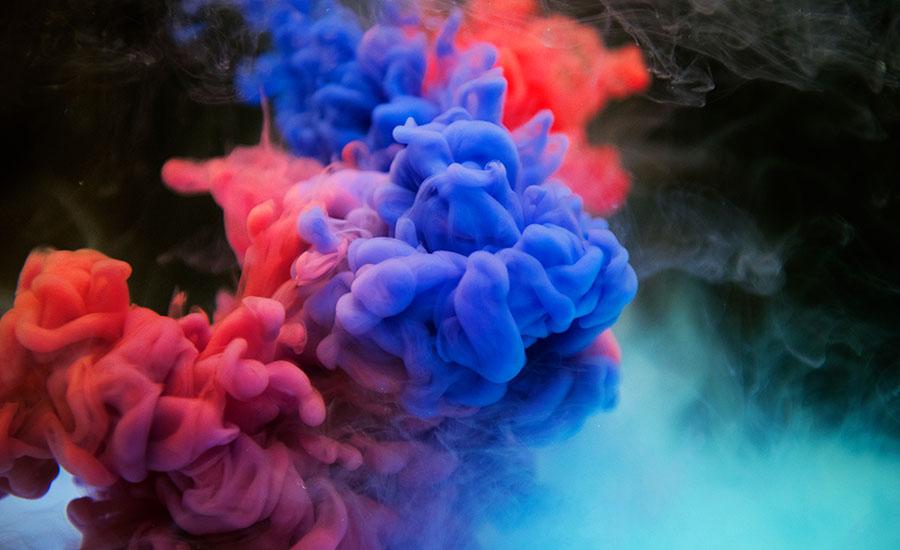
Kill the Dyes
by Tonya Page
In this lesson students will discover harmful effects and chemical makeups of artificial ingredients, specifically food coloring and red dyes. Students will experiment with and demonstrate capillary action through celery and relate it to their own consumption. Students will learn to be aware of their ingredient consumption and create a dye-free menu.
Lesson Grade Level
3rd GradeLesson Plan Link/URL
https://docs.google.com/presentation/d/1IJMqNYQY_s1m5xtcv3RhoKaqwPyNHKg7/edit?u…Subject Area
Science Life Science L2: Organisms & Energy Mathematics Counting and Cardinality (CC) Number and Operations—Fractions (NF) Measurement and Data (MD)
Featured
On
Related Content
Grades:
2nd Grade, 3rd Grade
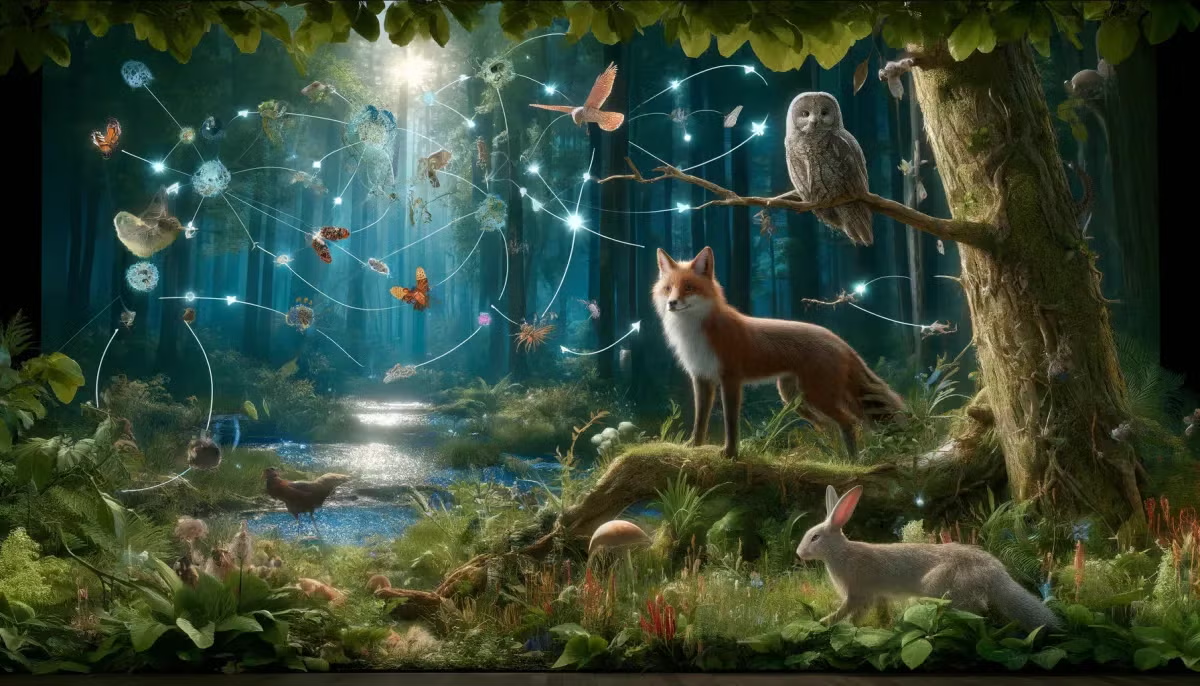
Students will research a biome around the world, including 3 animals, 3 plants, and 3 nonliving parts of the ecosystem. Students will construct a diorama of the biome and illustrate a natural disaster
Grades:
3rd Grade
Students will explore the reason why blue corn mush turns blue when juniper ash is added. Students will create a hypothesis and engage in active discussions about the why of this process. Students
Grades:
9th Grade, 10th Grade, 11th Grade, 12th Grade
This is a 6-week lesson plan for high school students designed to measure and then increase the bat population in the field behind our school. This can be used in any area where bats populate, as long