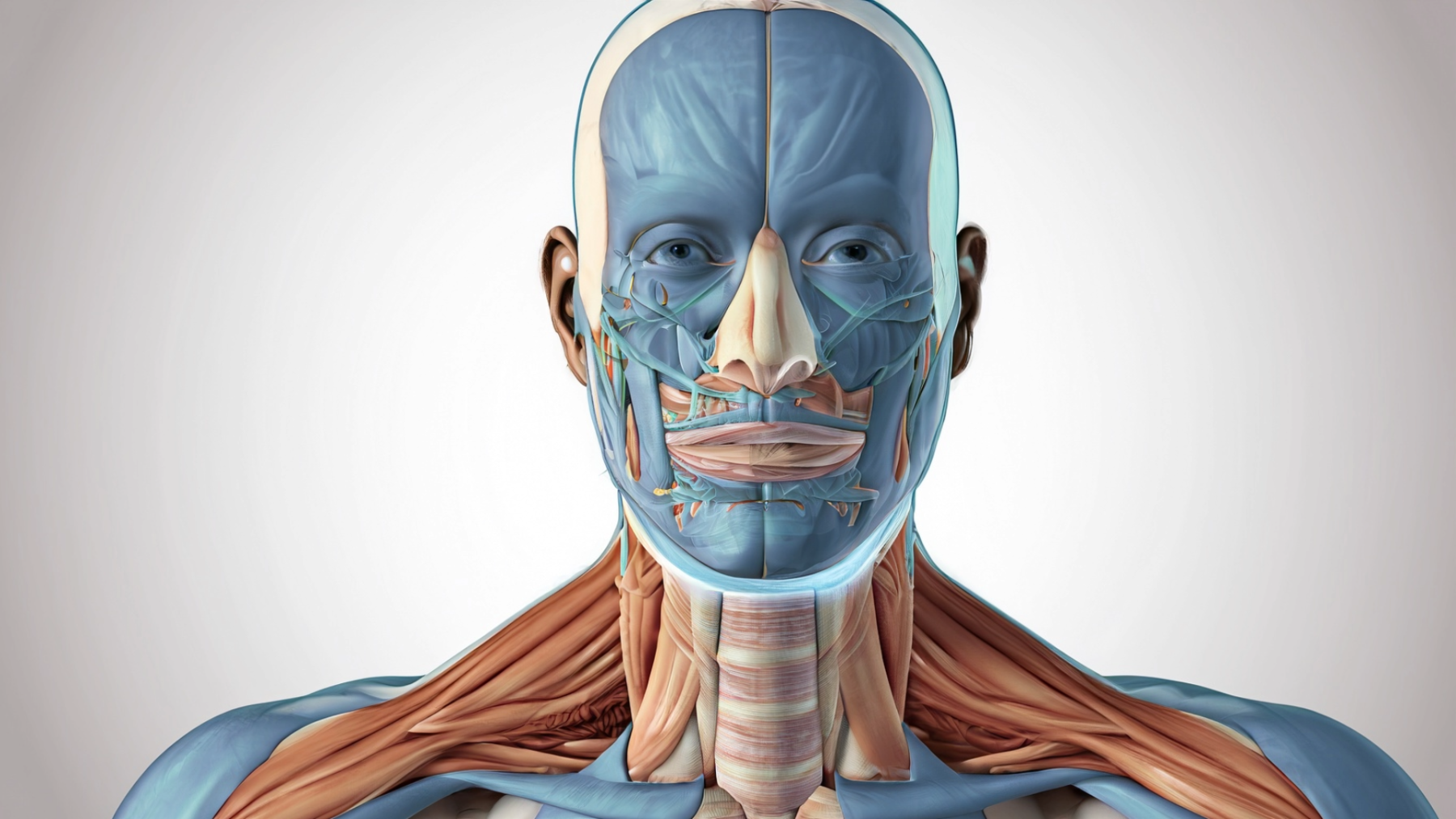
Anatomy of Dehydration
In this engaging lesson, students take a look at the effects of dehydration and over hydration on the body and electrical conductivity of the heart. They will also learn about what electrolytes are, basic heart rhythms seen on an EKG and how the heart conducts electrical impulses. Also included is a review of necessary elements that the body needs, osmosis, and calculations that doctors use to determine the amount of IV fluids a child needs for dehydration. The learning doesn't stop there! There is also a lab for testing electrolyte solutions.
This hands-on lesson works well in connection with a cardiac unit.
Lesson Plan Link/URL
https://docs.google.com/presentation/d/155rKy2X4BoWeGLa-I9BoXGBDXxaozJKW/edit?u…Subject Area
Science Life Science L1: Cells Mathematics Operations and Algebraic Thinking (OA) English Language Arts (ELA) Reading (Informational Text)Related Content
In this lesson students learn how CRISPR works by running a gene editing lab. They get to explore the components of the gene editing system, make experimental predictions. Transform bacteria with

This high school lesson was created to discuss Martian and potentially future soil on Earth. The overall goal is to achieve biodiversity and health within the soil. It should hold moisture but not too
Through the use of the Read Aloud, "Up in the Garden and Down by the Dirt" by Kate Messner, students will learn about all the elements that make up a garden. Students will also plant a seed into a