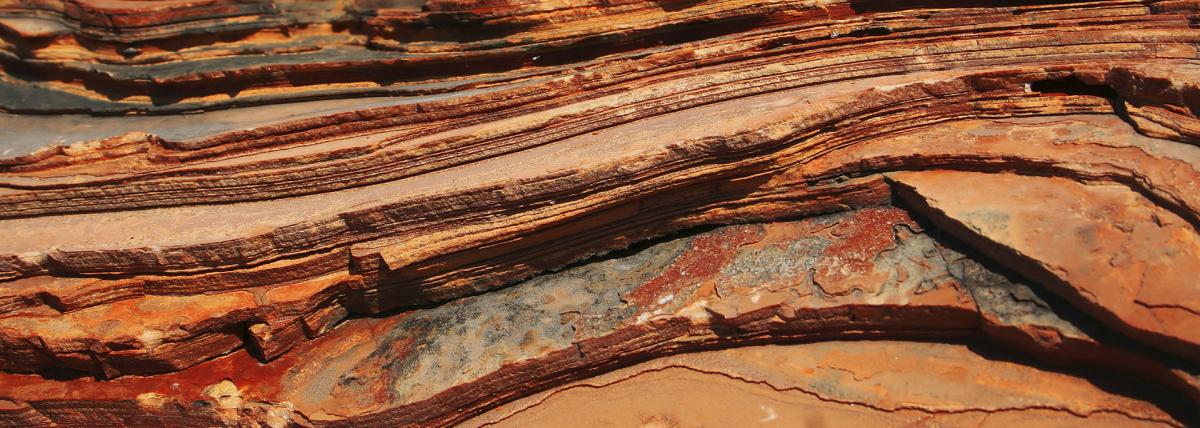
This lesson is the 1st lesson in a series of 3 on balanced and unbalanced forces. Students will learn about the “Wonderland of Rocks” at Chiricahua National Monument near Willcox, Arizona, and view a
Over 2 days (60 min or more each day), students create a catapult out of jumbo popsicle sticks, a water bottle cap and rubber bands. The challenge is for students to launch their snowball (cotton ball
In this hands-on lesson, students will work together to build a system where energy is transferred between objects for as long as possible (i.e. Newton’s Cradle). Students continue the work that began
This is part one of a design challenge where students are asked to brainstorm a device that allows energy to be transferred for as long as possible, similar to a Newton's Cradle. Students use the
This lesson uses a Modeling Instruction approach to developing the graphical and mathematical relationship commonly known as Newton's 2nd Law for students in Grades 9-12. Students design an experiment
Students code robots to match different distance time graphs. For each graph the teacher stamps their paper and they move on to the next more difficult one. Students will be able to replicate the
Understand and implement the steps of the Design Thinking Process. Students will also be using their knowledge of energy to design a balloon-powered car that travels the farthest.
In this lesson students will explain all three of Newton’s laws of motions. Students will collaborate and communicate effectively with their peers to complete an engineering design challenge to design
Students will learn basic concepts of physics, including velocity, motion, and vector. S tudents will develop and use a model to predict how forces act on objects at a distance. Finally students will