Grades:
2nd Grade
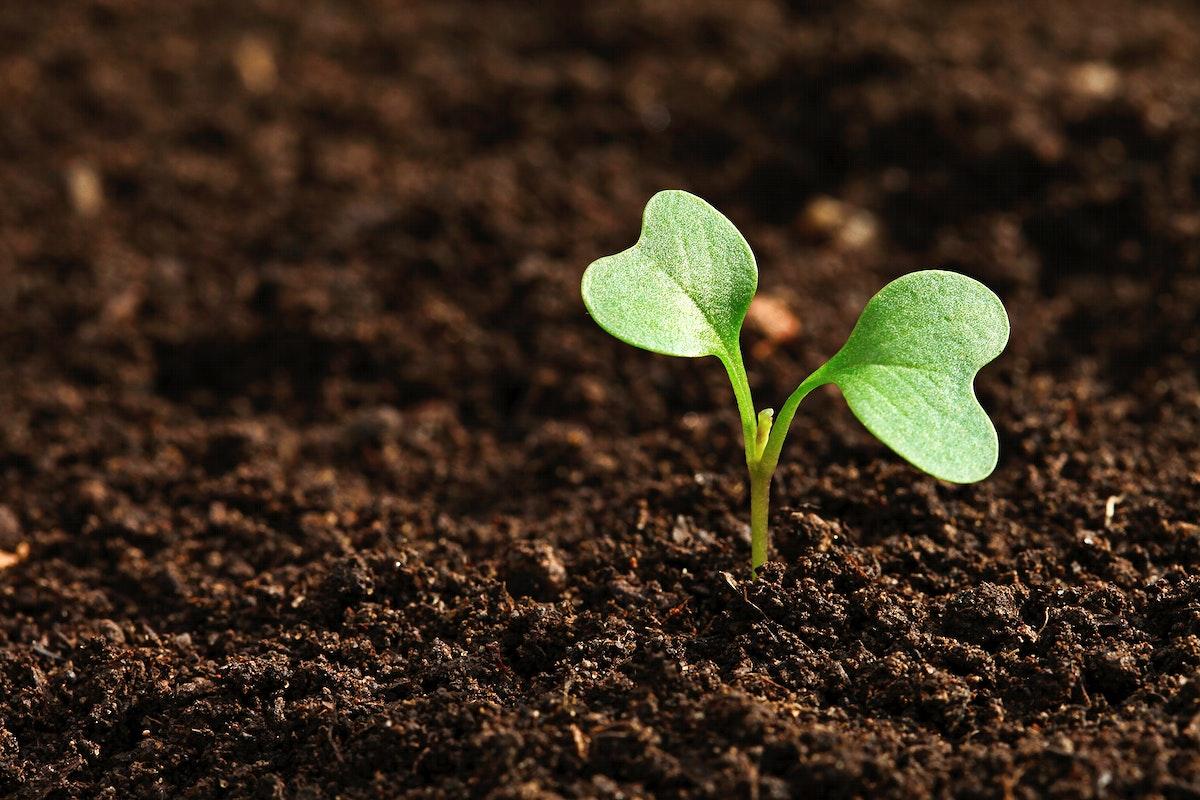
In this lesson, students will plant their sunflower seeds in a cup and complete their first observations in their sunflower diaries. This is the 2nd lesson in a unit series of 4.
In this lesson, students will plant their sunflower seeds in a cup and complete their first observations in their sunflower diaries. This is the 2nd lesson in a unit series of 4.
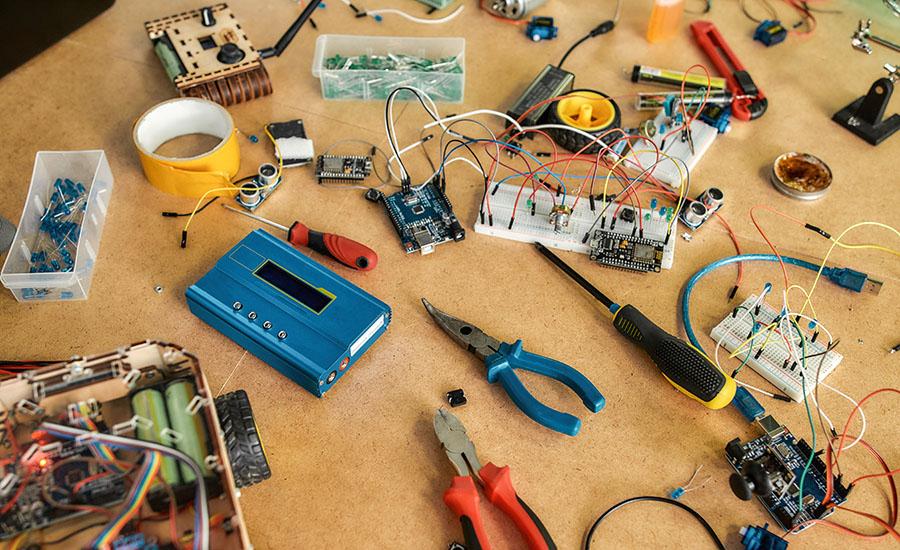
Today we are engineering marble runs. To do this we will: Share ideas Brainstorm and sketch plans Count and measure Collaborate and communicate effectively with others
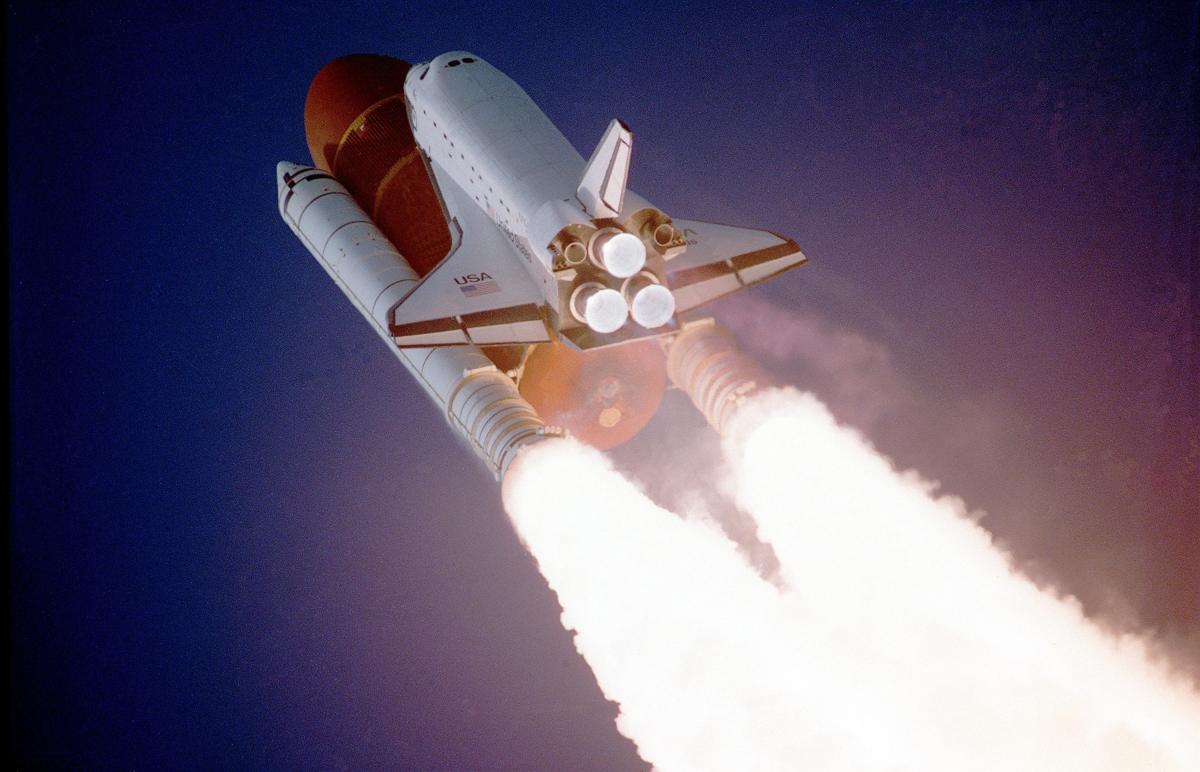
Today we will engineer air powered rockets. To do this we will: Watch a video and note the shape of rockets and learn about countdown and liftoff Name shapes as we brainstorm and sketch plans Build
This lesson uses the children’s book The Seed and the Giant Saguaro to teach about plant and wildlife habitat in the Sonoran Desert. It includes story reading, discussion, a field experience, writing
This lesson includes 1 or 2- 50 minute period(s) worth of Greenhouse gas exploration. Students are creating and refining a drawn model of greenhouse gasses in our atmosphere, reading and discussing
In this hands-on lesson, students use making lemonade to practice lab procedures, measurement and ratios as well as learning about temperatures affecting saturation points.

This week-long experience teaches students about the computer science and robotics behind NASA's Mars Rover program using Ozobots as Mars Rovers. Students will first build background on the history of
In this lesson, students will begin by exploring how animals can damage the plants in a garden bed. They will view and discuss the structures of various framed garden beds. Finally, they will design
Through the use of the Read Aloud, "Up in the Garden and Down by the Dirt" by Kate Messner, students will learn about all the elements that make up a garden. Students will also plant a seed into a