Grades:
11th Grade
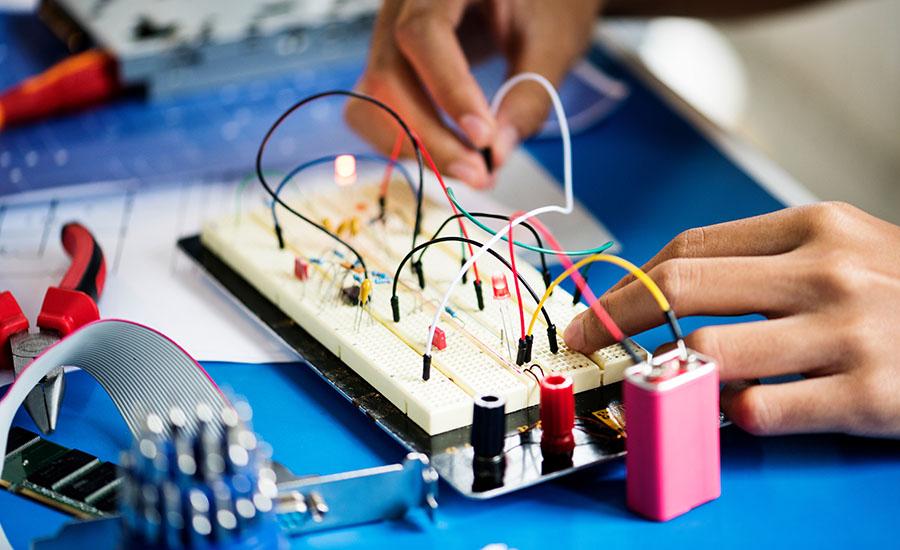
The Wikiup-Lighthouse Project will teach 11th grade students the concept of circuit diagrams, the two (2) types of circuits, as well as the cultural relevance of Wikiup in the Apache people.
The Wikiup-Lighthouse Project will teach 11th grade students the concept of circuit diagrams, the two (2) types of circuits, as well as the cultural relevance of Wikiup in the Apache people.
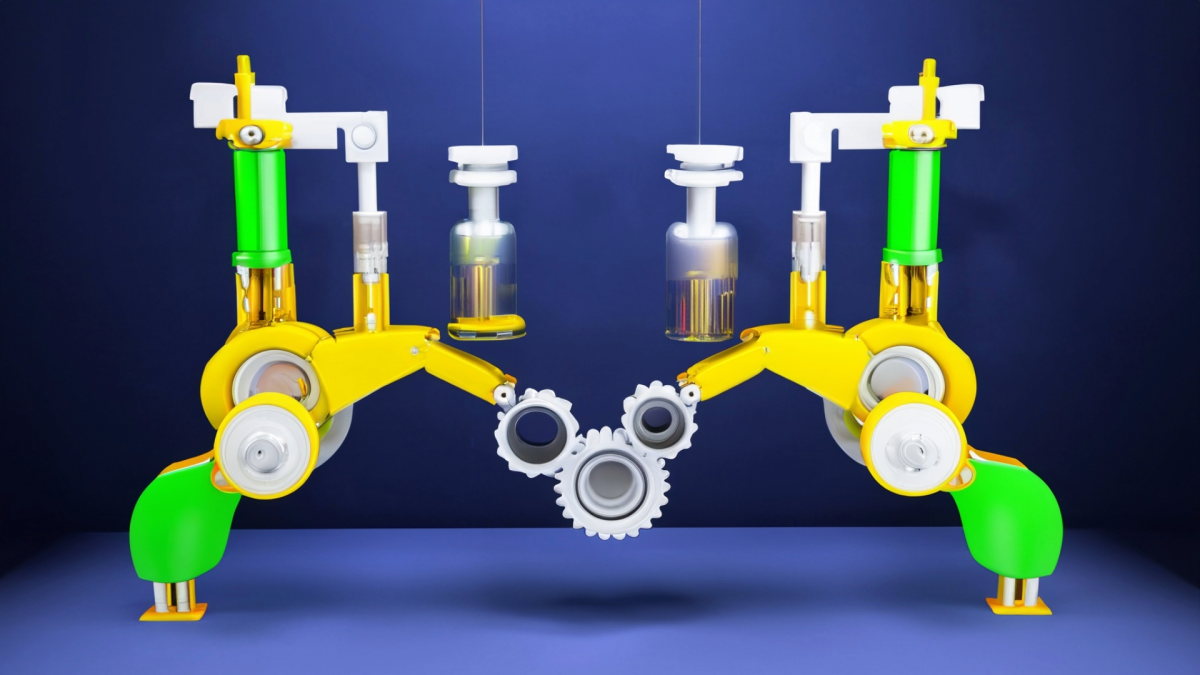
In this lesson, students will: Identify levers in our world; Discuss how levers make work easier; Plan and construct a catapult that uses a lever Provide and receive feedback through peer critiques
In this lesson, students will: Identify inclined planes in our world; Discuss how inclined planes make work easier; Plan and construct a marble maze of their own design that uses inclined planes
In this lesson, students will: Identify pulleys in our world Discuss how pulleys make work easier Plan and construct an elevator of their own design that incorporates a pulley Provide and receive
This lesson serves as the introduction to an 8 lesson series or unit on simple machines. This series will present dozens of activities to introduce your students to simple machines, culminating in the
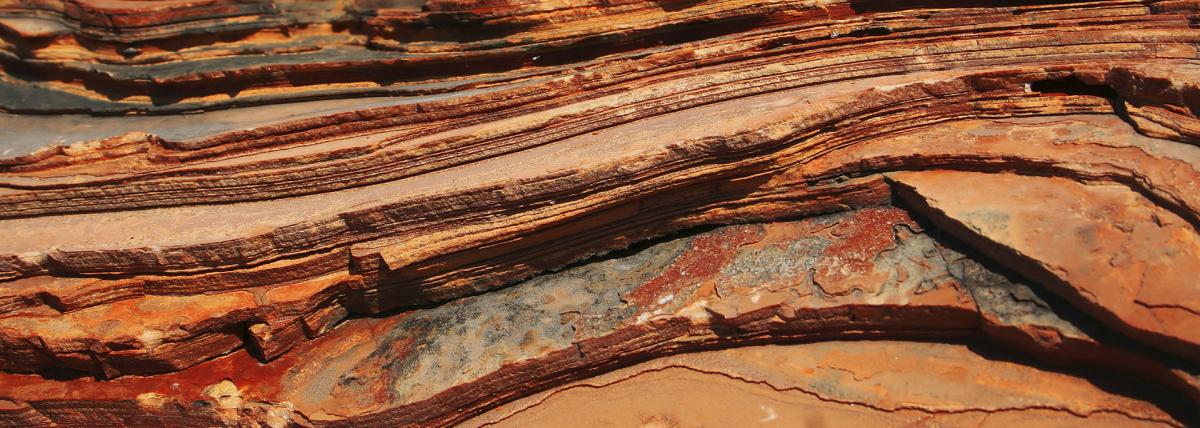
How old is Earth? How big is 1 million years compared to 1 billion years? Students will use three models to organize geologic time and practice cross multiplication to solve for a variable.
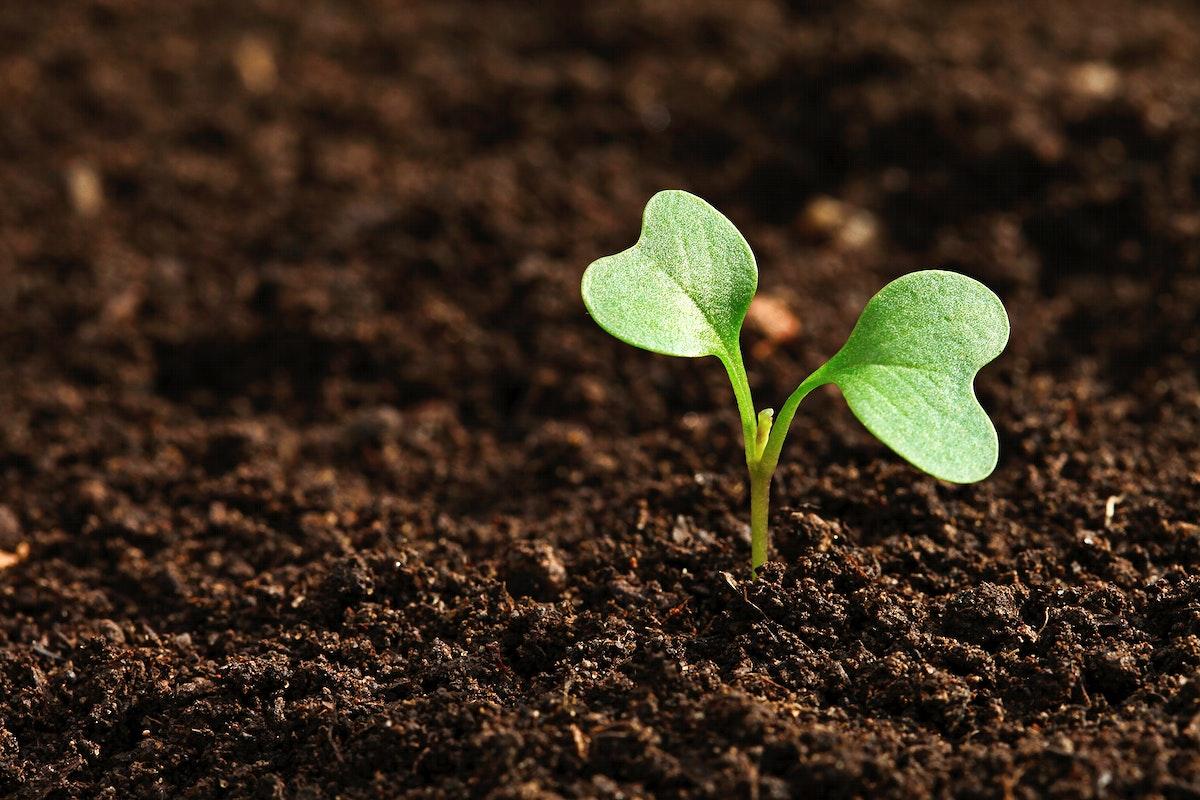
This is a junior high lesson on plant grafting that can be done in a classroom setting or with an after-school club such as botany. This lesson can be easily modified for any grade level. In this
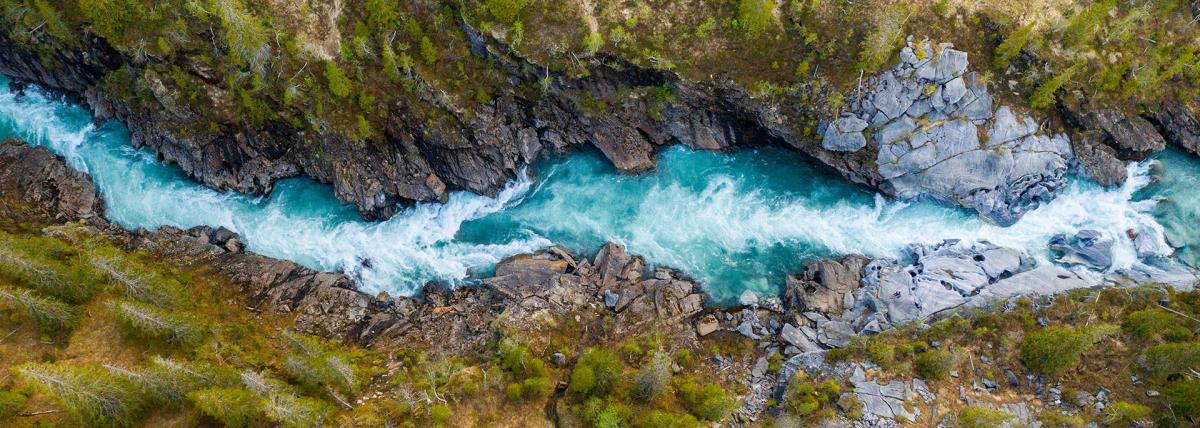
Students learn about the Colorado River watershed and the impact of water rights and usage. They will read about the past and present water flow data, build a model of the watershed, calculate data
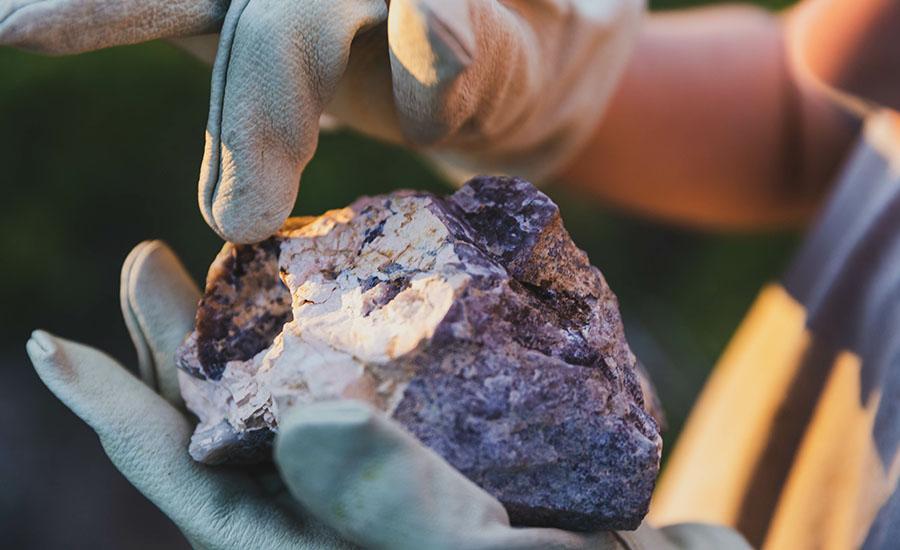
A review of types of rocks and the rock cycle and tectonic movement. The creation of minerals. Using Associative Geology, legends, and probabilities, hunt for possible locations of the Lost Dutchman’s