
Grades:
5th Grade
By the end of this lesson, students will understand the unique adaptations of desert tortoises and the importance of conserving their habitat. Students also engineer a habitat for the desert tortoise.
By the end of this lesson, students will understand the unique adaptations of desert tortoises and the importance of conserving their habitat. Students also engineer a habitat for the desert tortoise.
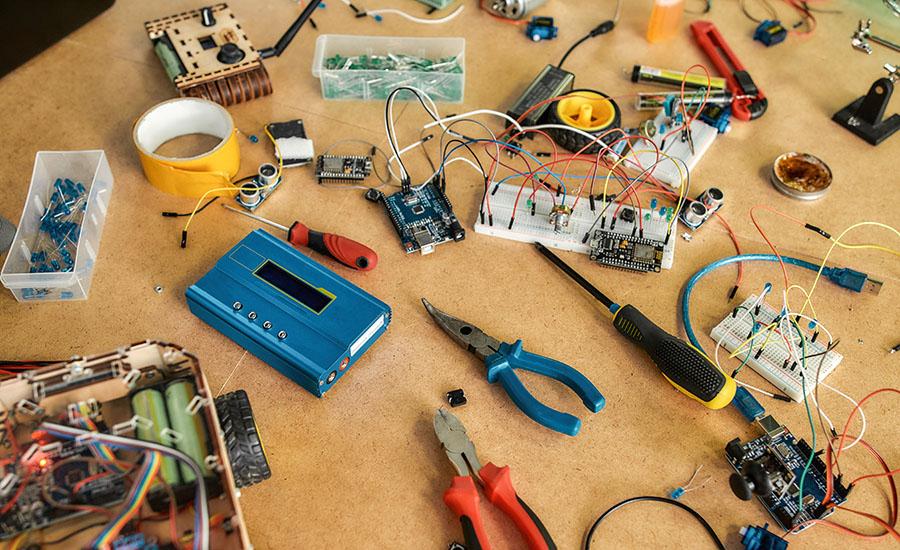
Student teams design insulated beverage cups with the challenge to test them to determine which material works best as an insulator to keep a hot beverage warm for as long as possible. Students test
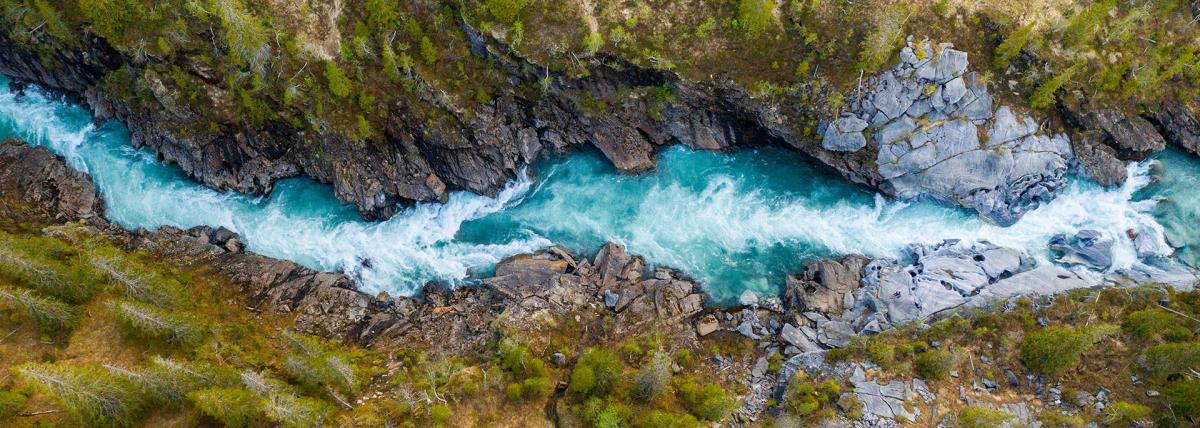
Including themes of ecology, physics, and environmental impact; this engineering lesson introduces students to the idea of energy conservation. While using the phenomena of the Klamath River Dam
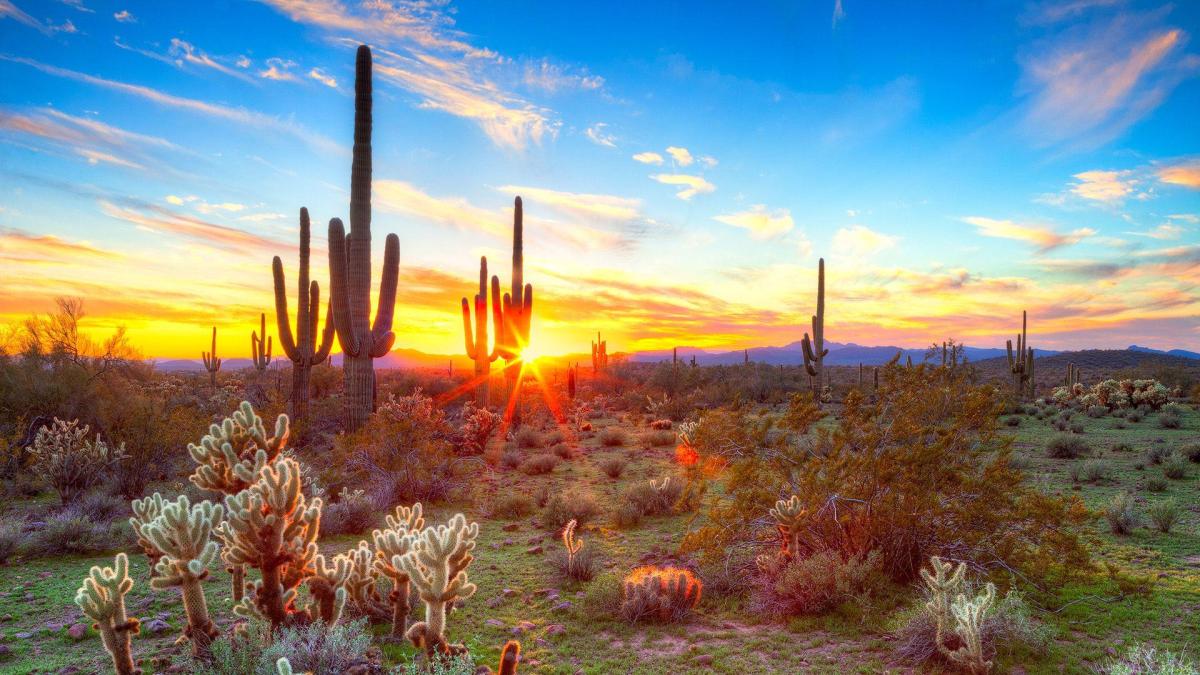
Including themes of natural resources, art, and geography; this engineering lesson introduces students to the idea of mass conservation. While using the phenomena of the water crisis in Arizona,

In this final lesson, students will use a life expectancy model to figure their likelihood of dying at a certain age They will use this answer to calculate their best life insurance policy, and
Students will orient to the varied rates of death that depend on age. They will learn how to check for conditions of valid sampling designs that let them use the Normal curve for modeling their sample
In this lesson two of four, students have to estimate and guess how much weight each of four factors has on a person's life expectancy, which often causes discomfort. They will ask you for direction
In this first of a four-part unit, students are introduced to the question under investigation: How much life insurance should I buy to cover myself when I am 45 years old? To answer this
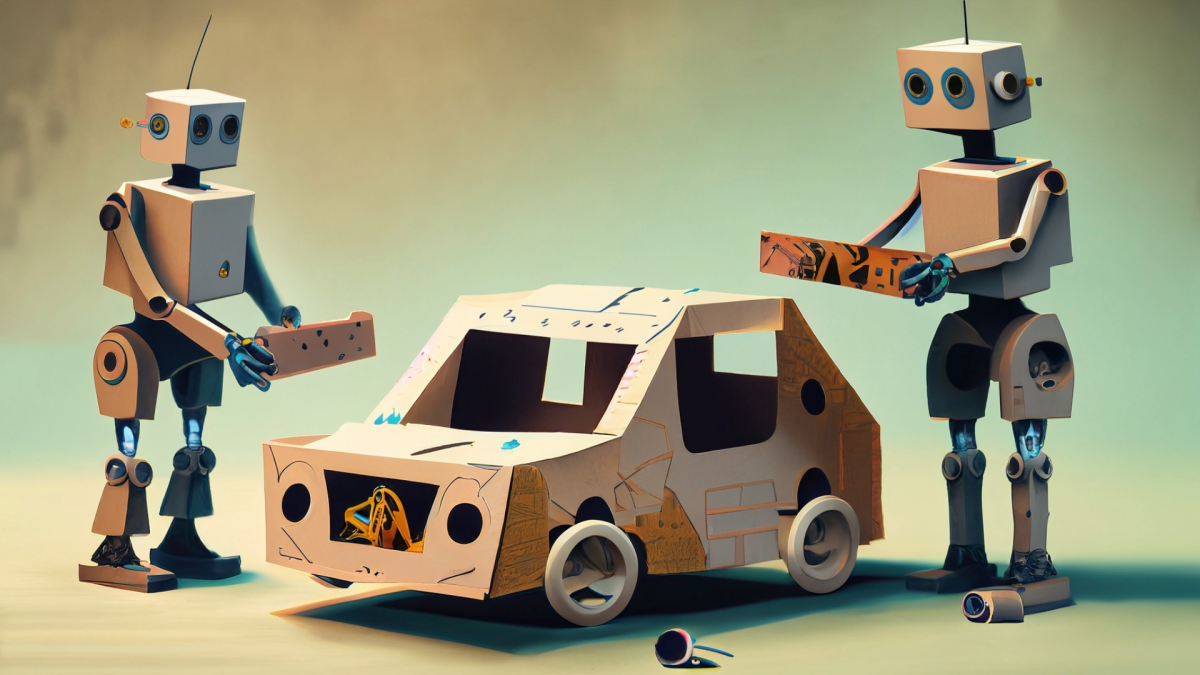
In this engaging lesson, students explore the concept of position (Hayu') vs. time (nkez) graphs through a hands-on car motion (Buggy) activity. Using the Buggy on a marked track, students measure and