Grades:
2nd Grade
This is part 2 of 2 where students will be conducting a life science experiment with their Worm Worlds created from part 1 and finding out what a red wiggler's favorite food is.
This is part 2 of 2 where students will be conducting a life science experiment with their Worm Worlds created from part 1 and finding out what a red wiggler's favorite food is.
In this lesson, students conduct an experiment that answers the following driving question: Which type of bedding do red wigglers like better- coconut husk or shredded cardboard? This lesson allows
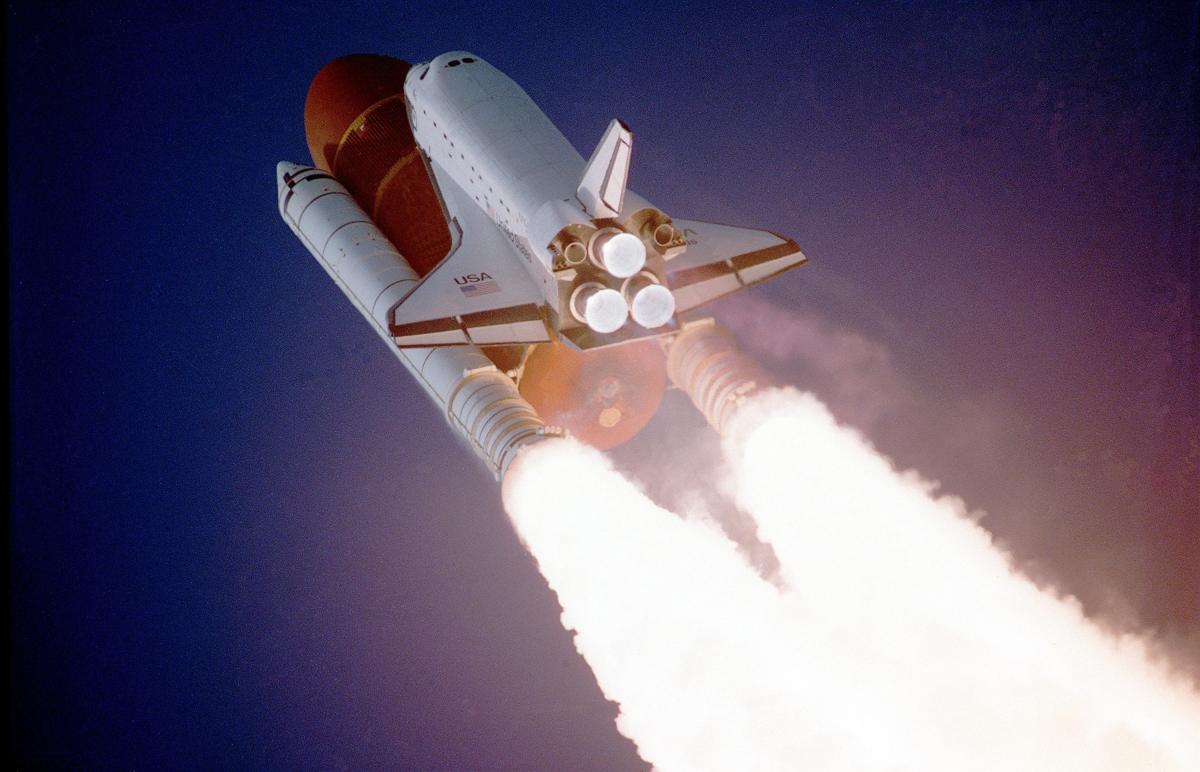
Students use the engineering design process to create paper rocket protoypes and complete a cost-benefit analysis to help choose the best one.

Context: This lesson takes place in a classroom for two or more class periods Students may work in small groups of 2-4. An emphasis on the experiment of making an indestructible Edison robot Creative
Students will create an inclined plane using Pythagorean Theorem and will experiment with rolling objects and try to find a solution to reduce the speed through friction, or air resistance or weight.
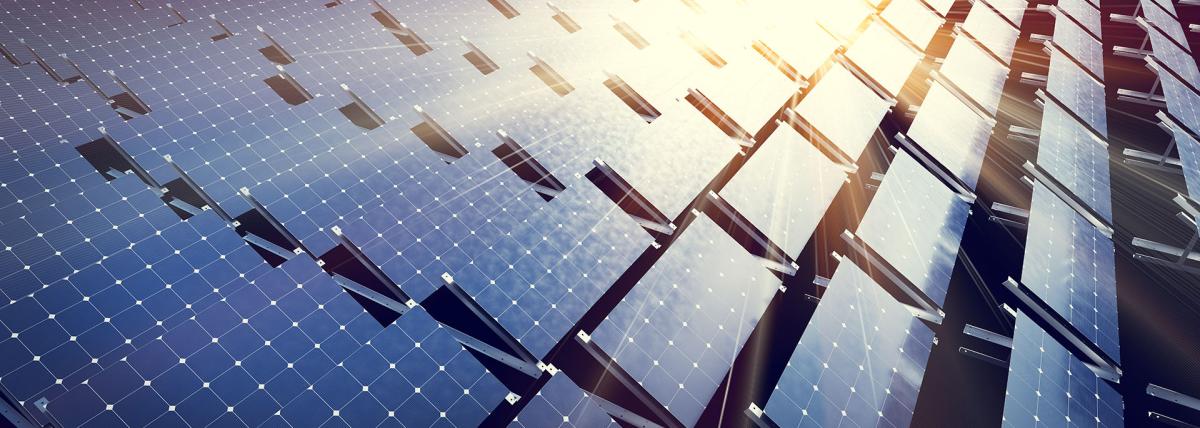
Students will first build and collect data on how fast their solar car is. Then students can change items to increase the efficiency of the solar panel to increase the overall speed of the solar car.
Students will increase efficiency of the solar panels by using angles. Students are given a solar panel, protractor, and a multimeter. They need to complete a pre- investigation plane before they
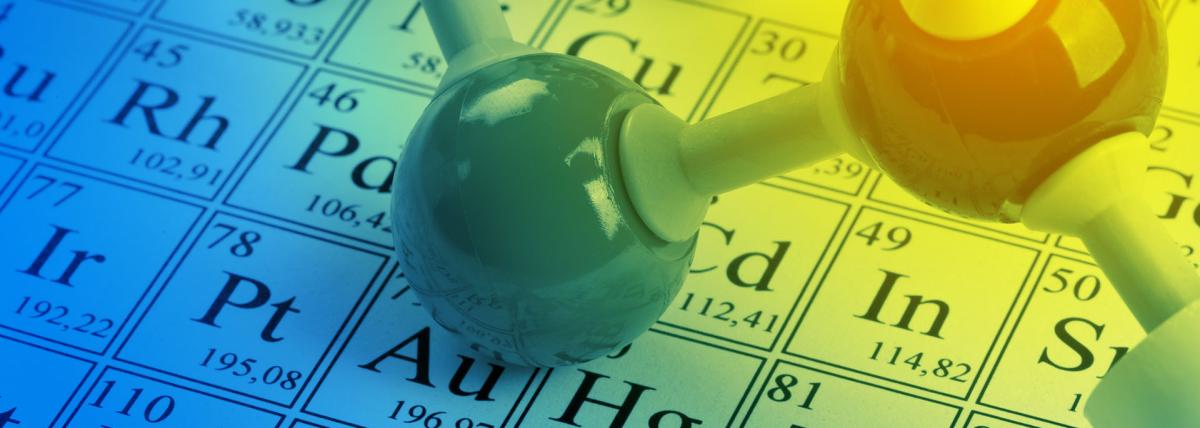
This lesson plan provides material for two 90-minute periods. Day one provides guided opportunities to explore chemical equations and day two consists of 10 hands-on stations practicing and applying
Students will be reading an article and answering questions on Solar Panels to help them complete their model of how the solar panel converts the sun's energy into electricity,.