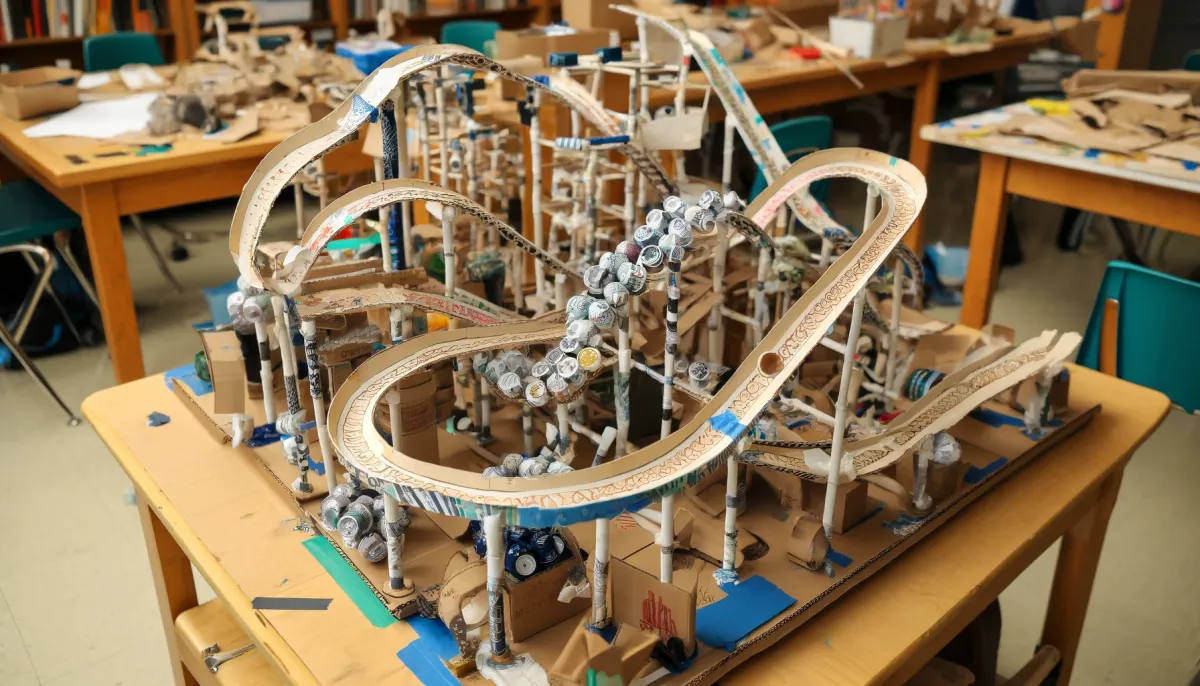
In this lesson students will research different roller coasters then work in groups design and build a roller coaster using pipe insulation and tape. Students will then analyze their roller coaster
This is part three of a four part unit. In this lesson students will be curious and play with a Comeback Can and a Tik-Tiki. Students will also develop explanations about how both devices work using
Part 4! Students take all that they have learned from all the parts along with observations of their rocket launch to create a detailed google slides presentation!
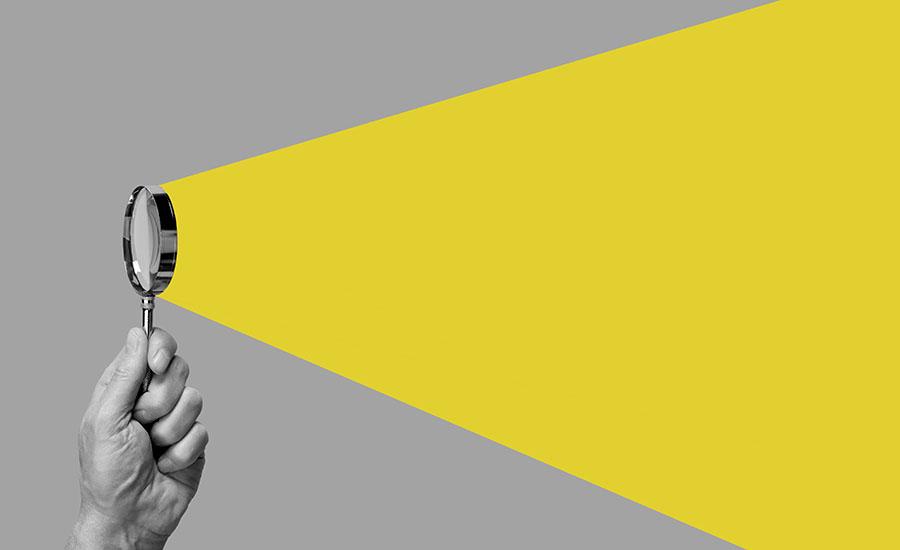
In this lesson, students will work individually to build a working periscope. They will make a simple one out of card stock and then being creative with whatever supplies their teacher gives them
This lesson is an opportunity for students to learn about the past, the interesting field of nuclear radiation, and future implications to humanity as we encounter it in our spaces.
This is an introduction to exoplanets and their discovery. In the hands-on activity, students make a lightcurve for an exoplanet transit using data from the DIY MicroObservatory Telescope Network.
In this lesson, students physically manipulate a couple of springs and then collect data from a spring force Phet simulator. Next, they graph the data, calculate the area under the curve of their
Get the athletic shoes ready! Students calculate their own physical power output by walking, and then hustling/running, up a flight of stairs in this engaging lesson. The change in potential energy