Scientific Computing: Increasing Classroom Engagement and Critical Thinking
by Jeff Meilander
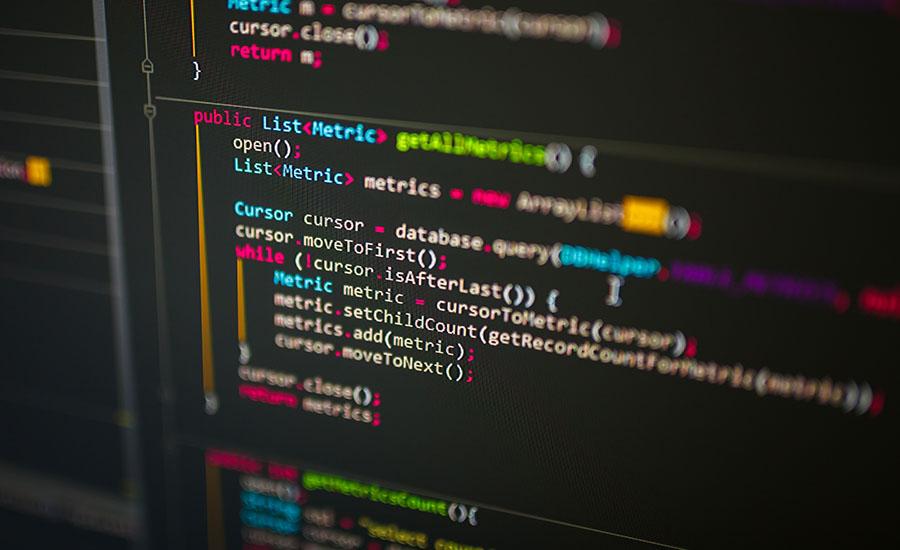
Developing STEM skills will advance workforce development and fostering critical thinking. This free, online lab manual features scientific computing activities designed for middle school environmental science classrooms and integrates tools such as Raspberry Pi 400 computers and Micro:bits into experiential, place-based, and problem-based learning experiences. Through the Socratic Method, hands-on activities, and student-led experimental design, learners increase classroom engagement and develop critical thinking and technology skills aligned with future STEM careers. The activities provide a flexible framework for teachers and students to expand learning opportunities, regardless of access to technology and Internet, or prior computing experience. By combining affordable technology, place-based data collection, and scientific computing, these activities help prepare students from all backgrounds to engage in scientific inquiry while fostering academic success and community responsibility.
Lesson Plan Link/URL
https://docs.google.com/presentation/d/1gYAHR9REs0XD0G_HSNOZgb72TTzPZBOc/edit?u…Subject Area
Science Earth and Space Science E1: Earth Systems Technology 2. Digital Citizen 5. Computational Thinker
Featured
Off
Related Content
Grades:
6th Grade, 7th Grade, 8th Grade
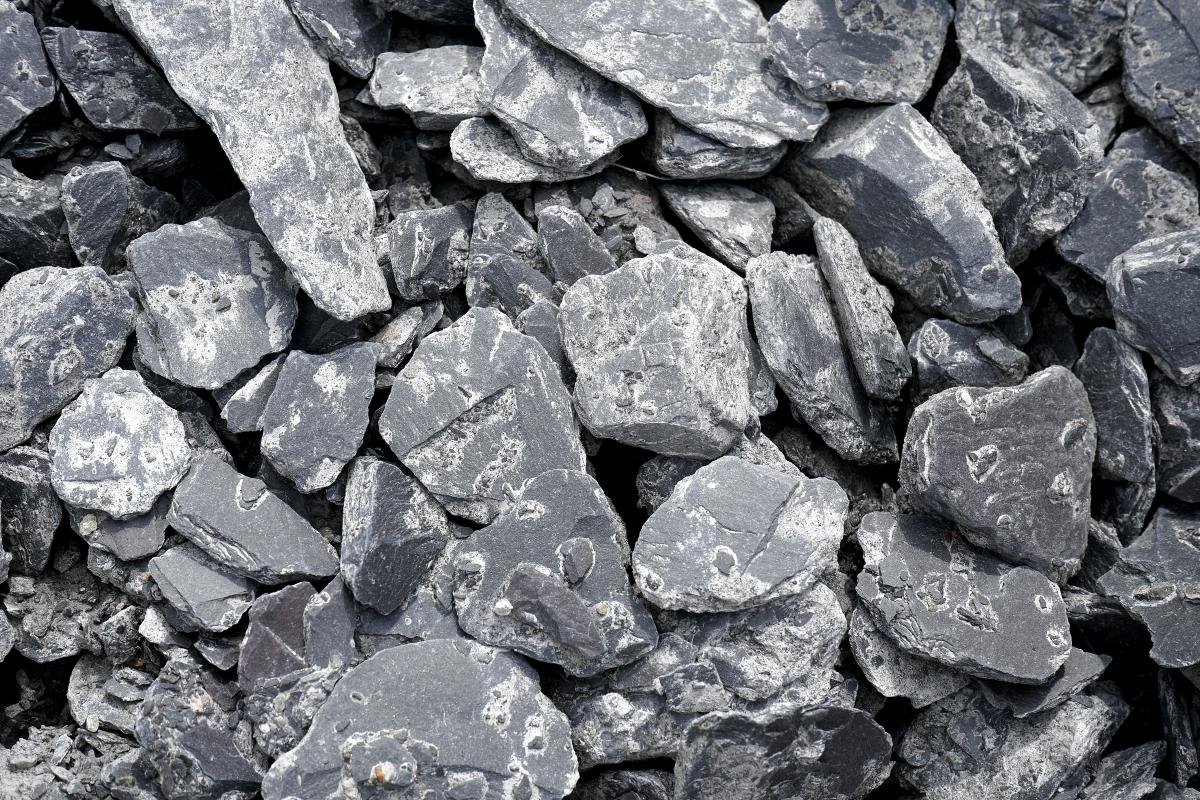
In this lesson, students learn about sediment classifications and develop a model for how sediments are sorted during deposition. Armed with this knowledge, students then gather dirt with favorable
Grades:
6th Grade, 7th Grade, 8th Grade
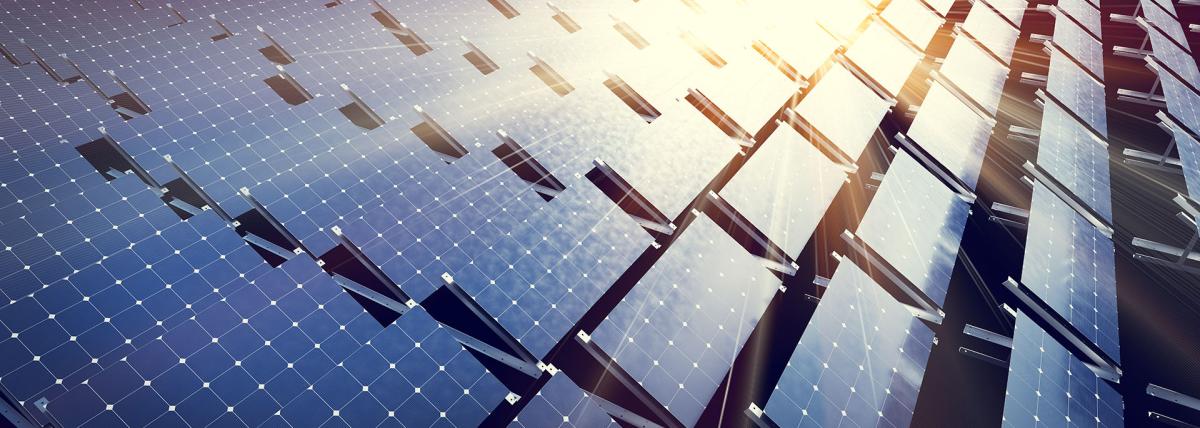
In this lesson, students will engage in a hands-on STEM project where they design and construct a model city made from Legos that is powered by renewable solar energy. Using the engineering design
Grades:
3rd Grade, 4th Grade, 5th Grade, 6th Grade, 7th Grade, 8th Grade, 9th Grade
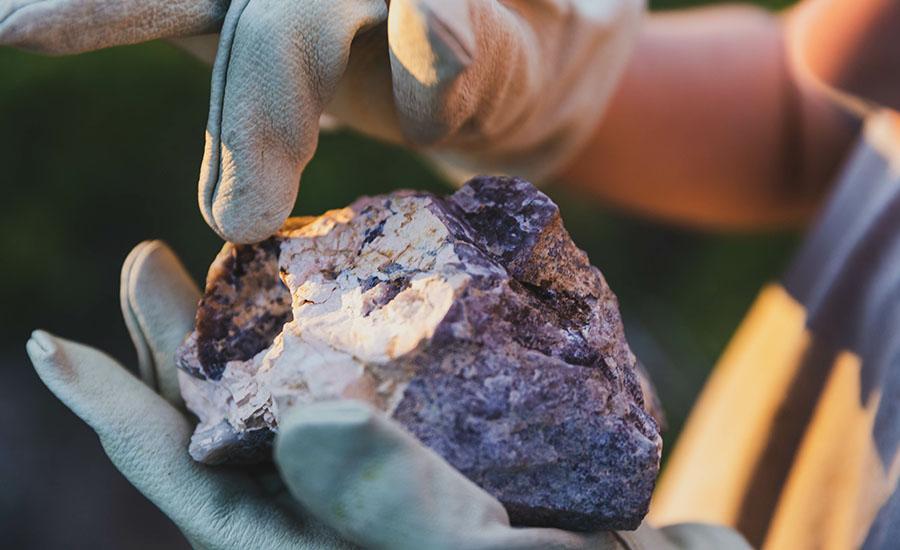
An overall view of mining, minerals, and their role in our everyday life. This lesson compares the past, present and future of mining and it's relativity to sustaining our way of life.