
Loops and Logic
by William Blevins
This is an investment lesson where students will learn about how to code with loops and logical statements and they will test what they learn by developing code to fly their drones. This one lesson includes several one day tasks that all build individual skills that all fall under this same blanket category of loops and logic. Each day includes a guided task students will emulate and then an extension task they will carry out to practice applying what they learned to a new context. This is lesson 7 out of 10 in the coding drone lesson sequence.
Lesson Plan Link/URL
https://docs.google.com/presentation/d/1bVRwVbZCDISMOur6JR1zSRAJPd_pyOqJ/edit?u…Related Content

Grades:
7th Grade, 8th Grade, 9th Grade, 10th Grade, 11th Grade, 12th Grade
This lesson is designed to help students learn how to critically evaluate sources of information, a crucial skill for conducting independent STEM projects. The lesson uses the Baloney Detection Kit
Grades:
Kindergarten, 1st Grade, 2nd Grade, 3rd Grade, 4th Grade, 5th Grade, 6th Grade, 7th Grade, 8th Grade, 9th Grade, 10th Grade, 11th Grade, 12th Grade
Students (or teacher) create an escape room to align with any math (or science or any subject) standards. Can incorporate various technology (chromebooks, laser pointers, etc and students will need to
Grades:
7th Grade, 8th Grade, 9th Grade, 10th Grade, 11th Grade, 12th Grade
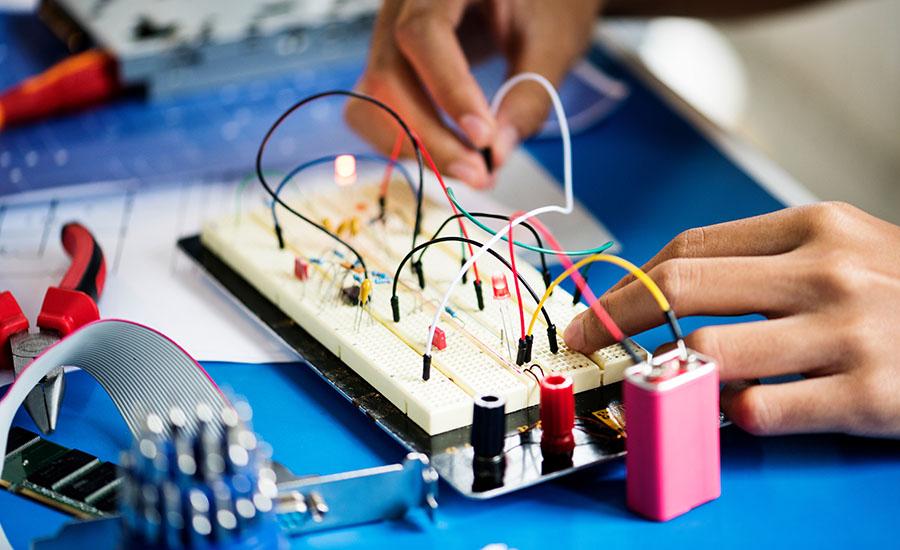
This is an overview of Electronic Circuits, using TinkerCad to learn how to change components, add wires and connect a circuit. Three online simulation lessons are provided with the option to continue