Grades:
3rd Grade, 4th Grade, 5th Grade
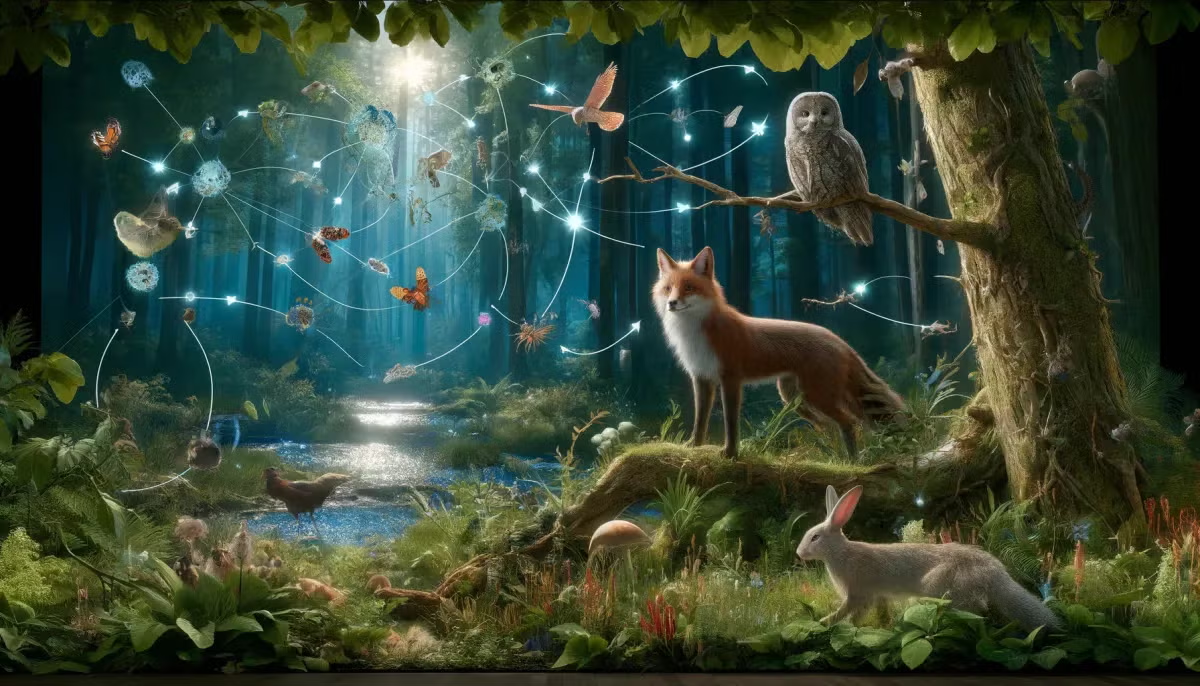
Will integrating school gardening with bird watching, building nest baskets and a bird bath using ornithology methods increase the population of birds at our site? This lesson was developed by PBL
Grades:
3rd Grade
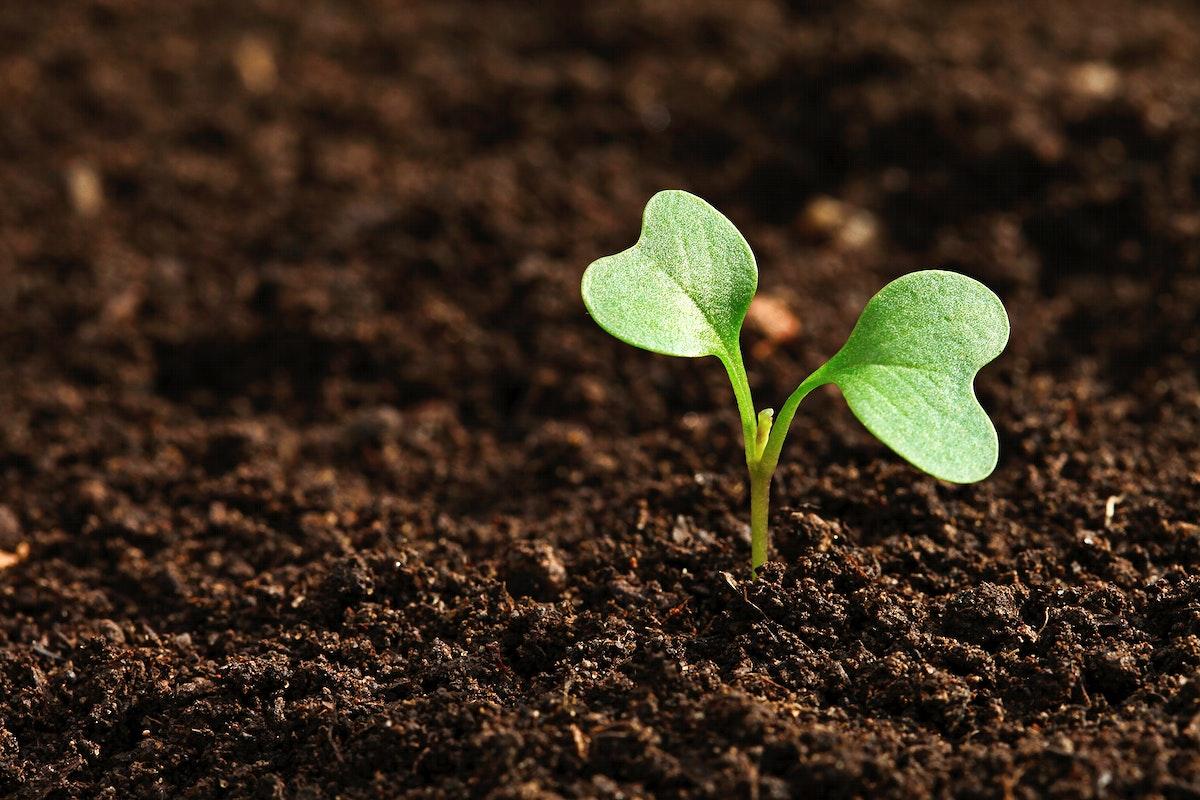
In this lesson, students will create a plant maze to observe and demonstrate how plants react to the stimulus of light (phototropism). This hands-on activity will help students understand how plants

Grades:
3rd Grade
In this lesson, students will learn about the basic principles of light reflection and how periscopes work. They will then apply this knowledge by designing and constructing their own simple
Grades:
3rd Grade
The "Three Sisters" (corn, beans, and squash) is a traditional planting method used by many Native American tribes, including those in Southern Arizona. This method involves planting these three crops

Grades:
3rd Grade, 4th Grade, 5th Grade
Harvesting “Apache Tea”-Thelesperma: How to harvest pick and boil to enjoy a herbal tea found in Northern Arizona
Grades:
3rd Grade, 4th Grade, 5th Grade, 6th Grade, 7th Grade, 8th Grade, 9th Grade
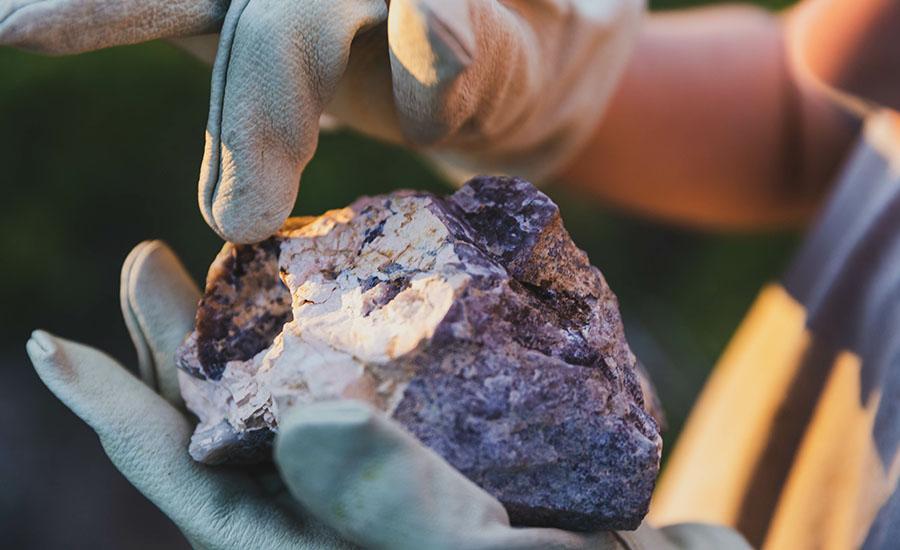
An overall view of mining, minerals, and their role in our everyday life. This lesson compares the past, present and future of mining and it's relativity to sustaining our way of life.
Grades:
3rd Grade
The lesson objective is to develop an enduring understanding of desert plants (especially cacti), conduct photosynthesis, and how their structures function to help them survive in the desert. An

Grades:
Kindergarten, 1st Grade, 2nd Grade, 3rd Grade, 4th Grade, 5th Grade, 6th Grade, 7th Grade, 8th Grade
Most students are likely familiar with popular films like Happy Feet, Surf’s Up, Penguins of Madagascar, and classic books like Mr. Popper's Penguins. Capitalizing on this familiarity with penguins

Grades:
3rd Grade
Students compare the structures and functions of traits that enable organisms to survive in a specific environment. Analyzing the traits of animals provides evidence for how those traits vary, how
Grades:
3rd Grade, 4th Grade, 5th Grade
Learn about forces and motion while reading the book Sheep in a Jeep and doing activities to determine the average distances of objects in motion.
Grades:
3rd Grade
In this hands on lesson, students learn about LED lights and why they are they better choice for the environment. After becoming familiar with LEDs, students then find out that the local Parks and Rec
Grades:
3rd Grade
This lesson plan integrates science and technology, making coding accessible and fun for 3rd graders. It helps them understand weather patterns while engaging with technology. It aligns with Arizona's

Grades:
3rd Grade
In this engaging 1.5-hour lesson, 3rd-grade students will combine Science, Technology, and English Language Arts (ELA) to create a virtual garden using Code.org. Students will learn the basics of

Grades:
3rd Grade, 4th Grade, 5th Grade
Students will modify previous versions of their Edison robots to move objects on the Mars map. Students will investigate the idea of a biosphere and use their robots to move supplies to the biosphere
Grades:
3rd Grade, 4th Grade, 5th Grade
Students will practice coding using Ed Blocks. They will use a given map as a target for their robot navigation with precision. The emphasis on this lesson is on making modifications and adjustments
Grades:
3rd Grade
The lesson plan addresses the real world problem of forest management that affects the environment and the communities. The students will build awareness of global issues related to natural resources
Grades:
3rd Grade, 4th Grade, 5th Grade, 6th Grade
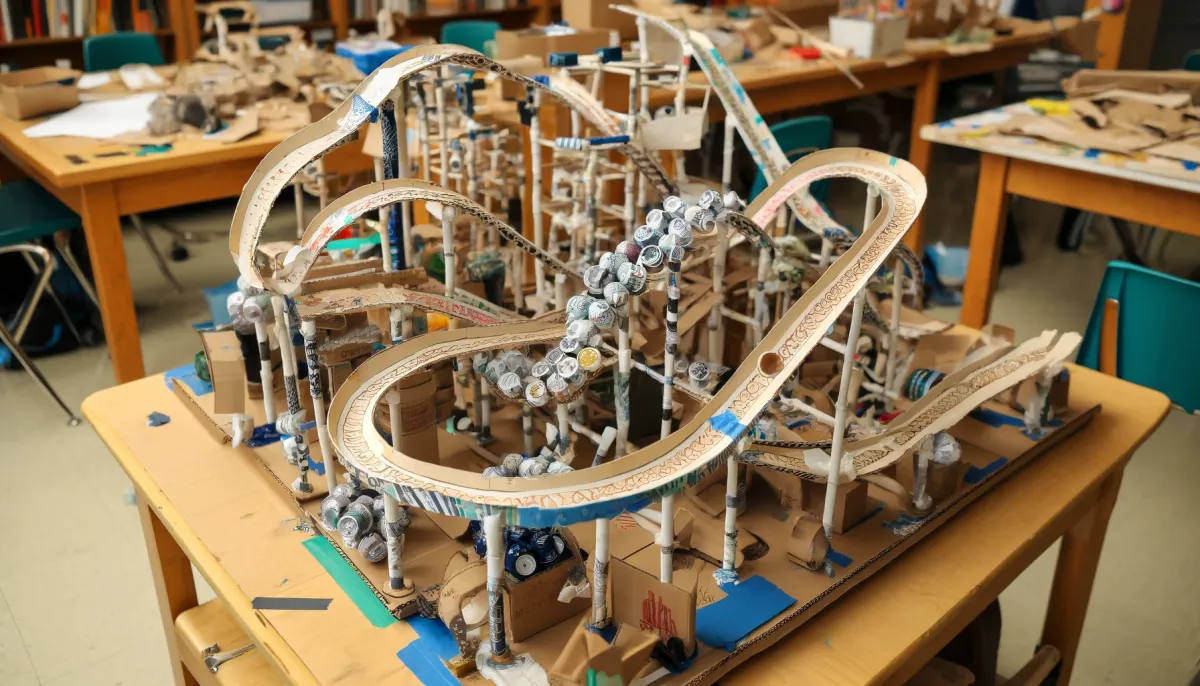
In this lesson plan, students explore the ideas of energy transfer between two objects. Students are tasked with making a maze for a marble to run through, using a 3d pen and other materials. Students
Grades:
2nd Grade, 3rd Grade, 4th Grade, 5th Grade
Groups of students will create a stable tower with a paper towel roll and other materials. They will test it with the force of a fan on its highest speed. Groups should have time to modify and retest
Grades:
Kindergarten, 1st Grade, 2nd Grade, 3rd Grade, 4th Grade, 5th Grade, 6th Grade, 7th Grade, 8th Grade, 9th Grade, 10th Grade, 11th Grade, 12th Grade
Students (or teacher) create an escape room to align with any math (or science or any subject) standards. Can incorporate various technology (chromebooks, laser pointers, etc and students will need to
Grades:
3rd Grade, 4th Grade, 5th Grade
This lesson plan is an introduction to basic coding for students in 3rd - 5th grade. There is an activity that involves no technology before they go on a computer to practice their coding skills!
Grades:
3rd Grade, 4th Grade, 5th Grade
This lesson is an intro to Cybersecurity and it helps bring awareness. This lesson helps students understand the importance of change and creating passwords secure enough so their emails or logins
Grades:
Kindergarten, 1st Grade, 2nd Grade, 3rd Grade, 4th Grade, 5th Grade, 6th Grade, 7th Grade, 8th Grade, 9th Grade, 10th Grade, 11th Grade, 12th Grade
Button makers are great additions in the classroom! But first, students should learn the history of buttons, about the button machine and how to operate it. Challenge cards provided inspire students
Grades:
3rd Grade, 4th Grade, 5th Grade, 6th Grade
In this lesson students combine science and math standards to explore the animal adaptation: camouflage. Students engage in discussion, watch a video, complete a hands-on activity, fill out a table
Grades:
Kindergarten, 1st Grade, 2nd Grade, 3rd Grade
Students will learn about the engineering design process by working in small groups to identify a problem, then design and create a solution, inspired by the main character's creativity and problem