
Graphing Lines and Finding Solutions on our Land Plot
by Carmen Honyouti
I recently extended my lesson on my homesite lease, which involves land plots on the reservation. I covered the process of designing our land plot, including drawing elements such as homes, corrals, windmills, and troughs on our land lease. I also covered how to plot the points of intersection of the structures, use these points to graph lines, and integrate the system of equations and/or systems of inequalities. After that, we analyzed the solution and made some observations based on the analysis. In the future, I plan to extend the lesson to explore the layouts of reservation towns and discuss why the communities are not well-designed compared to modern communities. I also want to delve into the history of the reservation communities and their planning.
Lesson Plan Link/URL
https://docs.google.com/presentation/d/1nTHwUBjyciH1UUH-ErNeDcUMC98VW0nWy1Mxok5…Subject Area
Science Physical Science P1: Matter Technology 4. Innovative Designer 5. Computational Thinker Engineering S3: Apply Mathematics to Engineering Mathematics Measurement and Data (MD) Geometry (G) Functions (F) Algebra (A) Reasoning with Functions and Relations (RFR) English Language Arts (ELA) Reading (Literature) Writing
Featured
Off
Related Content

Grades:
7th Grade
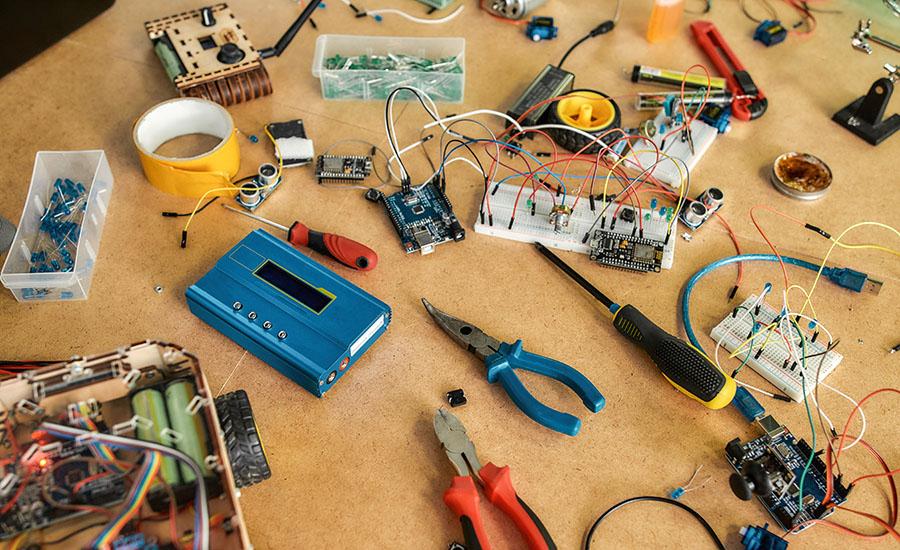
In this lesson the students will determine the factors that affect the strength of electric and magnetic forces.
Grades:
6th Grade, 7th Grade, 8th Grade
Model Building For Disaster is a 4-6 week unit in which students research natural disasters around the world and their effect on developing countries. Following their research, student teams design
Grades:
9th Grade, 10th Grade, 11th Grade, 12th Grade
Using the Introduction to Hydroponics lab, introduce students to the features of the Hydroponic Systems. Students will explore the different types of grow mediums and grow lights used in the systems