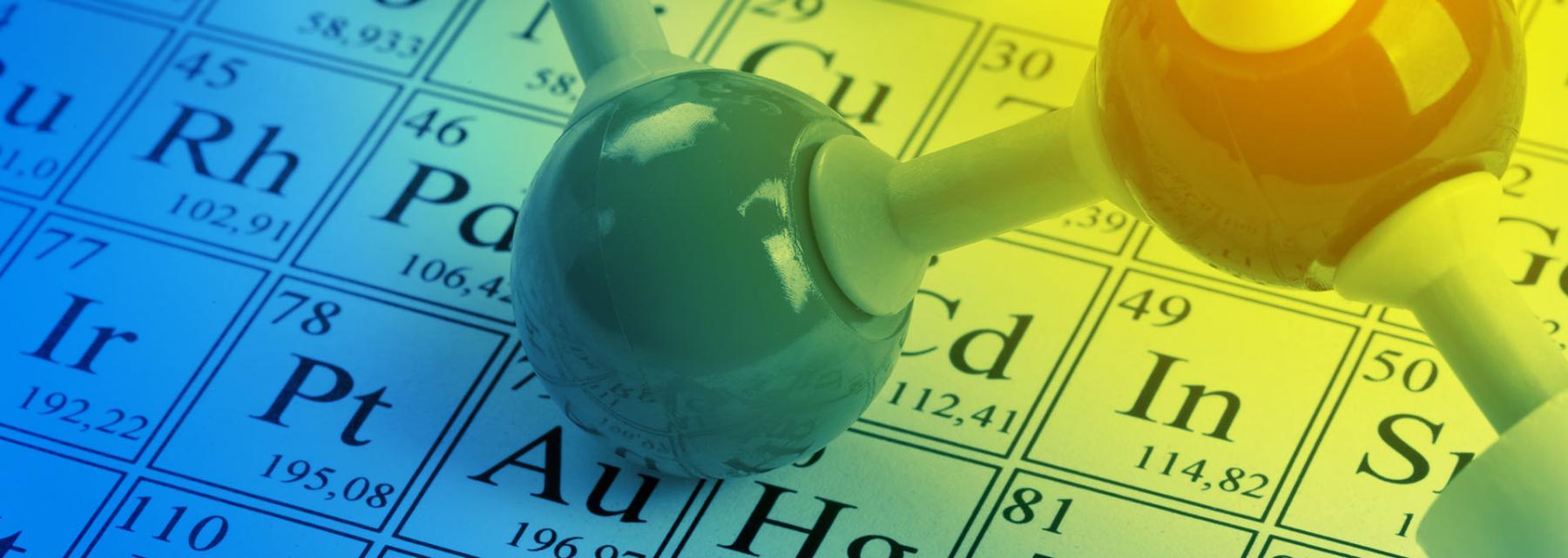
Future Thinking & Introduction to pH Indicator and Testing
by Denise Michele Hicks
In this lesson, students will first learn the importance of using reliable tools when gathering data in an experiment. When given common acidic and basic substances, students will then begin to understand how to make a hypothesis. Next, students will experiment with the pH testing methods. Thereafter, students will examine and investigate trends of pH Meters to determine how existing meters compare to pH Meters from the past. Finally, students will be asked to collaborate to create a persuasive presentation of their choice that will convince our school principal to buy one of the six best, most accurate, digital pH Meters on the market today.
Lesson Plan Link/URL
https://docs.google.com/presentation/d/1R6Ec0z-kuCj5pjBbEC0FnO8hwq1rsUI7/edit?u…Related Content

Grades:
6th Grade
In this unit, students will study the effects of acid rain and chemically engineer an environmentally friendly solution to neutralize the acid in a simulated river contaminated by factory run-off
Featured
Parachutes - Air Resistance
Grades:
6th Grade, 7th Grade, 8th Grade
This middle school lesson covers the concept of air resistance. Students work in teams of 3 with a list of materials to design, build, and test 3 parachutes that will maximize the air resistance of a
Grades:
4th Grade, 5th Grade, 6th Grade, 7th Grade, 8th Grade
Students become engineers and create a modified adaptive device after disassembling and assembling eyewear and creating a new adaptive device in this engaging lesson. This real-world problem-solving