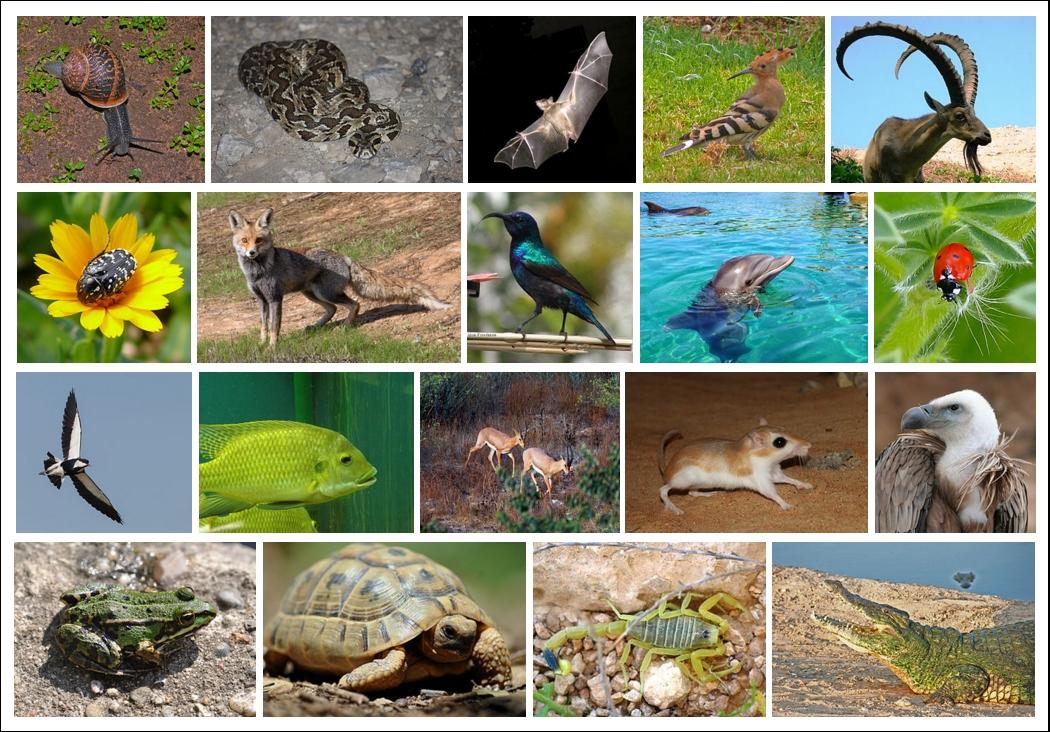
Future Bird 3000
by Alisson Suito
Students will research and understand bird evolution. They will identify the functions of body parts and ecosystems. They will predict evolutionary changes that a specific bird will go through and the future anatomy of that animal.
Students will identify forms that mimic their predicted bird sketch, using repurposed materials to solve problems and build a structure with paper mâché.
The project extension for this lesson is to write a digital story featuring the Future Bird as the main character.
Lesson Plan Link/URL
https://docs.google.com/presentation/d/138_RptDi0s6f0qpxj3Tf9DZ0R3YaSH30/edit?u…Subject Area
Science Life Science L3: Genetics & Heredity L4: Evolution Technology 3. Knowledge Constructor Engineering S6: Apply Communications to Engineering Mathematics Ratio and Proportion (RP) English Language Arts (ELA) Writing
Featured
Off
Related Content
Grades:
6th Grade, 7th Grade, 8th Grade
This is an 8-lesson unit that is designed to be used together to learn about the health and diversity of your local watershed by placing leaf packs into a water source (natural or man-made ponds
Grades:
6th Grade, 7th Grade, 8th Grade, 9th Grade, 10th Grade, 11th Grade, 12th Grade
Are your students fans of Formula 1? If they are or aren't this lesson will take a look into the dominance of Red Bull Racing in Formula 1. Why is Red Bull so dominant? Is it the driver or the

Grades:
6th Grade, 7th Grade, 8th Grade
For this lesson, students will be using the LEGO Spike Prime Kits and LEGO Mindstorm software. Students will write programs using the Color Sensor to make the Driving Base autonomous. A variety of