Biomimicry STEM Project
by Jenifer Henson
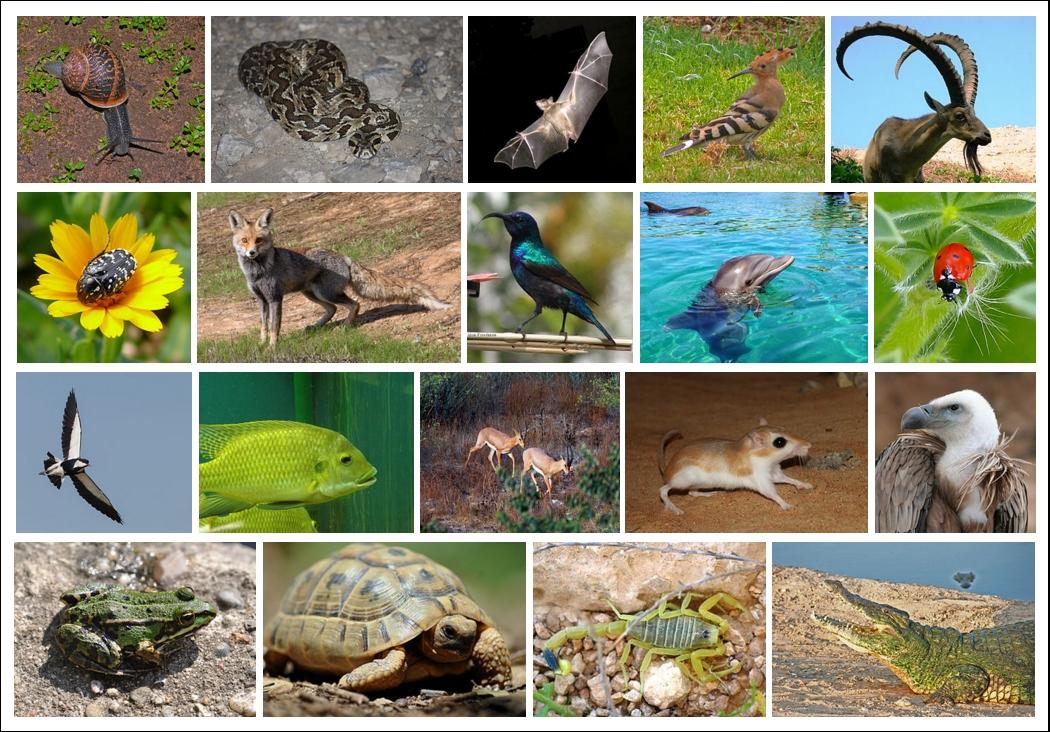
In this lesson, students will learn about biomimicry—the design and production of materials, structures, and systems modeled on biological entities and processes. Students will explore examples of biomimicry in everyday life, then apply the engineering design process to create their own invention inspired by nature.
By the end of the lesson, students will be able to:
Define biomimicry and explain its importance in STEM innovation.
Identify real-world examples of inventions inspired by nature.
Apply the engineering design process to solve a problem using biomimicry.
Create and present a prototype inspired by a plant or animal adaptation.
Lesson Plan Link/URL
https://docs.google.com/presentation/d/1-qOpcspq9l6dgBF26VJvpJPGzy5il17z/edit?u…Subject Area
Science Life Science Technology 3. Knowledge Constructor 4. Innovative Designer 6. Creative Communicator 7. Global Collaborator Engineering S1: Engineering & Global Society S2: Apply the Engineering Design Process English Language Arts (ELA) Reading (Informational Text)
Featured
Off
Related Content

Grades:
3rd Grade, 4th Grade, 5th Grade, 6th Grade, 7th Grade, 8th Grade, 9th Grade
Engineers often create small-size models of a new product to test its design. This is especially true with airplanes. Model testing tells engineers how a design responds to different air conditions
Grades:
6th Grade, 7th Grade, 8th Grade, 9th Grade, 10th Grade, 11th Grade, 12th Grade
Are your students fans of Formula 1? If they are or aren't this lesson will take a look into the dominance of Red Bull Racing in Formula 1. Why is Red Bull so dominant? Is it the driver or the
Grades:
7th Grade, 8th Grade, 9th Grade, 10th Grade, 11th Grade, 12th Grade
This lesson is a whole unit on energy. It can be broken up into 10 separate lessons. I chose to put them all together so that it was easier to see how I organized them so you did not have to search