
Grades:
6th Grade
Students will explore the phenomenon of length of day that is created by Earth's tilt on its axis in relationship to its orbit around the sun. Students will collect and analyze data about the length
Students will explore the phenomenon of length of day that is created by Earth's tilt on its axis in relationship to its orbit around the sun. Students will collect and analyze data about the length
This lesson uses a PhET Simulation to allow students to collect data on the orbits of planets around our Sun, then summarize and share their results. It is designed for students in Grades 9-12.
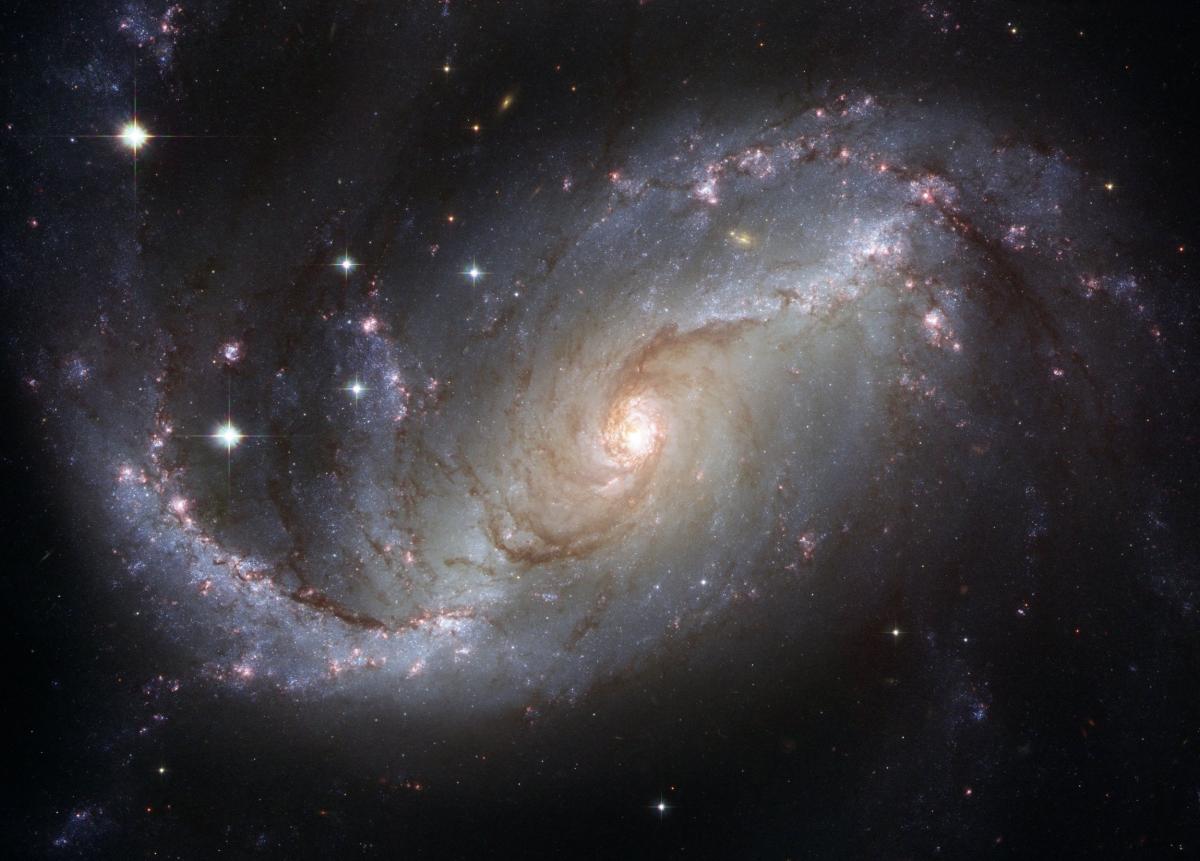
The students construct and interpret an HR Diagram to better understand the significance and usefulness of the diagram.
This is a high-school level hands-on project that allows students to build their own working sundial, make predictions and assess their accuracy. This lesson ties in with the study of Kepler's Laws.
I use this lesson as a fun activity to visualize unit conversions and the immense scale of the universe. I love this lesson because I find it challenging to teach unit conversions with hands-on

In this lesson, students will first learn the importance of using reliable tools when gathering data in an experiment. When given common acidic and basic substances, students will then begin to
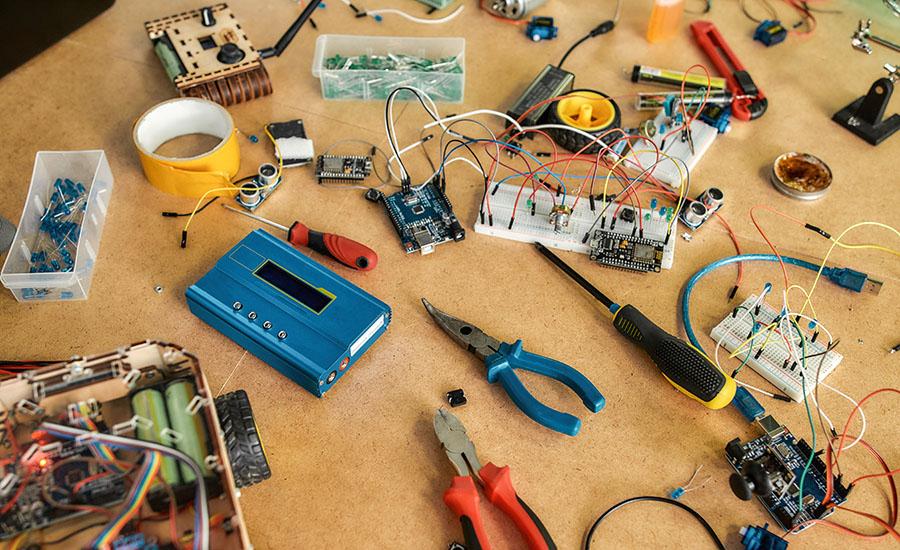
In this lesson, students will design and create a model of a moon lander that can land smoothly on the surface of the moon. Students will learn about the mission to the moon and how engineers designed

In this engaging lesson, students will design and build a Mars Resource Transport (basically a wagon) on wheels and axles. They have to meet build criteria based on volume and a budget for resources