Grades:
3rd Grade
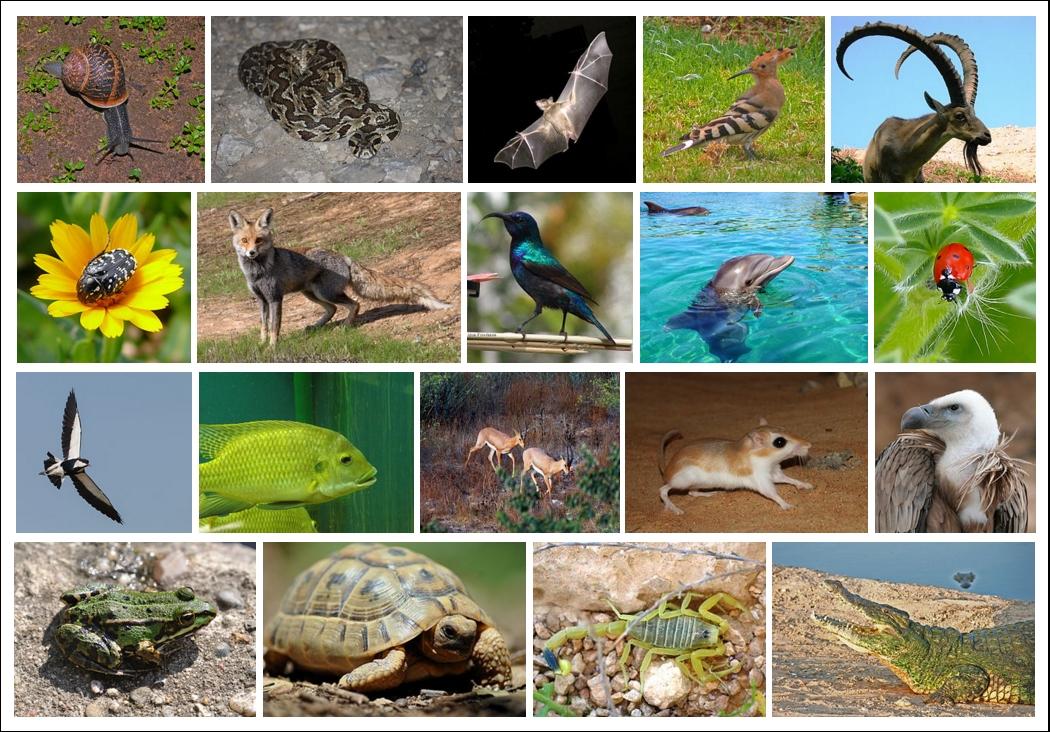
Students will be able to recognize that living things are made up of parts. Different animals use their body parts in different ways to see, hear, grasp objects, protect themselves, move from place to
Students will be able to recognize that living things are made up of parts. Different animals use their body parts in different ways to see, hear, grasp objects, protect themselves, move from place to
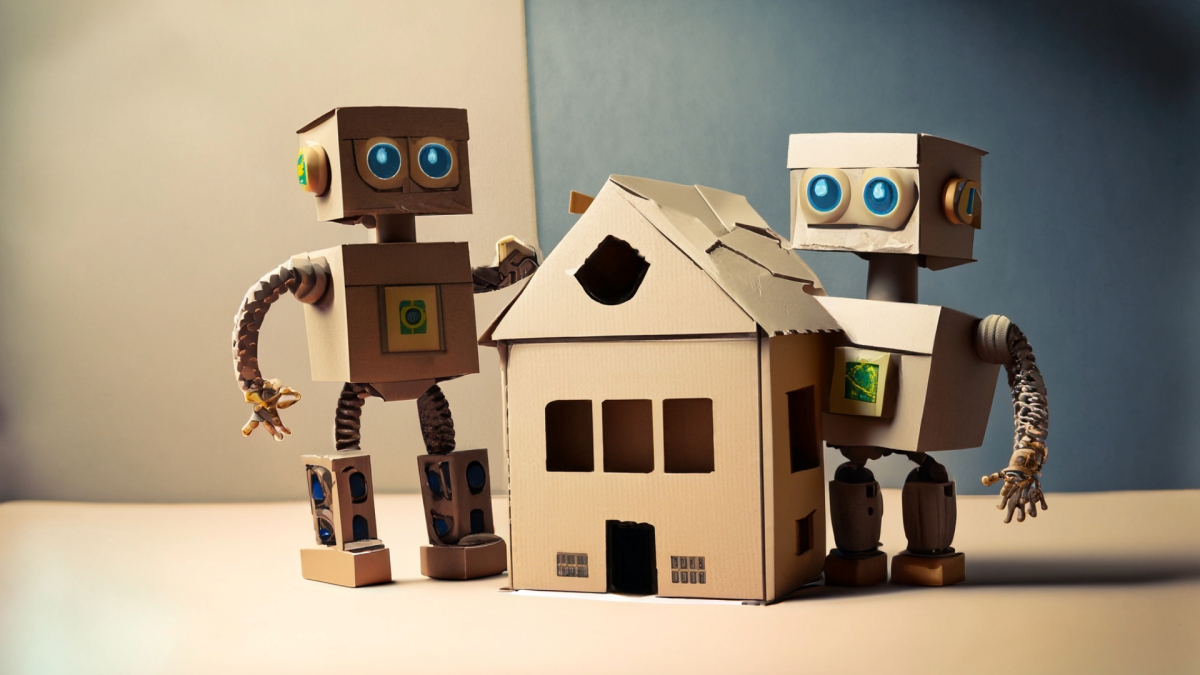
Students will learn about hibernation and adapting to the winter cold. They will build shelters with different insulating materials so that their animals do not get cold. They will then do a gallery
Students will be able to utilize multimedia resources, such as online simulations and interactive videos, to explain the process of natural selection and provide examples of how it leads to species
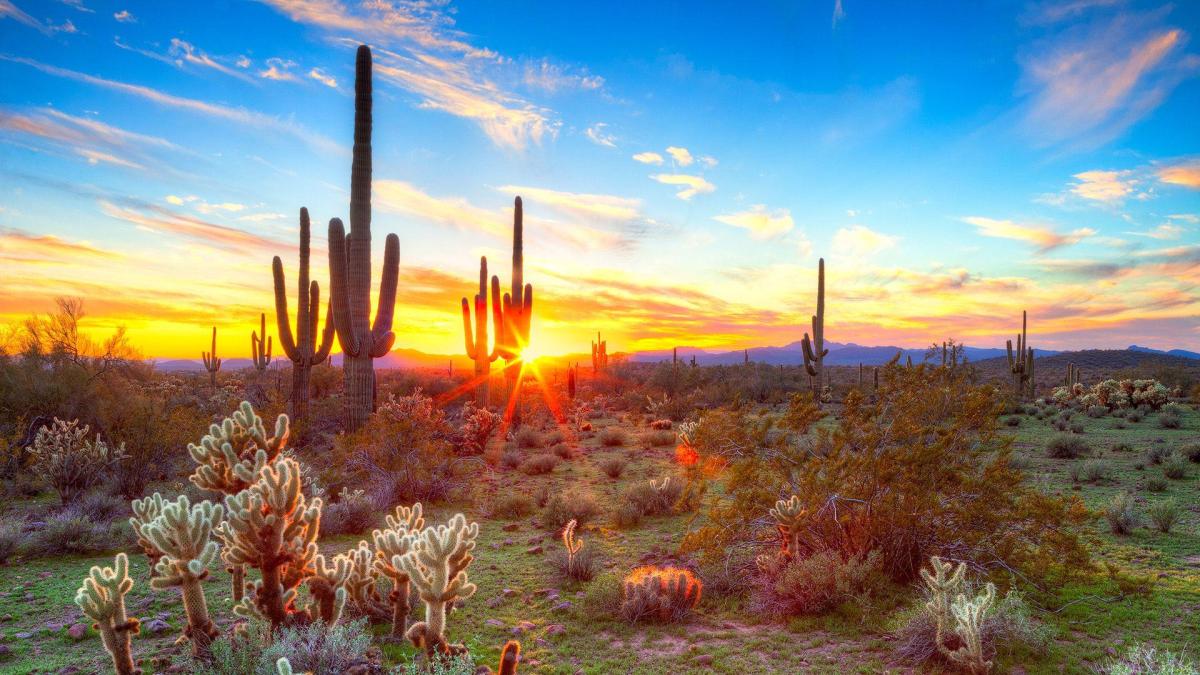
Teach students about the unique and amazing structures of plants and animals in the Sonoran Desert. Students will learn about how specific structures help animals and plants survive the unique
Beautiful Biomes! In this project, students from the 4th and 6th grades will collaborate and explore the science standards of Arizona. The project's main focus is to study the impact of human
In this project, students from the 4th and 6th grades will collaborate and explore the science standards of Arizona. The project's main focus is to study the impact of human activities on the
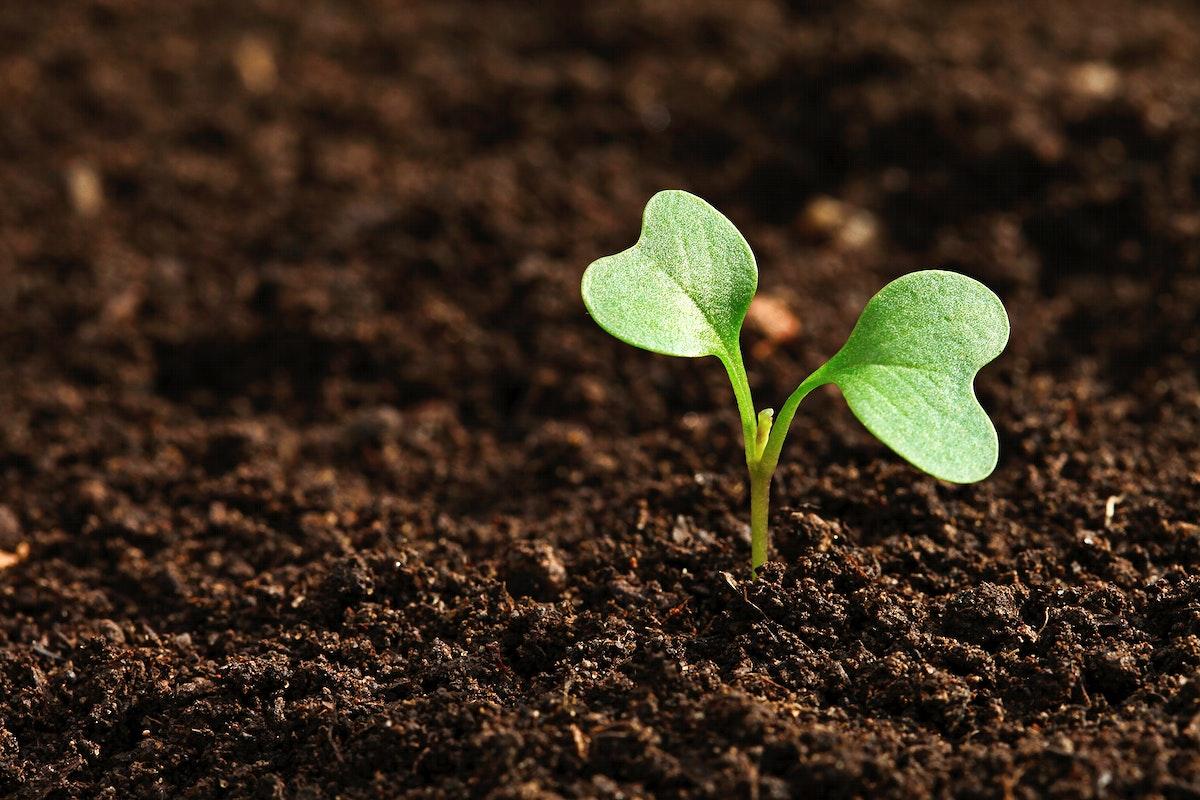
In this hands-on lesson, students learn about and explore plant adaptations through various readings and pictures of plant adaptations. They study Venus Flytraps specifically and labels the different
This is lesson 6 of the Life Science Unit. Students engage in various learning opportunities. #1 Objective: I can count and graph camouflage animals. #2 Objective: I can camouflage a butterfly. #3
Students will color a penguin with crayons and then spray water on their artwork. They'll observe how the water repels off of their paper. Discuss with students how the wax from the crayons keeps the