Grades:
5th Grade
This lesson includes various activities involving the investigation of why the moon changes shapes. It is a hand's on lesson about how and why the moon phases occur. It also includes a design and
This lesson includes various activities involving the investigation of why the moon changes shapes. It is a hand's on lesson about how and why the moon phases occur. It also includes a design and
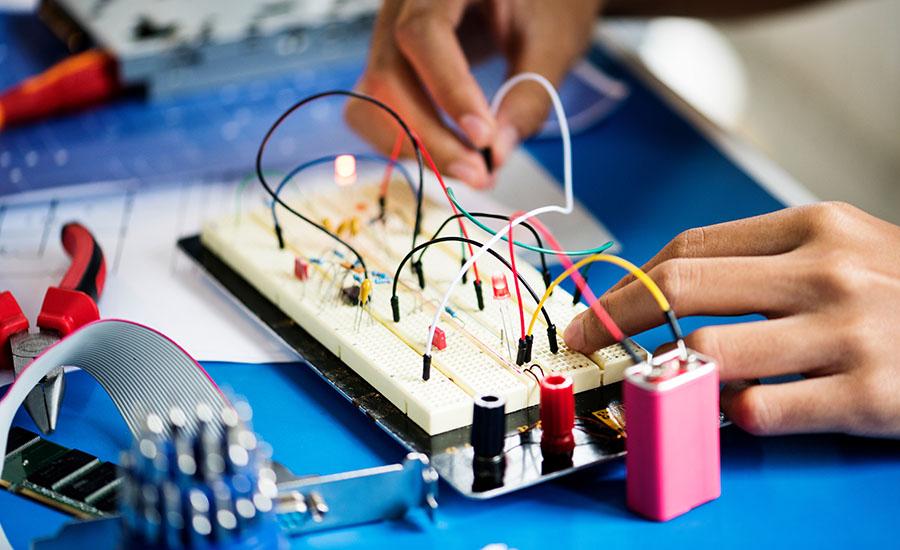
This engaging lesson is designed for students to derive the rules for circuits in series by experimenting with different variables in simple circuits in series using the PhET DC Electricity simulation
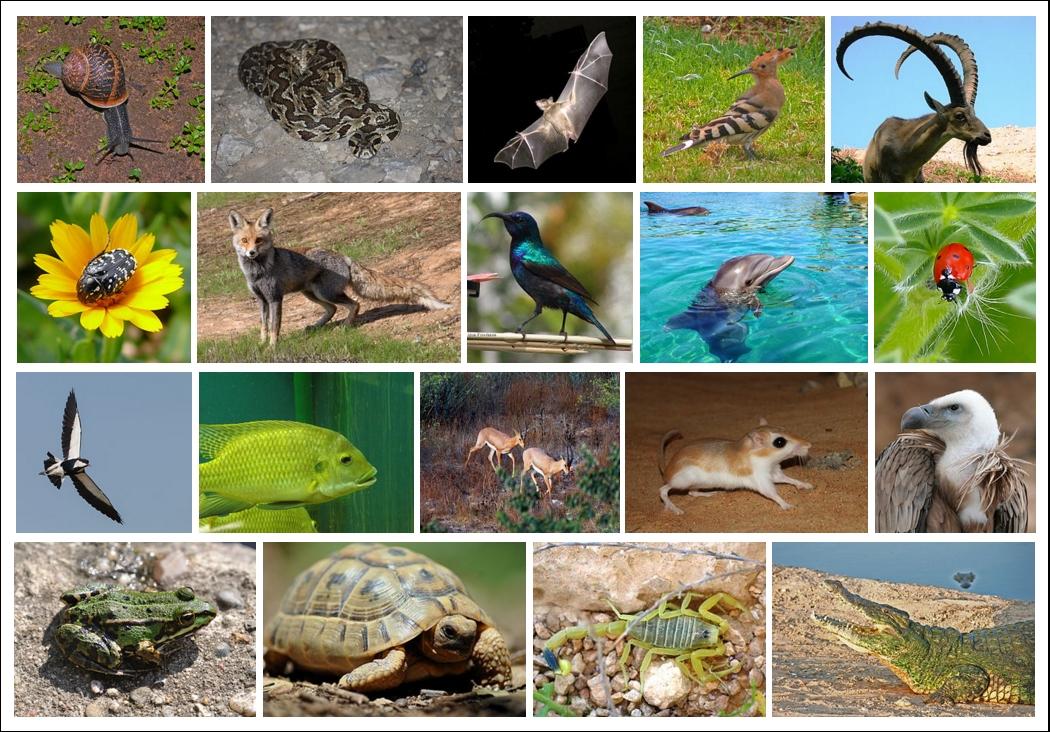
This project sets students up to explore animal anatomy and physiology with the idea of replacing a lost appendage (beak, leg, tail, fin, etc.) This is used in small groups of 2 or 3 over the course
In this lesson, students use a pHet simulation to derive Ohm's law. Students will be able to describe Ohm’s law with a formula and through written expression.
Students will use evidence from an investigation to model and explain how thermal expansion of land and sea ice impact the sea level. They will quantify the impact of land ice melt and thermal

In this lesson, students are challenged to design and test a windsock that can tell the direction and relative speed of the wind.
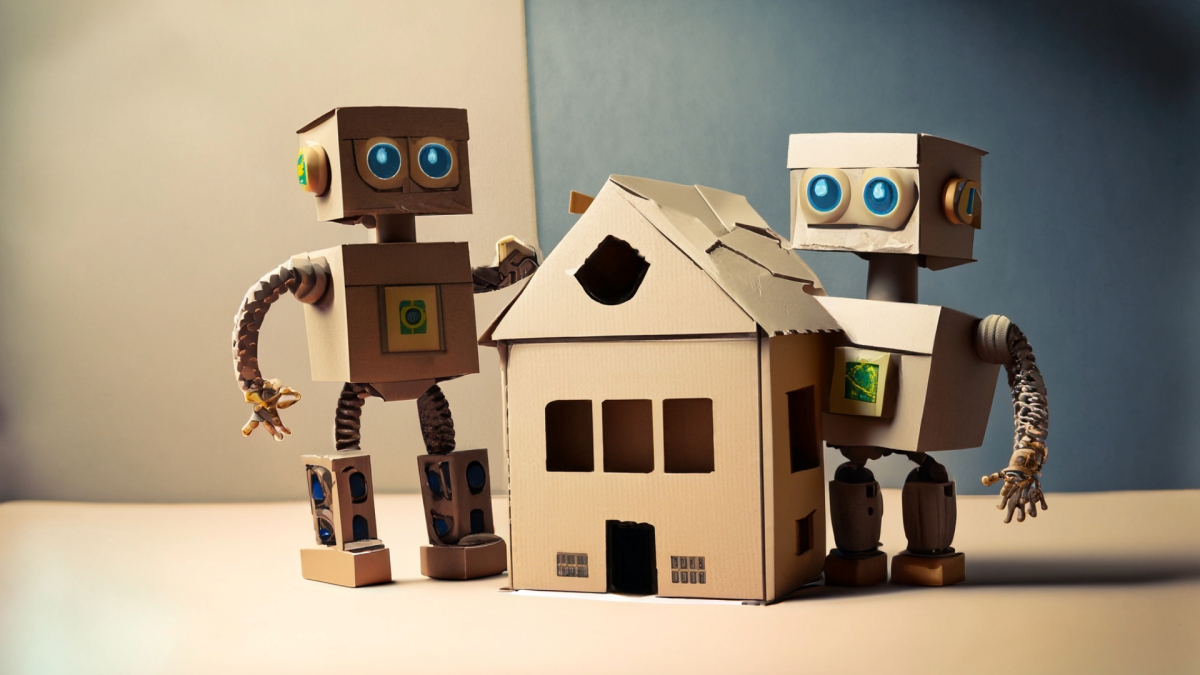
In this lesson, students are to use simple materials to create a structure that holds weight. It must be able to stand on its own. Students will first study and discuss gravity.
After students collected authentic data from their class and defined the problem related to trash, students follow through with solving the problem using the engineering process. In the second half of
Students work their way through the first two parts of the engineering process in order to get a deeper understanding of an environmental problem- trash. The Great Pacific Garbage Patch is certainly