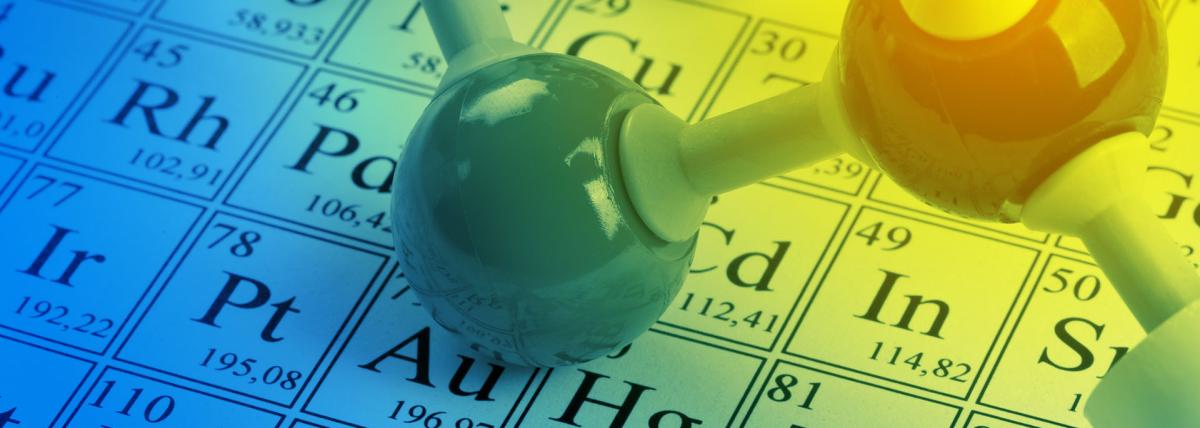
Lesson explores compounds, mixtures and solutions, defining each and what distinguishes them from each other. Students complete a lab as an introduction, use a PowerPoint to refine their knowledge and
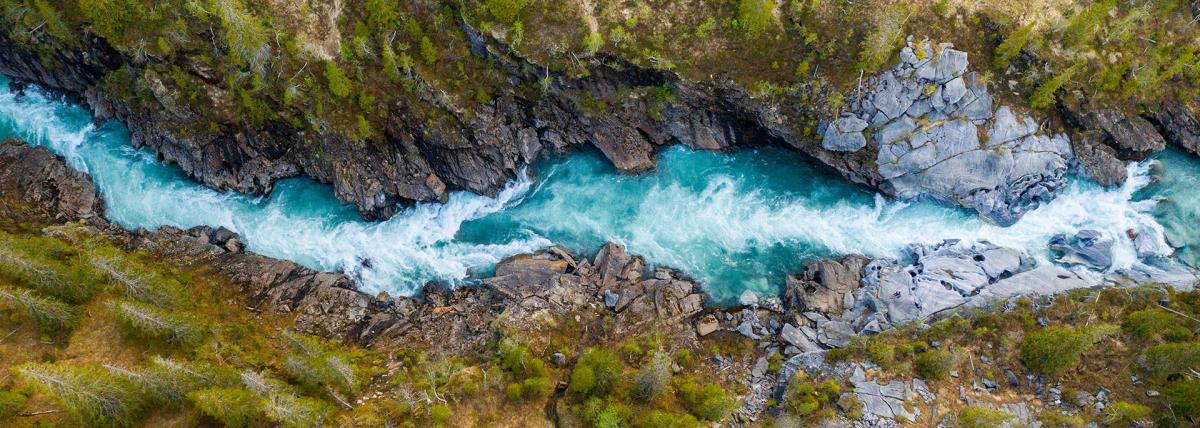
A lesson to teach students how to collect, organize, interpret data, make inferences, raise awareness, and suggest possible solutions on the water quality of the waterbodies in the state of Arizona.
This lesson is intended to be the second lesson within a series. After the first lesson, exploring the transfer of power within a system, Students utilize this lesson, lesson 2, to explain how and
The goal of this engaging science lesson is to deepen students' understanding of magnets, electromagnetic forces, and their practical applications in real-world technology. Aligned with the 7.P2U1.1
Predicting the pH of an experiment - this is a more of an advanced lab for students that have lab experience or can be used as a demonstration by the teacher. Calculating Molarity. Great pre-lesson to
Students have the opportunity explore different materials that use nanotechnology and then discuss the key differences between macroscale and nanoscale impacts on those materials.
Students are introduced to the concept of nanotechnology with a small group research activity about the different industries using nanotechnology.
This is a hands-on activity where students can visualize, using Skittles as atoms, the concept of balancing chemical reactions. Many students get thrown off by the fact that products often look, smell
Students learn about photochemical reactions which are chemical reactions that require light as activation energy. Students create ball and stick models to recreate sample photochemical reactions