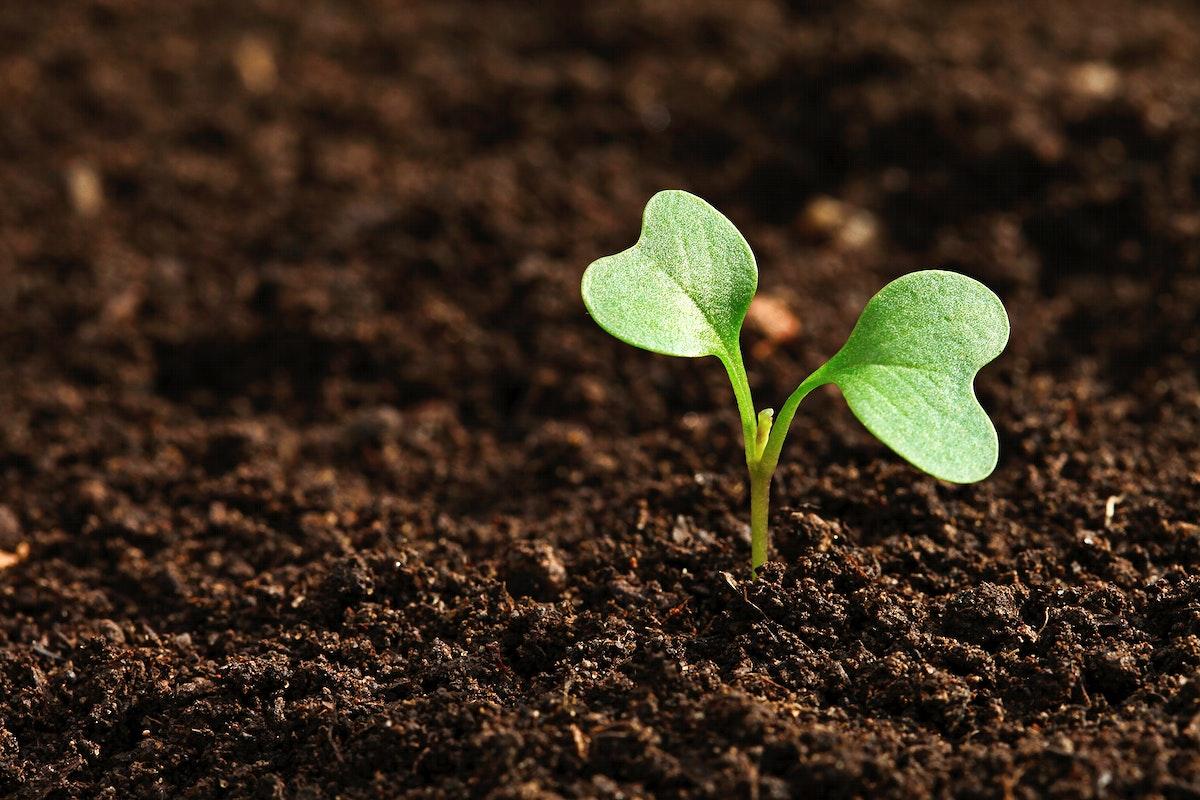
Grades:
5th Grade
This is a series of lessons where students will observe natural activities in the garden for five days. From the observation, they will identify the factors that have high probability of causing
This is a series of lessons where students will observe natural activities in the garden for five days. From the observation, they will identify the factors that have high probability of causing
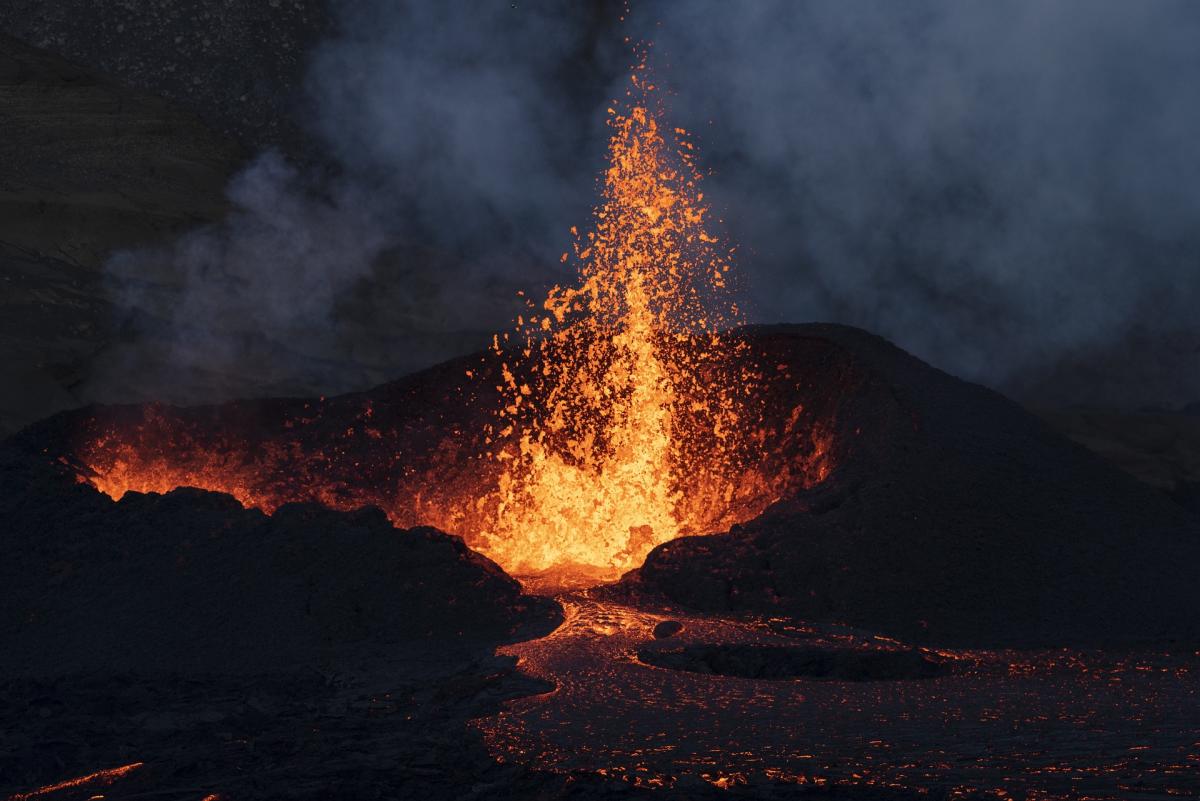
In this lesson students analyze clues that help them make a claim about a phenomenon they are introduced to- a video of ash and debris-filled water rushing down a forest hill in Flagstaff. Students go

This lesson teaches how to give and receive constructive feedback by using a group carousel feedback format, and how to create a compelling presentation using Keynote, Google Slides, or PowerPoint.
In this lesson, students will apply the knowledge of calculating volume to determine the amount of soil they need to fill their planters. They will also use their skills to multiply and divide the
This is a series of lessons that discusses the process and factors that may affect and may not affect seed germination. This also builds the background of the students about the needs of the plants

Context: This lesson takes place in a classroom for two or more class periods Students may work in small groups of 2-4. An emphasis on the experiment of making an indestructible Edison robot Creative
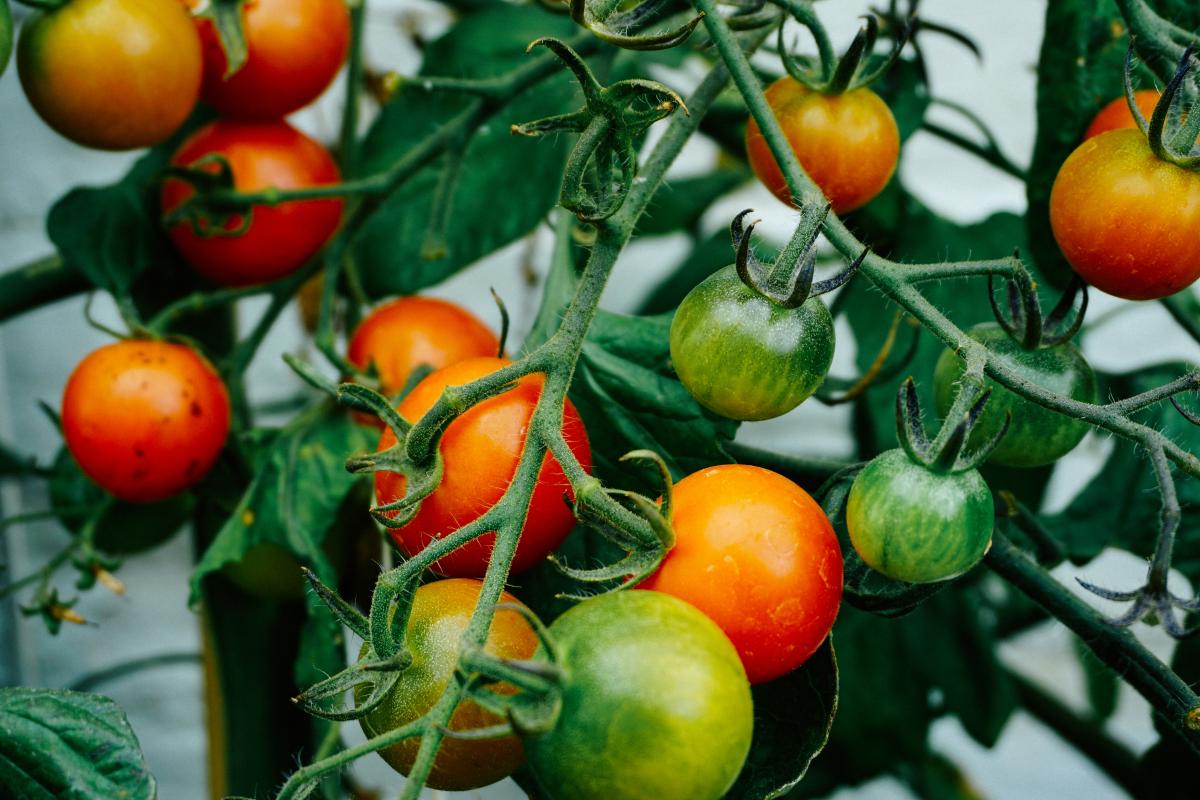
Students will begin the year working with a hydroponics system to observe plant growth. To start the students will be given a seedling and determine what the plant is as it goes through the life cycle

Rad Roller Coasters Part 2 comes at the end of our paper roller coaster project. Students will collect data on their coaster and use that to calculate velocity, potential energy and kinetic energy