Grades:
1st Grade
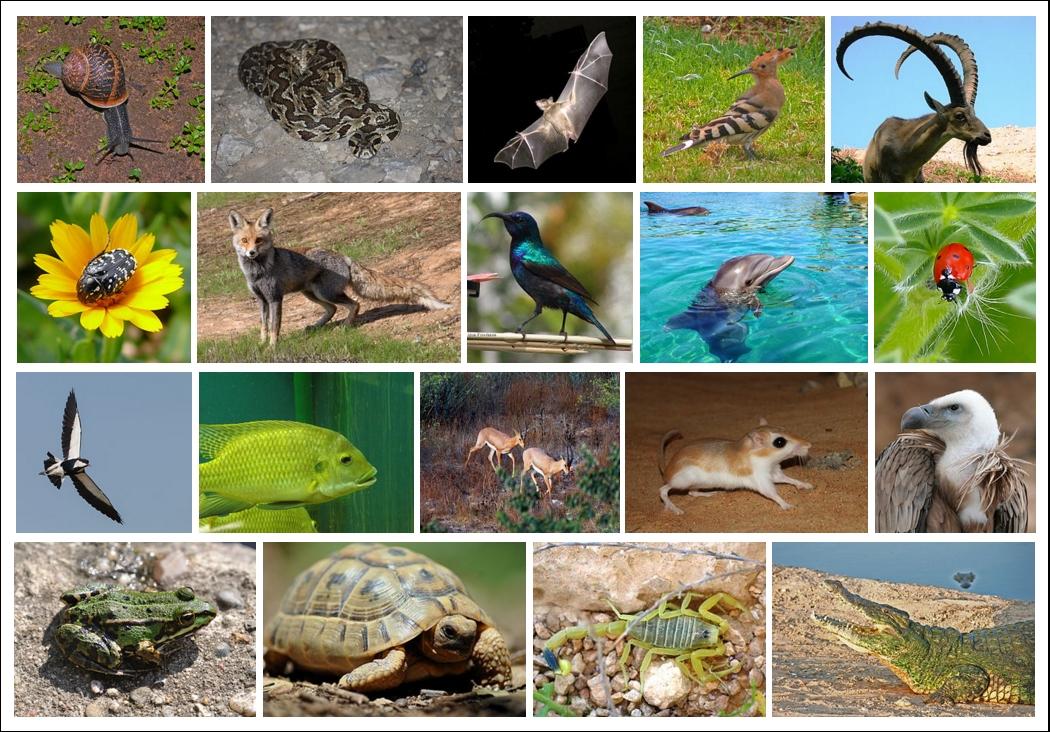
This is lesson 4 of the Life Science Unit. Students will evaluate and identify how the features of a young animal offspring and parent are similar (not identical) and different. They will code the
This is lesson 4 of the Life Science Unit. Students will evaluate and identify how the features of a young animal offspring and parent are similar (not identical) and different. They will code the
This engaging lesson is the 2nd lesson in a series of 2 focused on data science inquiry. Students use their My Data Portraits from Lesson 1 for data collection, analysis, presentation, reflection and

In this lesson, students will learn about the different types of flying machines and differentiate between them and identify the different parts of a drone. They will also learn about their functions.
Students use GIS and analyze another digital map before constructing a model to explain human impacts on different biomes across the globe.

Students create an animated model of a Mars mission lander or rover landing on Mars. Students learn and demonstrate basic Google slide skills of inserting images and text, changing slide backgrounds
This is a four part STEM project that incorporates several of the fifth grade math & science standards. Time allowance is one-two weeks. Students are given the opportunity to research an animal
This 2-Day STEM lesson takes place in a science classroom after students have explored the sun and solar system (including our planet, the moon, and asteroids), and is intended to focus on
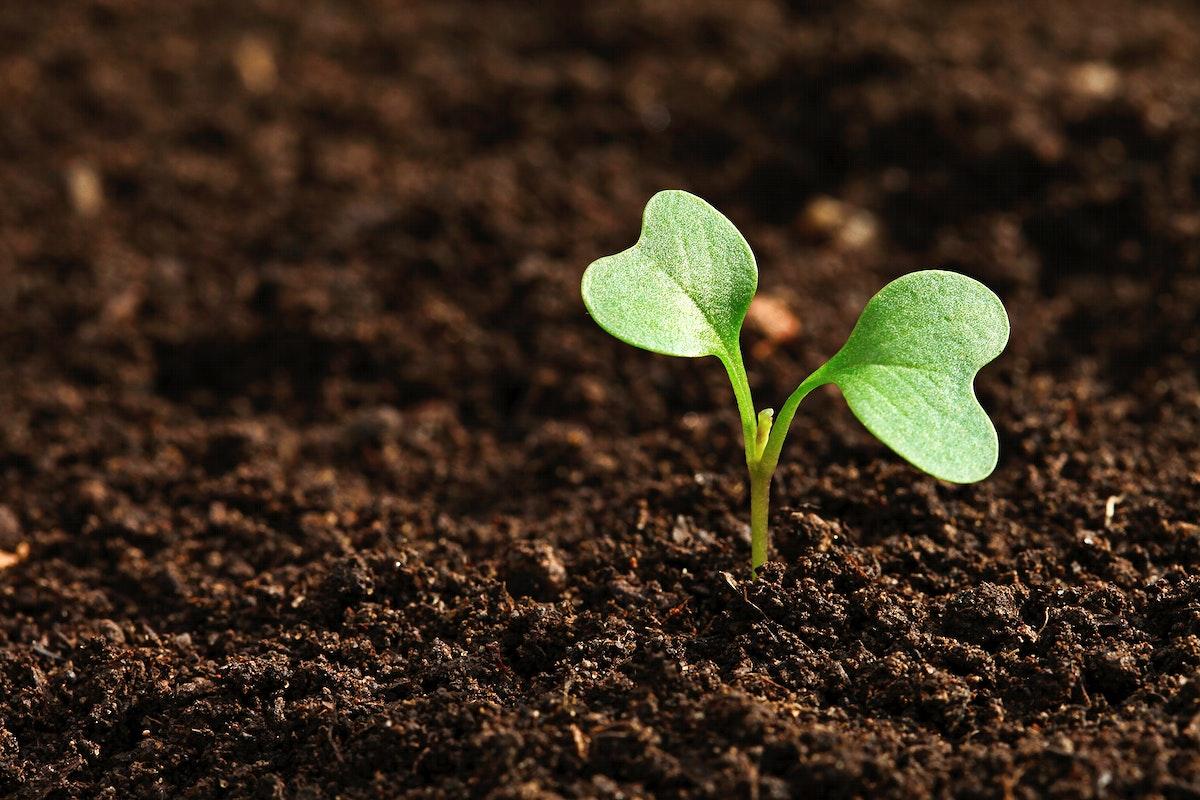
Using "The Yummy Alphabet Book" as a read aloud/ discussion starter, students will investigate the growth and taste of cilantro by growing it from seed to compare/contrast the function, size, and
Students will learn about the three pillars of sustainability through their quail farm. They will incubate, raise and restock their quails in order for them to be sustainable regardless of what