Grades:
7th Grade, 8th Grade, 9th Grade, 10th Grade, 11th Grade, 12th Grade
This lesson is a whole unit on energy. It can be broken up into 10 separate lessons. I chose to put them all together so that it was easier to see how I organized them so you did not have to search
Grades:
4th Grade
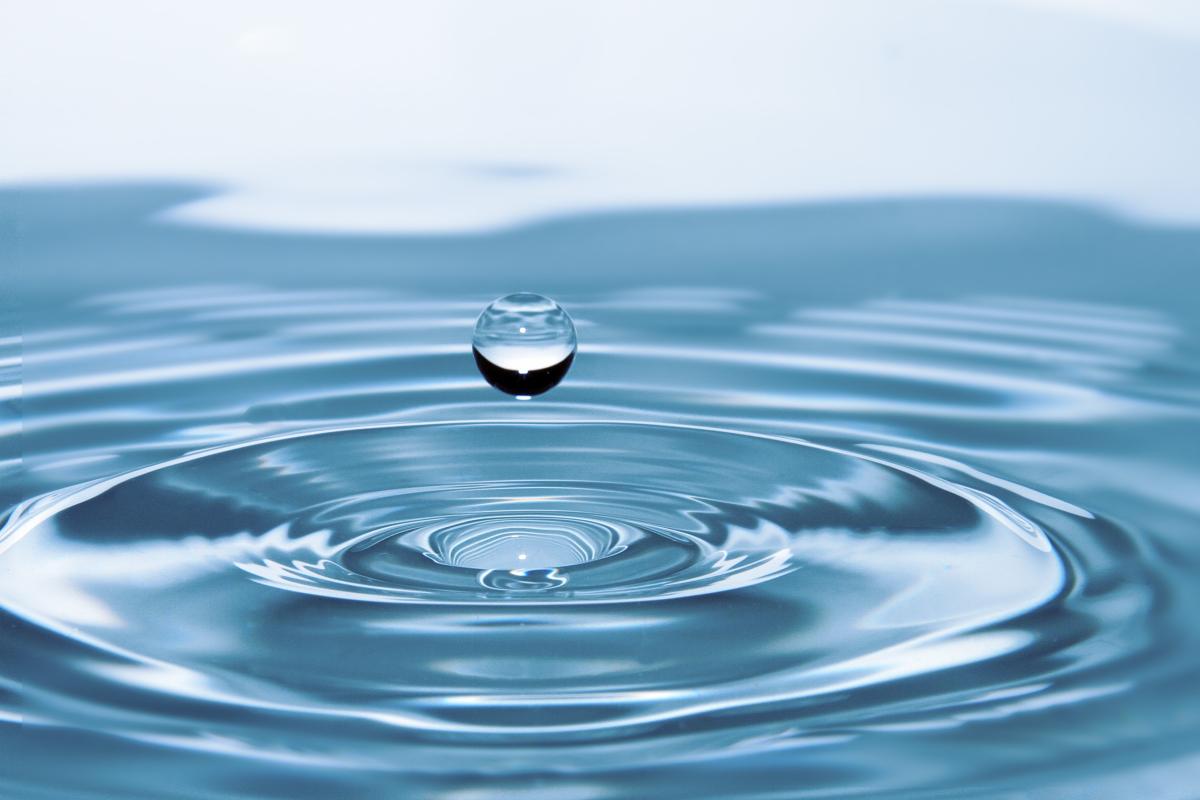
Students will come up with and perform an investigation for the phenomenon that dropping a rock into a puddle makes a different reaction than throwing it. Students will drop a ball into a cup or
Grades:
3rd Grade, 4th Grade, 5th Grade, 6th Grade
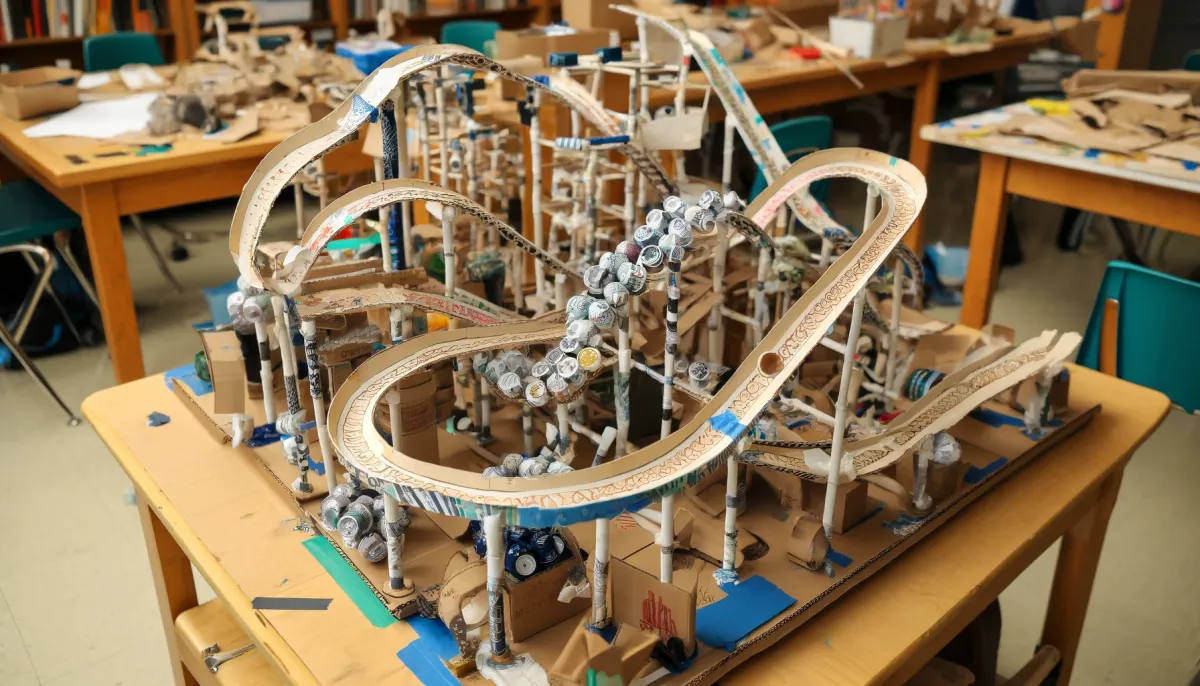
In this lesson plan, students explore the ideas of energy transfer between two objects. Students are tasked with making a maze for a marble to run through, using a 3d pen and other materials. Students
Grades:
8th Grade, 9th Grade, 10th Grade, 11th Grade, 12th Grade
A lesson that dives into the fusion of Art and Chemistry. Students will make their own pigments using common plants by using an acid-base reaction. They will test the effects of different solvents in

Grades:
7th Grade, 8th Grade, 9th Grade, 10th Grade, 11th Grade, 12th Grade
This lesson is designed to help students learn how to critically evaluate sources of information, a crucial skill for conducting independent STEM projects. The lesson uses the Baloney Detection Kit
Grades:
2nd Grade, 3rd Grade, 4th Grade, 5th Grade
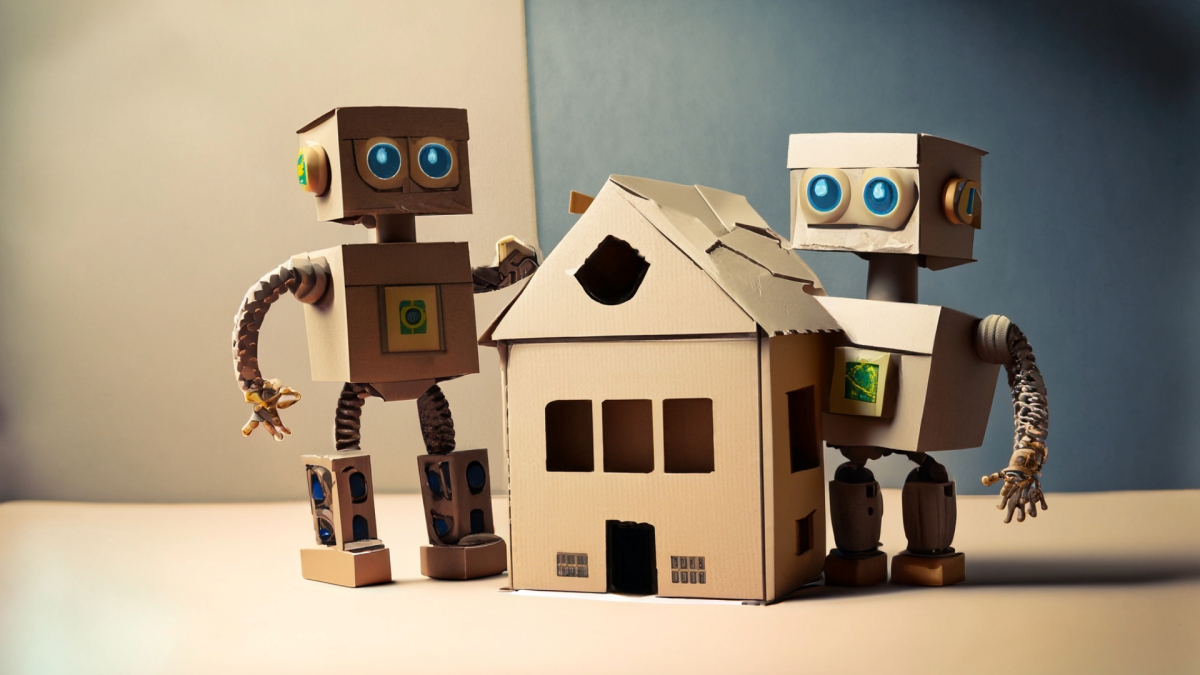
Groups of students will create a stable tower with a paper towel roll and other materials. They will test it with the force of a fan on its highest speed. Groups should have time to modify and retest
Grades:
4th Grade, 5th Grade
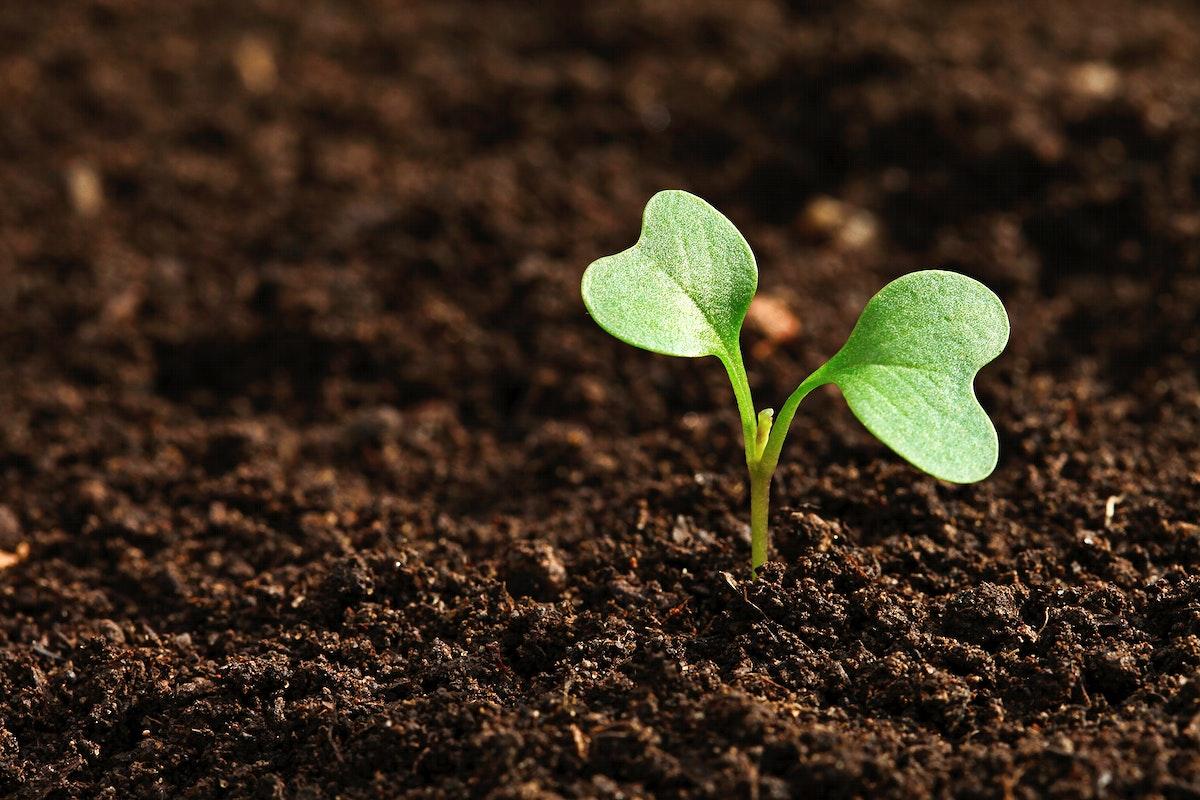
In this lesson, we will learn about different methods for growing potatoes, as the pioneer farmers would have needed to test during the time of the settlers in the United States and Westward Expansion

Grades:
6th Grade, 7th Grade, 8th Grade, 9th Grade, 10th Grade, 11th Grade, 12th Grade
This lesson is designed to encourage students to explore their interests and pursue their passions while diving into the world of STEM. This lesson takes place in a classroom for one semester. 1 hour
Grades:
7th Grade, 8th Grade, 9th Grade, 10th Grade, 11th Grade, 12th Grade
Students will investigate different counting methods to find out total number of outcomes to be applied in probabilities. They will learn about fundamental counting principle, permutations, and
Grades:
8th Grade, 9th Grade, 10th Grade, 11th Grade, 12th Grade
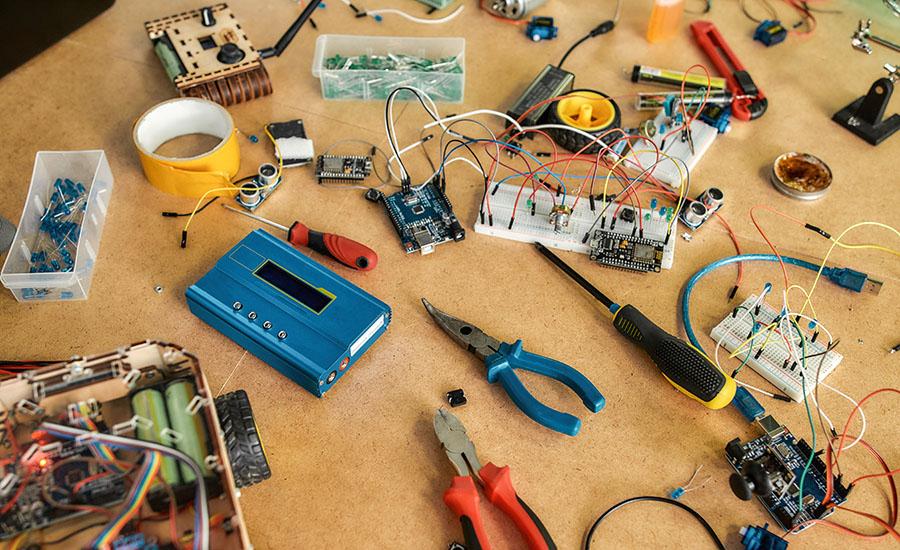
A lesson designed for an engineering course but that can be used in a science course where we investigate the physics of waves and how it can be applied to the world of art. Students will design and
Grades:
4th Grade, 6th Grade
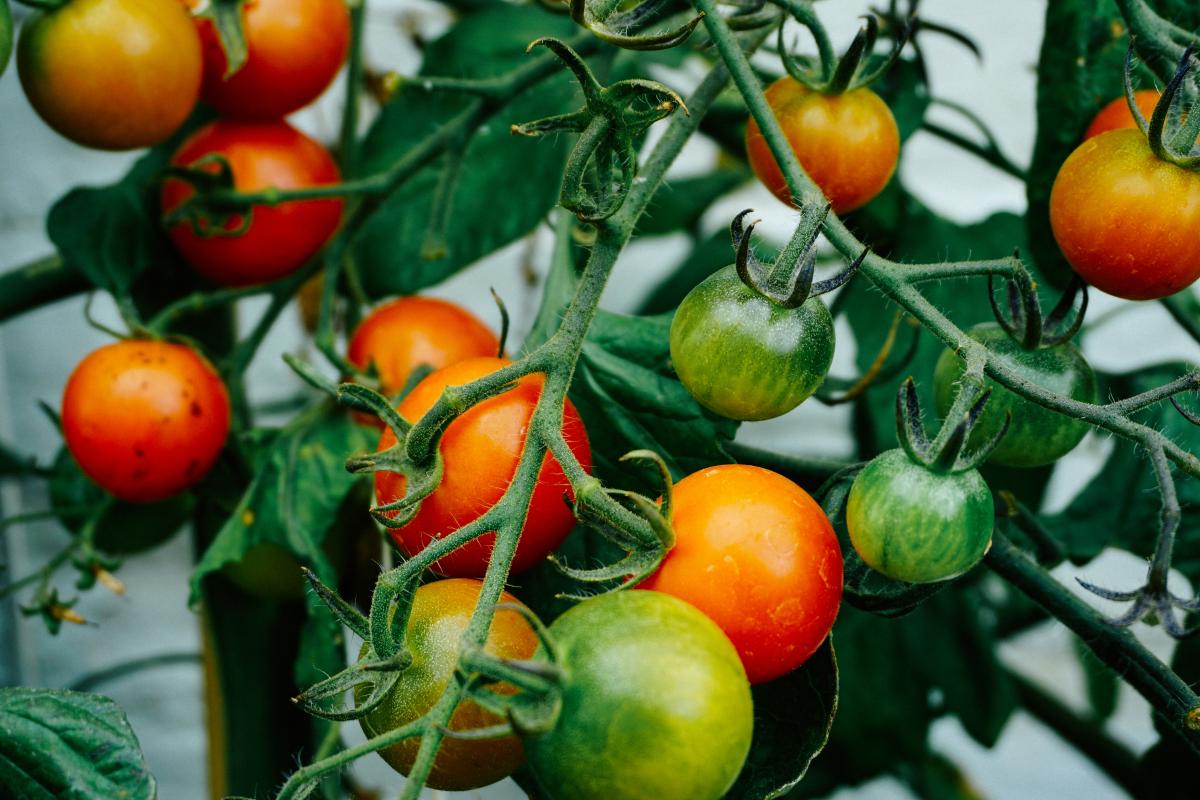
After learning about the cycling of water and understanding that natural resources are limited, students use biomimicry to design their own water capturing system. Students begin by learning about the
Grades:
4th Grade
What is a tessellation? How do you know if an image is a tessellation, truly? In this lesson, 4th grade students will engage in an examination of images to identify whether or not they are
Grades:
8th Grade
A lesson plan applying the concept of Pythagorean theorem in the context of engineering and design through creating a floor plan of their own dream house.
Grades:
7th Grade, 8th Grade, 9th Grade, 10th Grade
Students can now use Desmos on standardized testing such as the Arizona State Test and even ACT testing. Student will develop their analysis skills using Desmos to visualize data and create math model
Grades:
7th Grade, 8th Grade
Students will learn cardboard construction through brainstorming, planning, building, and presenting creative projects, focusing on teamwork, structural integrity, and problem-solving over three class
Grades:
Kindergarten, 1st Grade, 2nd Grade, 3rd Grade, 4th Grade, 5th Grade, 6th Grade, 7th Grade, 8th Grade, 9th Grade, 10th Grade, 11th Grade, 12th Grade
Students (or teacher) create an escape room to align with any math (or science or any subject) standards. Can incorporate various technology (chromebooks, laser pointers, etc and students will need to

Grades:
8th Grade, 9th Grade, 10th Grade
Students use what they know about similar triangles to create a problem. They will use laser pointers and a small mirror to create a problem requiring students to point the laser beam at the mirror to

Grades:
3rd Grade, 4th Grade, 5th Grade
This lesson plan is an introduction to basic coding for students in 3rd - 5th grade. There is an activity that involves no technology before they go on a computer to practice their coding skills!
Grades:
3rd Grade, 4th Grade, 5th Grade
This lesson is an intro to Cybersecurity and it helps bring awareness. This lesson helps students understand the importance of change and creating passwords secure enough so their emails or logins
Grades:
6th Grade, 7th Grade, 8th Grade
Students will learn the importance of clear, precise communication by directing a partner to navigate a drone through an obstacle course. This exercise will draw parallels to writing clear and
Grades:
8th Grade, 9th Grade, 10th Grade, 11th Grade
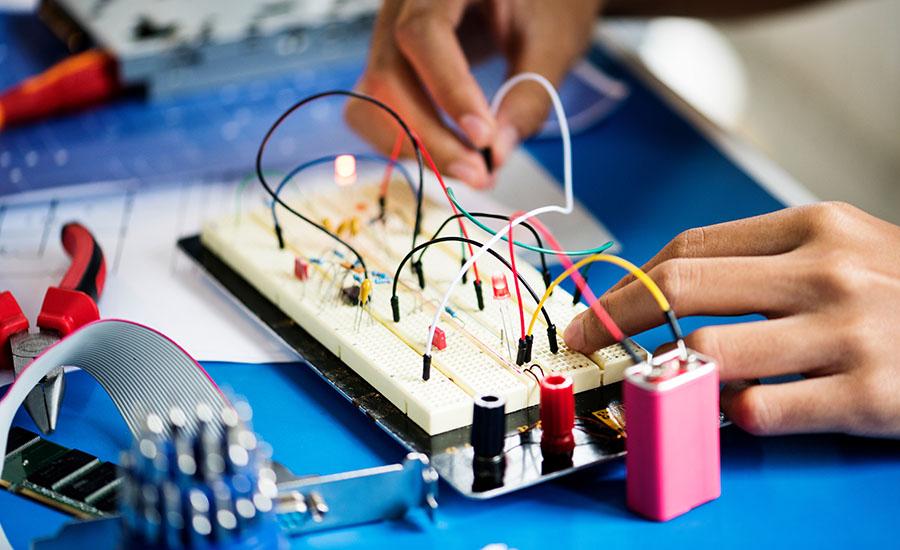
In this lesson, students will explore the relationship between current, voltage, and resistance in an electrical circuit. Using a PhET Simulation, they will collect data and graph voltage vs current
Grades:
6th Grade, 7th Grade, 8th Grade
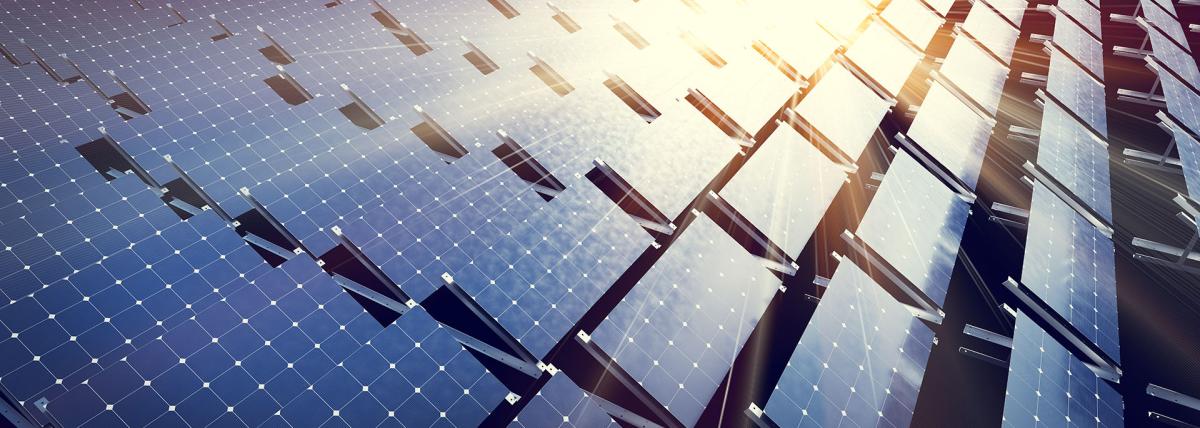
This is an introductory investigation to how light behaves in an electromagnetic spectrum unit. This is prior to any content being taught at the subject and is a way to spark inquiry and for students
Grades:
Kindergarten, 1st Grade, 2nd Grade, 3rd Grade, 4th Grade, 5th Grade, 6th Grade, 7th Grade, 8th Grade, 9th Grade, 10th Grade, 11th Grade, 12th Grade
Button makers are great additions in the classroom! But first, students should learn the history of buttons, about the button machine and how to operate it. Challenge cards provided inspire students
Grades:
3rd Grade, 4th Grade, 5th Grade, 6th Grade
In this lesson students combine science and math standards to explore the animal adaptation: camouflage. Students engage in discussion, watch a video, complete a hands-on activity, fill out a table