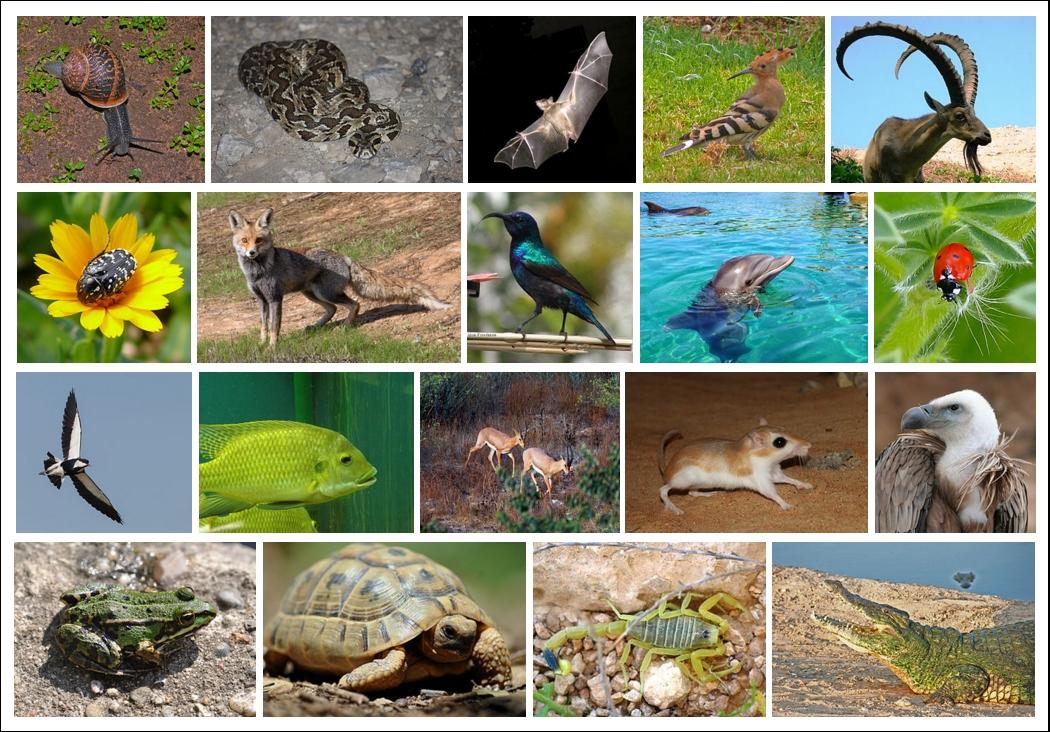
Biomimicry STEM Project
by Jenifer Henson
In this lesson, students will learn about biomimicry—the design and production of materials, structures, and systems modeled on biological entities and processes. Students will explore examples of biomimicry in everyday life, then apply the engineering design process to create their own invention inspired by nature.
By the end of the lesson, students will be able to:
Define biomimicry and explain its importance in STEM innovation.
Identify real-world examples of inventions inspired by nature.
Apply the engineering design process to solve a problem using biomimicry.
Create and present a prototype inspired by a plant or animal adaptation.
Lesson Plan Link/URL
https://docs.google.com/presentation/d/1-qOpcspq9l6dgBF26VJvpJPGzy5il17z/edit?u…Subject Area
Science Life Science Technology 3. Knowledge Constructor 4. Innovative Designer 6. Creative Communicator 7. Global Collaborator Engineering S1: Engineering & Global Society S2: Apply the Engineering Design Process English Language Arts (ELA) Reading (Informational Text)
Featured
Off
Related Content
Grades:
6th Grade, 7th Grade, 8th Grade
This lesson is part 2 of 2, Days 3 and 4. This lesson is set up to have students explore the friction bridge designed by Leonardo Da Vinci. Students have discovered the inventor and become familiar
Grades:
6th Grade, 7th Grade, 8th Grade
Students will create a Google slideshow presentation to document their progress through the engineering design process, which includes: researching the science of sound, then creating an instrument
Grades:
6th Grade, 7th Grade, 8th Grade
Students are expected to design the interior of a tiny house for a client who wants to maximize their small space but not skimp on style and functionality.