It's LEGO time! In this hands-on lesson, students design robot cars that can park themselves safely without driver intervention. This can be done with LEGO EV3 or Spike Prime robots. Let the challenge
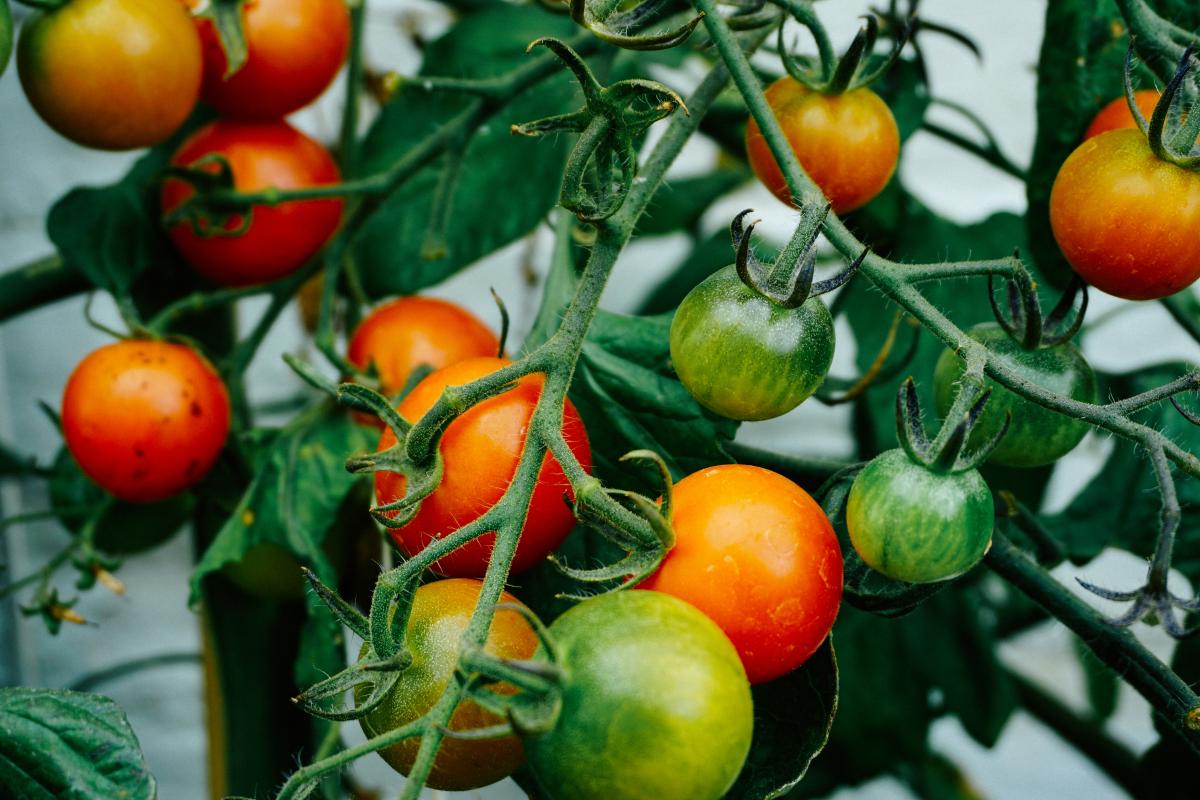
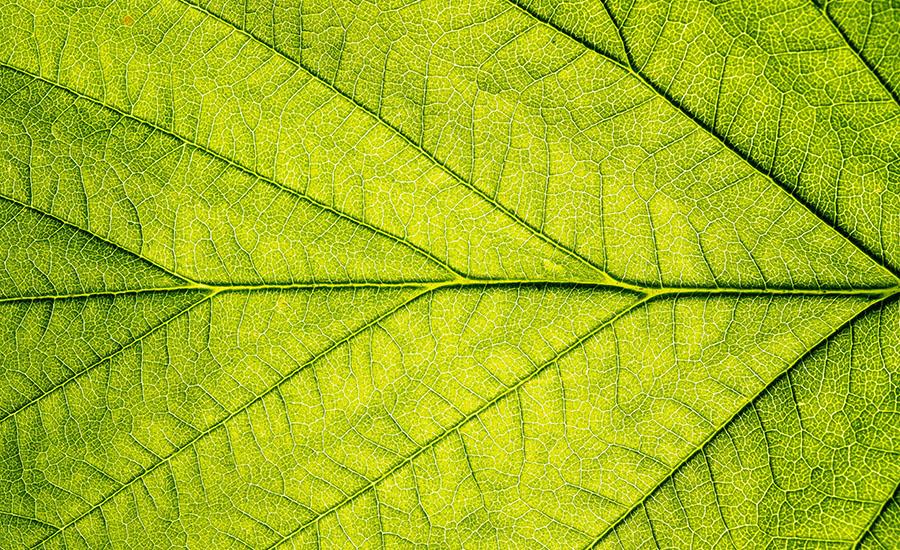
In this hands-on lesson, students will work in groups of 3 and experiment with light on plants to explain photosynthesis. They will conduct this experiment over the course of 3 to 4 weeks. With data
Students will create a scary monster that meets criteria and then present their monsters to their peers. You can use this with the book "I Need My Monster" or other themed books. You can also add in
Students will create a flying machine that will hold a pilot, travel down a zipline, and meet other constraints. This is paired with the book Rosie Revere, Engineer or can be used as a fun intro to
Students will design a balloon rocket. They will then create a fish line track for the rocket to follow. The track will be able to me modified to test different angles of ascent. This will allow
Students start to build 3D models of the entire farm or a smaller, more detailed area. Students continue to focus on ratios, volume, and nets while combating the environmental effects of farming.
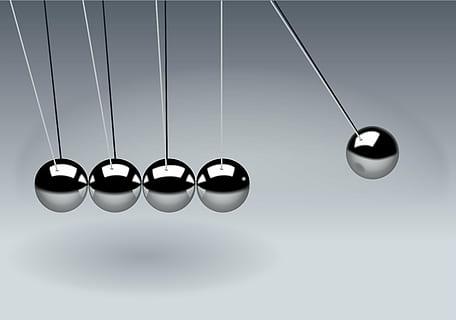
Understanding and studying energy transfer produced by molecules collisions can be difficult and abstract for them. To make it easier for them to visualize, creating a Newton's Cradle will help them
Students will learn to differentiate between plant and animal cells and their functions. Students will also begin a project of growing plants for an experiment with photosynthesis.
Exploring chemical reactions is highly engaging for the students if taught in a student-centered lesson. This lesson was inspired by the activity of 6th-Grade Amplify Science, Exploring Chemical