
Grades:
1st Grade
In this hands-on lesson, students will demonstrate their understanding of robotics and coding by creating a course for their robot to move on. The course will include turns, circles and straight ways.
In this hands-on lesson, students will demonstrate their understanding of robotics and coding by creating a course for their robot to move on. The course will include turns, circles and straight ways.
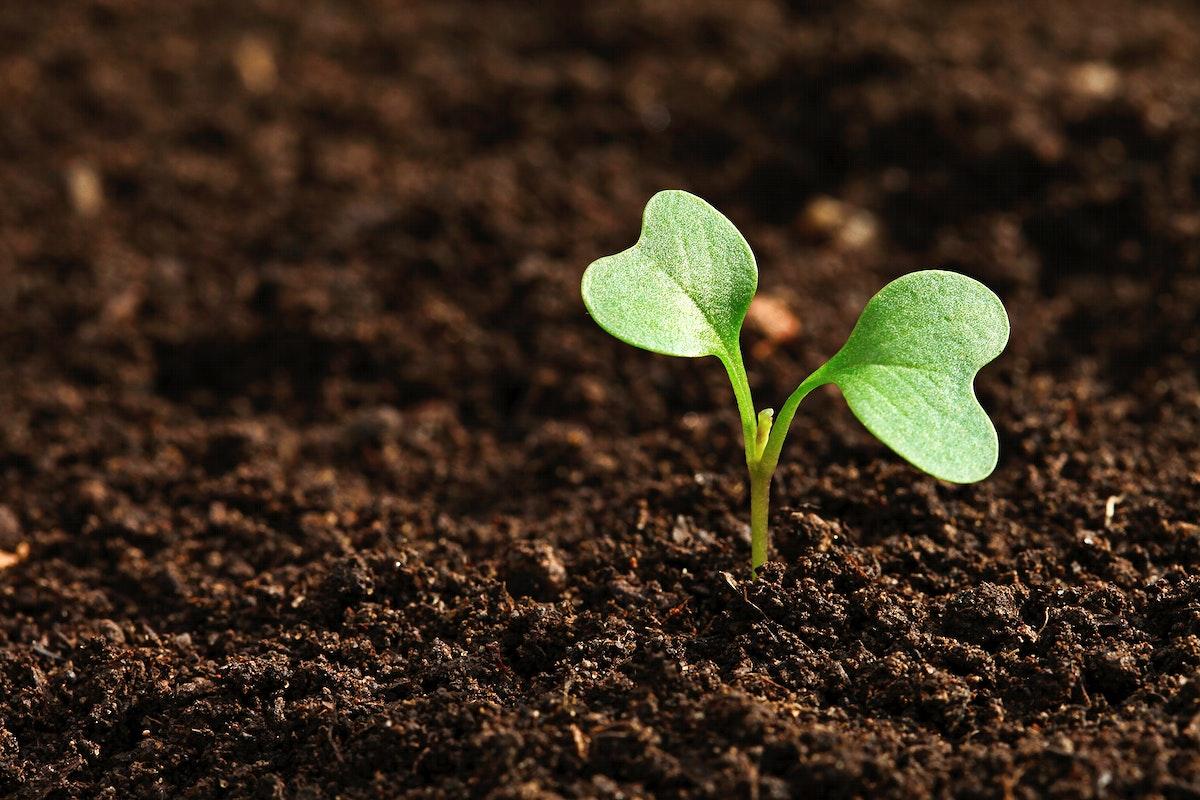
This lesson uses the children’s book The Seed and the Giant Saguaro to teach about plant and wildlife habitat in the Sonoran Desert. It includes story reading, discussion, a field experience, writing
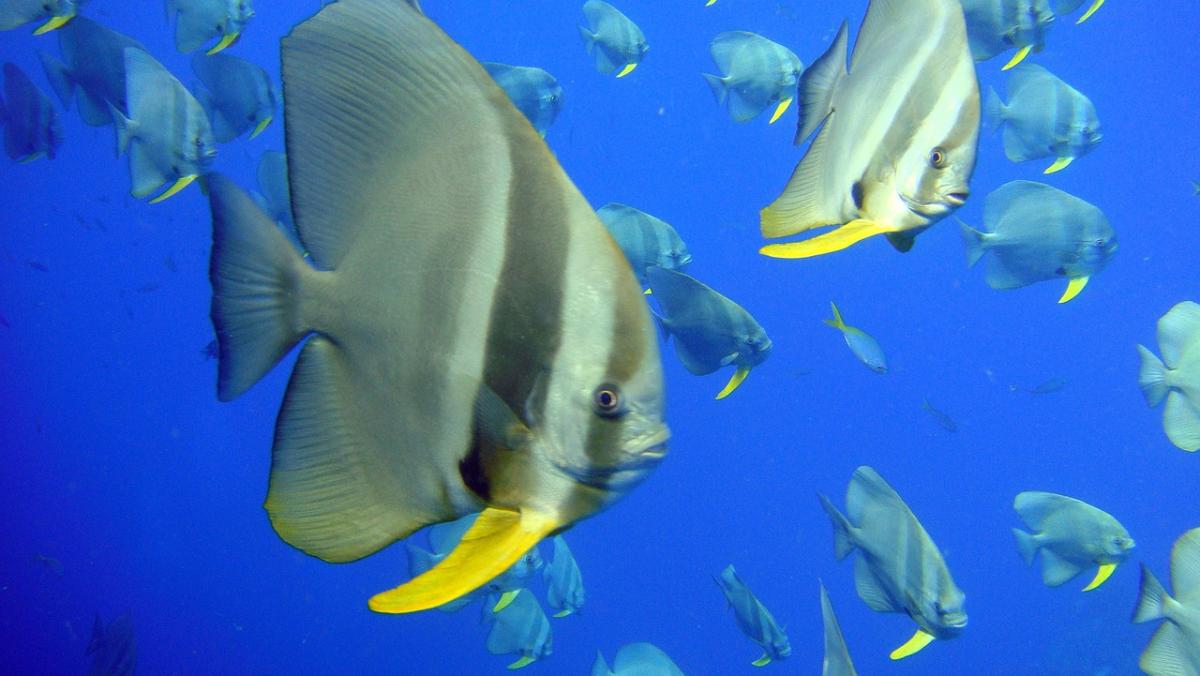
In this engaging lesson, students study and design a healthy fish tank with a variety of animals. Students also learn about budgeting costs.
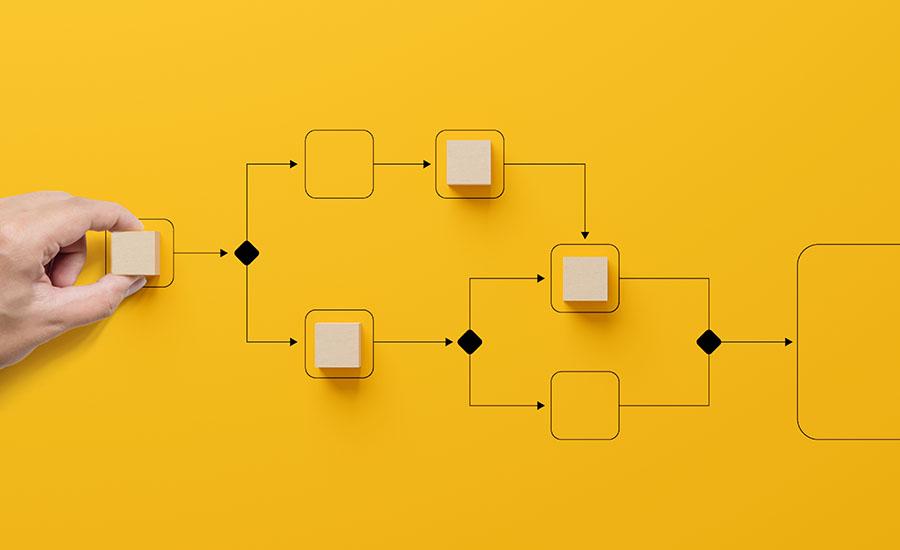
Students will learn the basics of coding concepts such as sequencing, algorithms, and conditional statements, while also reinforcing math skills related to counting and addition. They will be using a
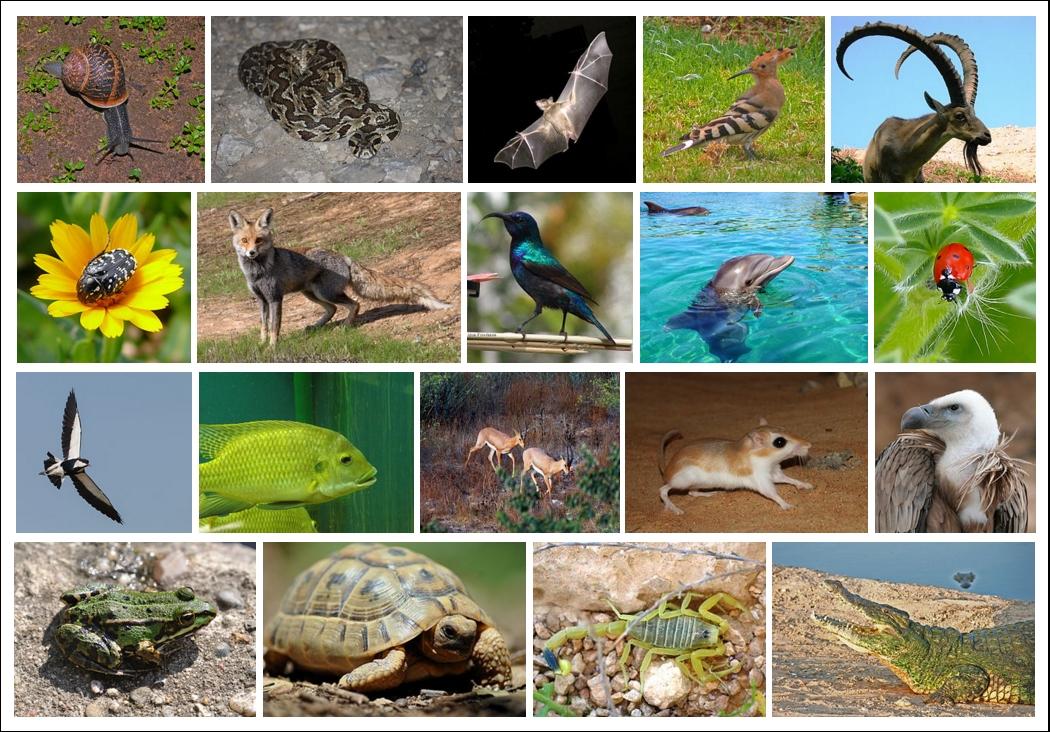
This is lesson 6 of the Life Science Unit. Students engage in various learning opportunities. #1 Objective: I can count and graph camouflage animals. #2 Objective: I can camouflage a butterfly. #3
This is lesson 5 of the Life Science Unit. Students describe the life cycle of a chosen animal through photography or stop animation. This engaging lesson includes optional fiction read-alouds
This is lesson 2 of the Life Science Unit. Students learn about animal classifications. Links to all lessons and optional fiction read-alouds, picture sorts, STEM hands-on activities, journal prompts
Students will become a DESIGN TEAM. The team will be using the 4 C’s and the steps of the Design Process to produce an item for a chosen client. Students will focus on empathy to decide on components

In this integrated STEM + Math lesson, students will learn about and then create blueprints. This lesson demonstrates how blueprints can be used as part of the process in solving real world challenges