Splash of Science
Students measure the temperature of water as it cools to learn about heat transfer and thermal properties while using line of best fit, linear regressions and/or quadratic regressions.
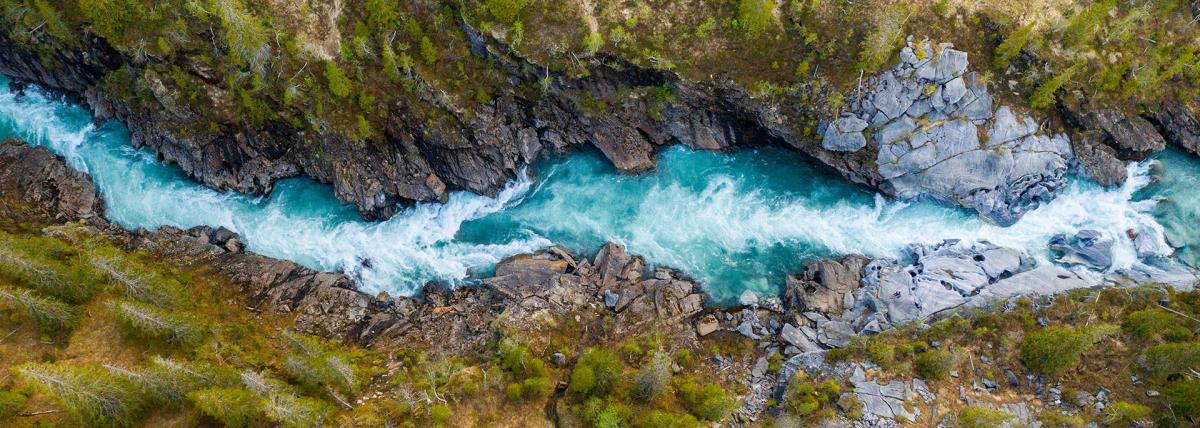
A lesson to teach students how to collect, organize, interpret data, make inferences, raise awareness, and suggest possible solutions on the water quality of the waterbodies in the state of Arizona.
Students will solve mysteries using a digital scale, systems of equations, and their ingenuity! It enhances problem-solving skills and understanding of mathematical concepts.
This lesson plan brings us to the life of Winter and how her prosthetic tail helped her live a better life. The students would learn about the engineering design process in prosthetics and experience
This lesson is PART 4 of a four-lesson unit, which focuses on futures thinking, the phenomenon of electricity, closed-system agriculture, and water as a renewable energy resource. “The City of Ember”
This lesson is PART 3 of a four-lesson unit, which focuses on futures thinking, the phenomenon of electricity, closed-system agriculture, and water as a renewable energy resource. “The City of Ember”
This lesson is PART 1 of a four-lesson unit, which focuses on futures thinking, the phenomenon of electricity, closed-system agriculture, and water as a renewable energy resource. “The City of Ember”
Students will learn about the light sensor on the Circuit Playground Express and how it can be used as an automatic switch to turn a device on or off. They will learn about the thermometer sensor on
The Parachute design lesson involves students learning about the engineering design process, air resistance, and parachute principles before planning and constructing their own parachutes. Through