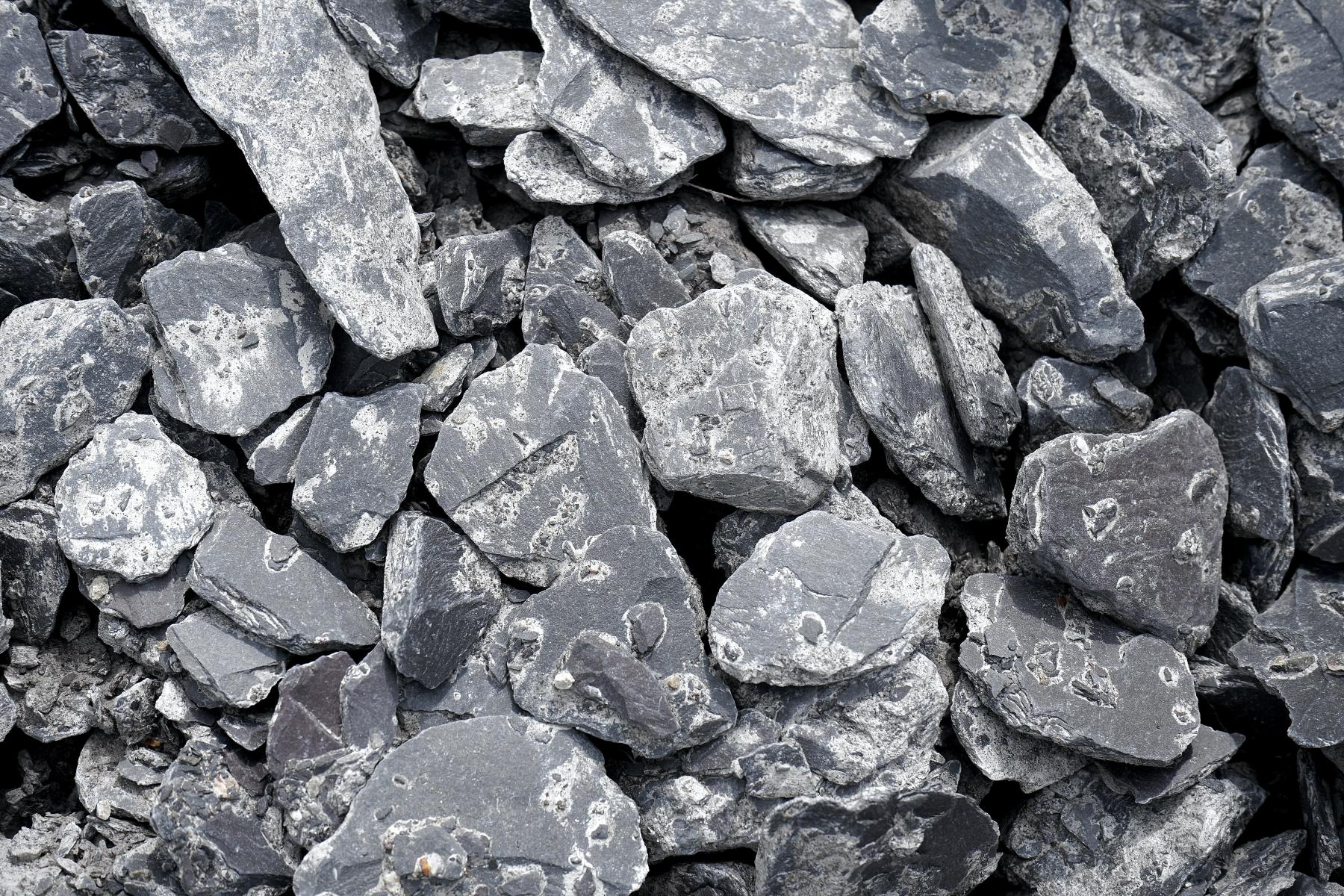
Sediments, Erosion, and the Art of Hikaru Dorodango
by Adam Hardy
In this lesson, students learn about sediment classifications and develop a model for how sediments are sorted during deposition. Armed with this knowledge, students then gather dirt with favorable qualities to use in the Japanese art of Hikaru Dorodango (shiny mud ball)
Lesson Plan Link/URL
https://docs.google.com/presentation/d/1NUfrHI4KPJegsjIMsU8ZuIdbWE4SqUaw/edit?u…Subject Area
Science Physical Science P1: Matter Earth and Space Science E1: Earth Systems Technology 3. Knowledge Constructor Mathematics Ratio and Proportion (RP)
Featured
Off
Related Content
Grades:
6th Grade, 7th Grade, 8th Grade
Students learn about atomic theory and the scientists that theorized new atomic models from experiments they conducted. Students then create a 3D model for each advancement in the theory timeline
Grades:
7th Grade, 8th Grade, 9th Grade, 10th Grade, 11th Grade, 12th Grade
This engaging lesson is an introductory lesson regarding the size and scale of the Universe and objects within. This was designed for high school Astronomy but is easily useable with ages down through
Grades:
6th Grade, 7th Grade
~Students apply the engineering design process as they learn the advantages and disadvantages of the greenhouse effect. ~Students will work collaboratively to construct a miniature greenhouse to