Grades:
3rd Grade, 4th Grade, 5th Grade, 6th Grade, 7th Grade, 8th Grade
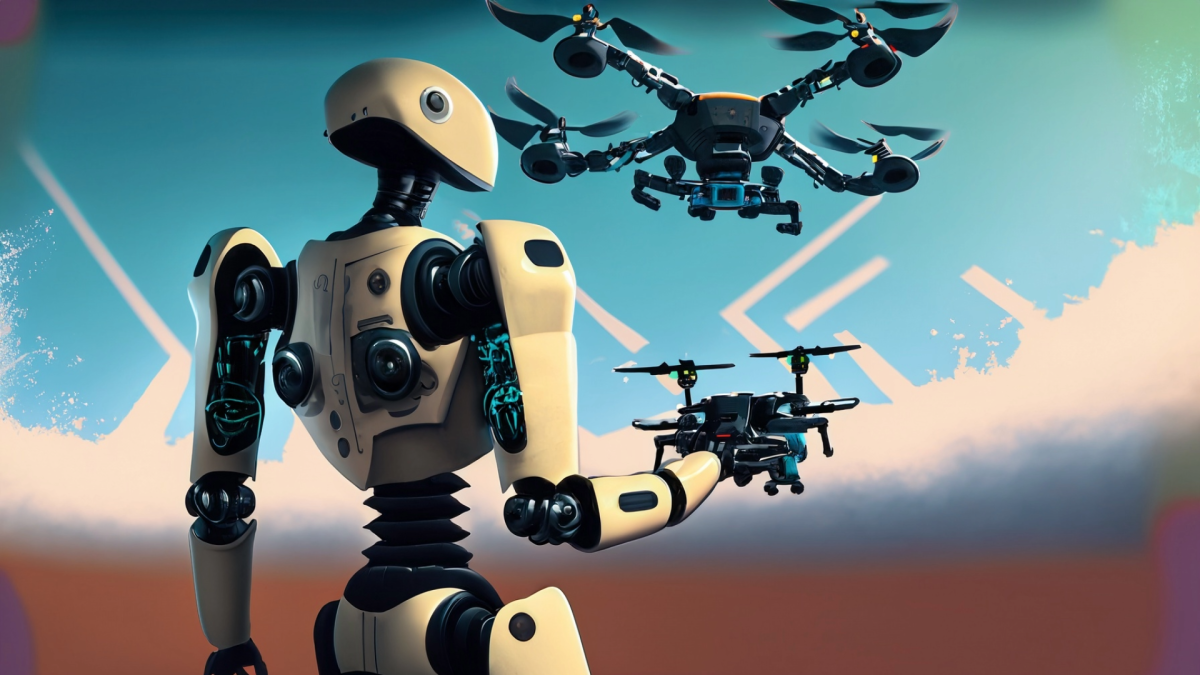
On the second day students use more complex coding, the built in camera for taking pictures and experience FPV. It has 3 missions total in this lesson. This lesson also uses yaw to keep the camera
Grades:
3rd Grade, 4th Grade, 5th Grade, 6th Grade, 7th Grade, 8th Grade
Coding and flying drones what a match! Students will have the chance to experiment with flying a drone in a simulator. The lesson includes 4 missions incorporating forces of flight acting on a drone.
Grades:
6th Grade, 7th Grade, 8th Grade
This lesson integrates technology (microbits), engineering design, and career exploration for middle school students. It encourages hands-on learning and critical thinking through the creation of
Grades:
5th Grade, 6th Grade, 7th Grade, 8th Grade
Students use the engineering design process to plan, create, code, and share a unique, functioning illuminating e-textile sweater using a Circuit Playground Express (CPX).
Grades:
2nd Grade, 3rd Grade, 4th Grade
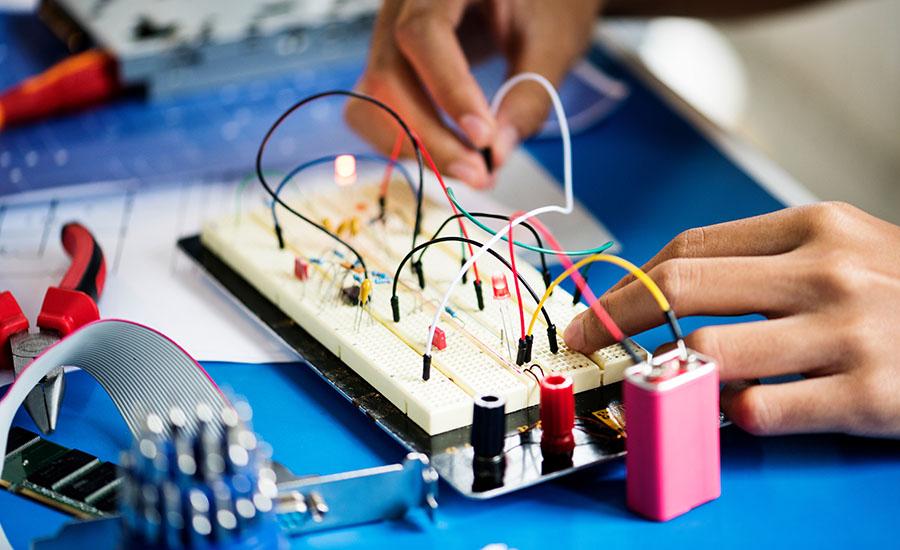
In this lesson students in grades 2-4 will explore Arizona’s important role in the copper industry by learning how to create a simple circuit using copper wire, a battery and LED pin lights. They will
Grades:
4th Grade
Students will conduct research about different types of severe weather and how to prepare for it, then share their research with classmates via slideshow presentations.
Grades:
4th Grade
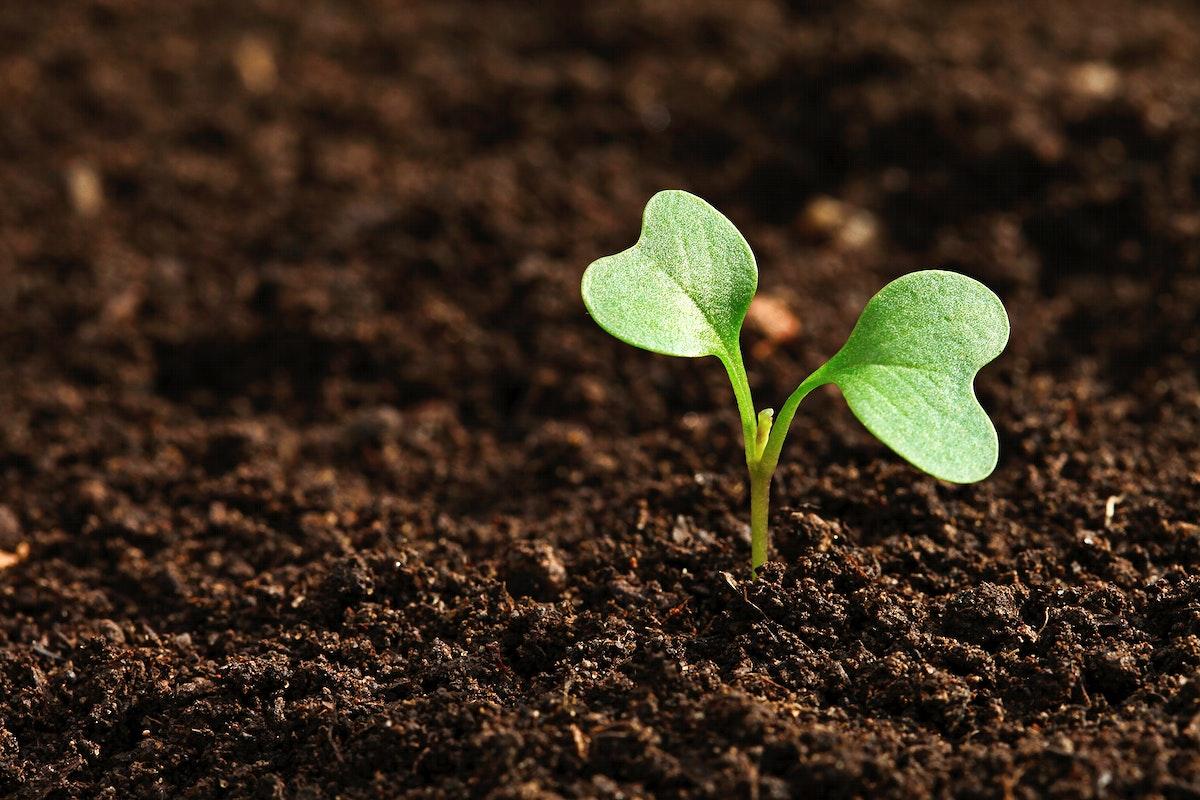
Students will act as scientists who are tasked with designing and modeling a new plant that has special adaptations to help it survive in an extreme environment!
Grades:
4th Grade
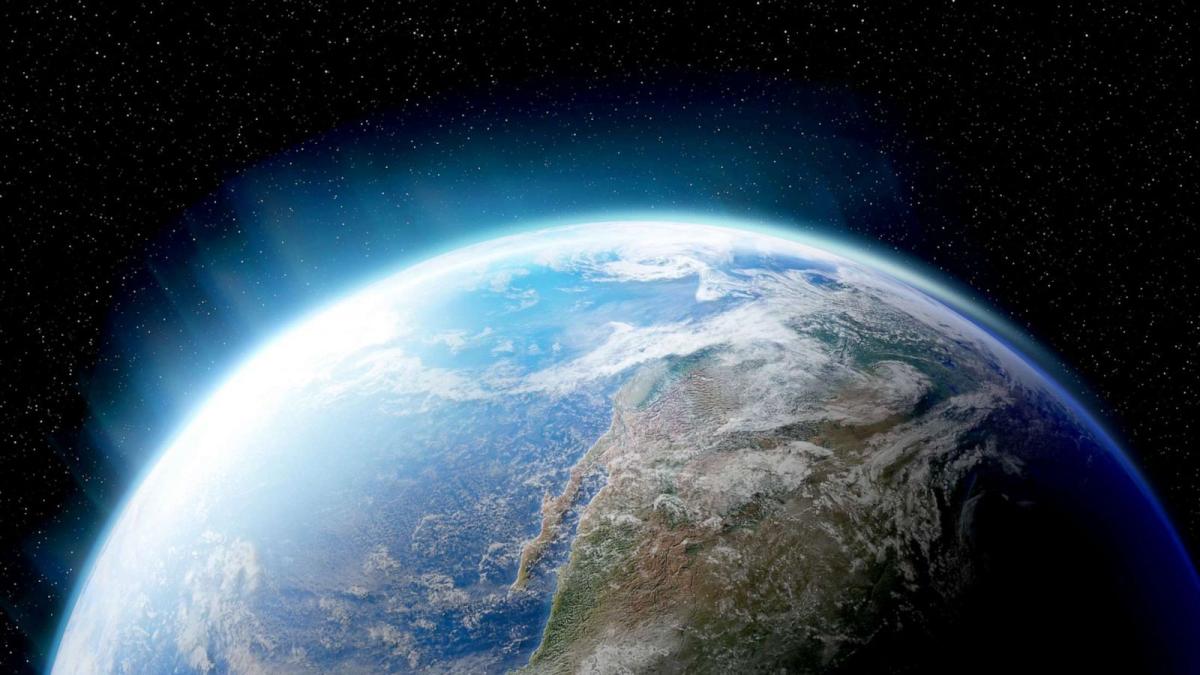
This 4th grade STEAM lesson focuses on introducing students to Earth's four systems: Hydrosphere, Geosphere, Atmosphere, and Biosphere (excluding the Lithosphere). Students will learn about the Greek
Grades:
4th Grade
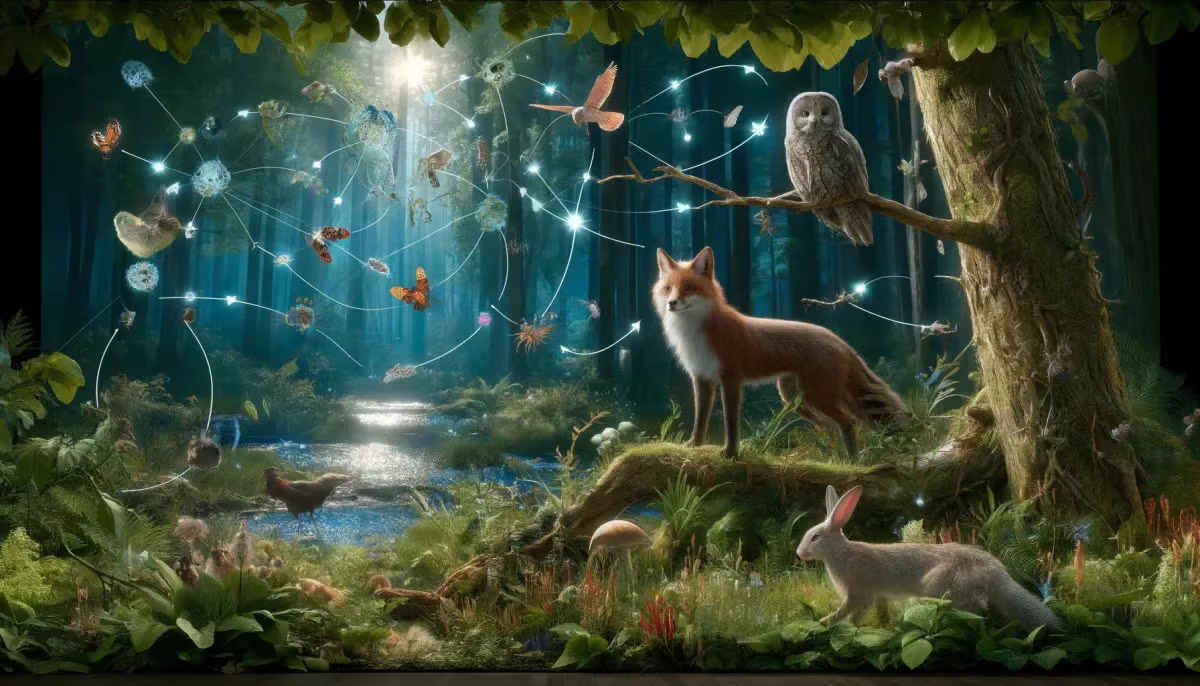
In this lesson, the students will list various kinds of animal adaptations. Demonstrate an understanding of how an animal's adaptations help it to live in its particular environment. Recognize typical
Grades:
7th Grade, 8th Grade, 9th Grade, 10th Grade, 11th Grade, 12th Grade
The purpose of this project is to have students use their knowledge of series and parallel circuits to create an electronic greeting card or an electronic game. This lesson should be given after
Grades:
7th Grade, 8th Grade, 9th Grade, 10th Grade, 11th Grade, 12th Grade
The students in this lab activity will play a competitive game with a small bouncy ball. The students will analyze the motion of the ball and apply projectile motion concepts. This activity requires

Grades:
6th Grade, 7th Grade, 8th Grade
This lesson shows how to use VEX IQ robots in your classroom. There are links to the VEX free resources that can be used to help new or experienced robotics teachers.
Grades:
3rd Grade, 4th Grade, 5th Grade
Students will determine the best materials to use to build their school budget. They will create several garden models and determine which garden they ultimately want to build. Students will then
Grades:
4th Grade
Students learn how energy transfer and electrical circuits energy are similar and different.
Grades:
8th Grade
Investigate how red wigglers rebuild soil by processing food scraps and depositing their casts into the soil. Student groups will have their own worm bins to care for and they will gather data about
Grades:
4th Grade, 6th Grade
This is the third lesson as a part of the 4th and 6th grade crossover project. Lesson one introduces the students to the idea of abiotic and biotic factors and how they interact with each other
Grades:
8th Grade
This lesson covers three types of mechanical wave interactions- reflection, absorption, transmission. Students observe the interaction in a video or example, talk about what is happening as a class
Grades:
8th Grade, 9th Grade, 10th Grade
In this activity, teachers will guide students through a simulation that models the population dynamics between fish and bears. The objective is for students to understand and analyze the interactions
Grades:
8th Grade, 9th Grade
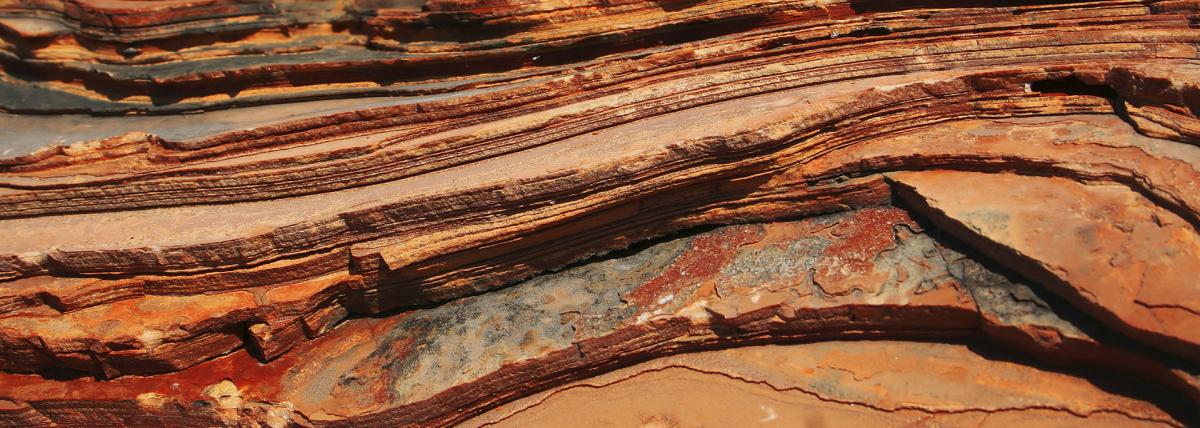
In this lesson, students will embark on an investigative journey to explore the geological history of their local community. Through hands-on activities and research, students will analyze rock layers
Grades:
3rd Grade, 4th Grade, 5th Grade, 6th Grade, 7th Grade, 8th Grade
This lesson is intended to expose students to information about environmental changes and how solar energy affects living things. Students are challenged to design and build a shelter for a dog to
Grades:
7th Grade, 8th Grade, 9th Grade, 10th Grade, 11th Grade, 12th Grade
In this lesson the students will develop the code they previously planned out and will deploy their code to the drone. They will continue the process of reflection and iterative improvement. This is
Grades:
7th Grade, 8th Grade, 9th Grade, 10th Grade, 11th Grade, 12th Grade
In this lesson students will collect data on the performance of their drone. Students will design a systematic process of data collection that will then lead to the development of a predictive model
Grades:
7th Grade, 8th Grade, 9th Grade, 10th Grade, 11th Grade, 12th Grade
This is a lesson where students will learn about the sensors that are integrated into their drones and how students can get a live feed of information from these sensors to aid in autonomous decision
Grades:
7th Grade, 8th Grade, 9th Grade, 10th Grade, 11th Grade, 12th Grade
In this lesson students will think back on all of the coding skills they have learned and will plan out their code to fly their drone through their maze based on sensor feedback. It is important that