Eggs Afloat
by Victoria Rackley
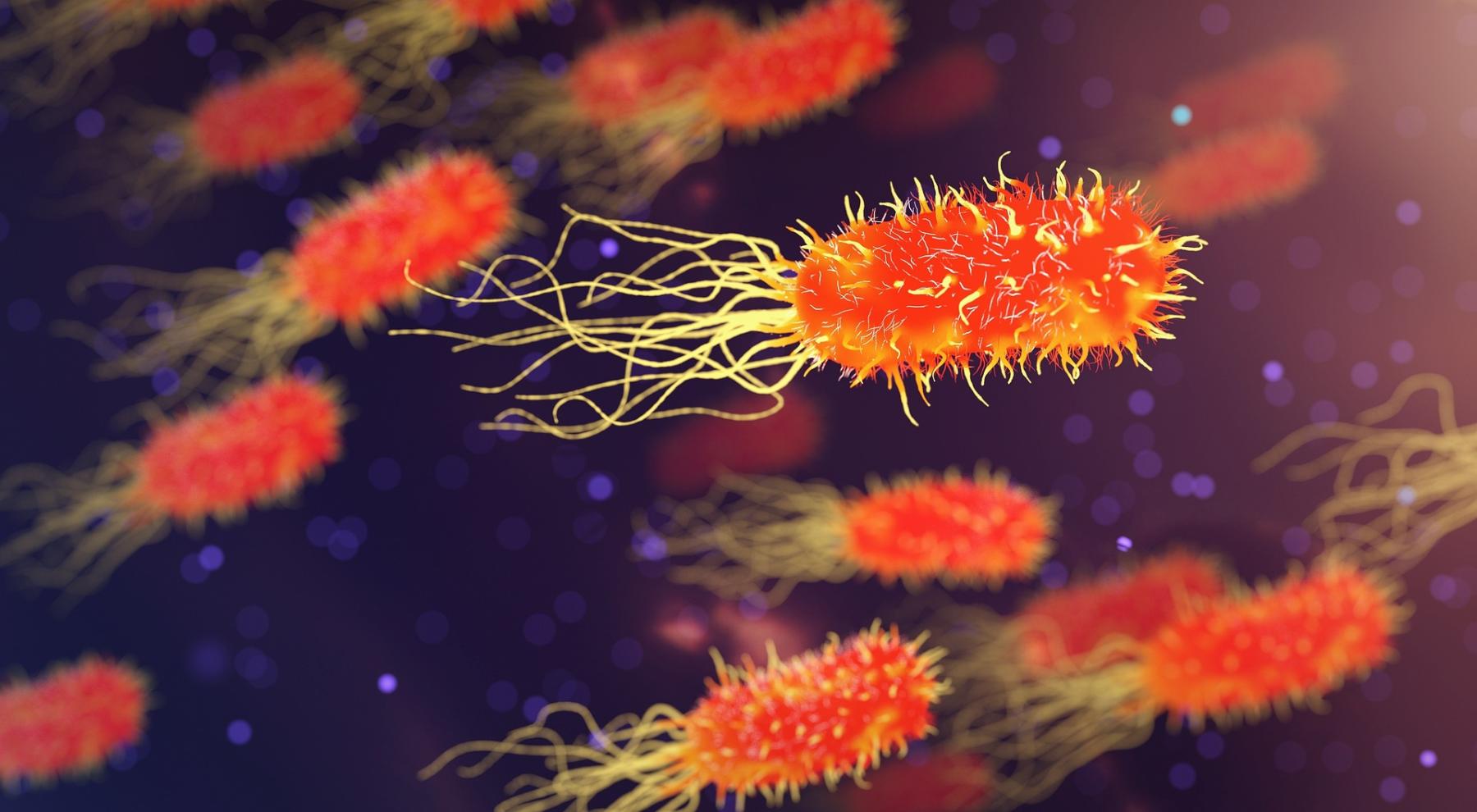
Students will dive into the fascinating world of parasitology as they collaborate in teams of three to analyze and evaluate the presence of parasites. The lesson aims to enhance both teamwork and practical laboratory skills while deepening students' understanding of parasitic detection methods.
Each team will be assigned the task of preparing detailed slides to examine fecal smears and conduct simple flotation tests. The students will follow laboratory protocols to create the slides using a specific pattern. The fecal smear and simple flotation techniques are important tools in identifying parasites within biological samples.
Lesson Plan Link/URL
https://docs.google.com/presentation/d/1lrqcPolD1jzTbeetHB0MAr7MNmD4MN_4/edit?u…Related Content

Grades:
9th Grade, 10th Grade, 11th Grade
In this lesson, students will be introduced to the concept of homeostasis with online research and then investigate how feedback mechanisms are used to maintain homeostasis during exercise during an

Grades:
9th Grade, 10th Grade, 11th Grade, 12th Grade
Using the Introduction to Hydroponics lab, introduce students to the features of the Hydroponic Systems. Students will explore the different types of grow mediums and grow lights used in the systems

Grades:
9th Grade, 10th Grade, 11th Grade, 12th Grade
Multi-week cross-curricular project combining STEM, cultural studies, history, and ELA, culminating in cultural exchange, podcast style reflections, photo/video sharing/storytelling, and an experience