Grades:
8th Grade
This lesson uses common foods to study the chemical compounds found in foods, both natural and synthetic.
This lesson uses common foods to study the chemical compounds found in foods, both natural and synthetic.
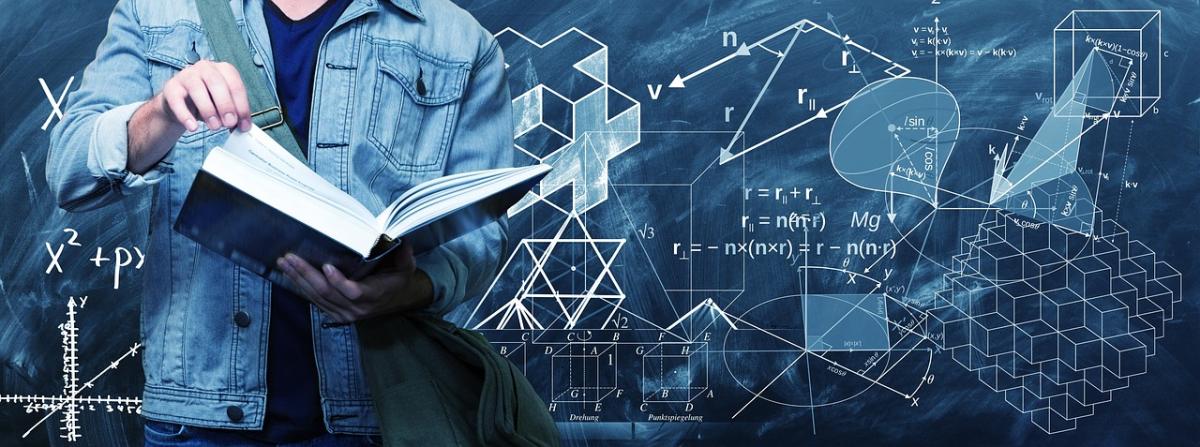
Students will explore mathematical rules for combining fractions with unlike denominators by modeling equivalent resistance calculations for resistors wired in parallel electrical circuits. Using a

Students will compare Eind vs. Solar by using two kits from Thames & Kosmos.
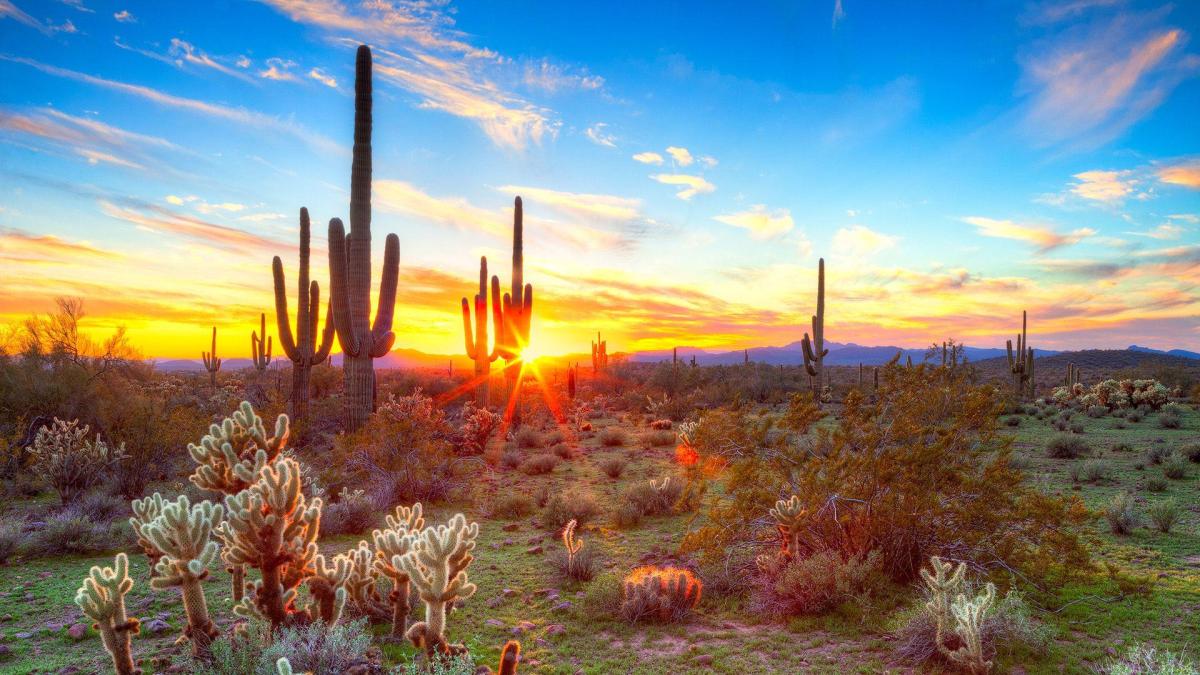
Students will investigate the geological features of the Santa Catalinas. Specifically the phenomenon of Catalina Gneiss. Students will research the formation of the Tucson basin and Santa Catalinas

Create potential for masses or charges. Students get to create 3D models of these potential and gain a deeper qualitative representation of why masses or charge move towards lowest potential.

This project allows students to research and "sell" the Sharks and their competitors on their energy or fuel source. A strong emphasis on research is embedded with the ability to interject with daily
In this lab students will observe how five different ice cubes react while melting. Each ice cube is made of a different liquid (matter). They will then collect their data on length, height, and
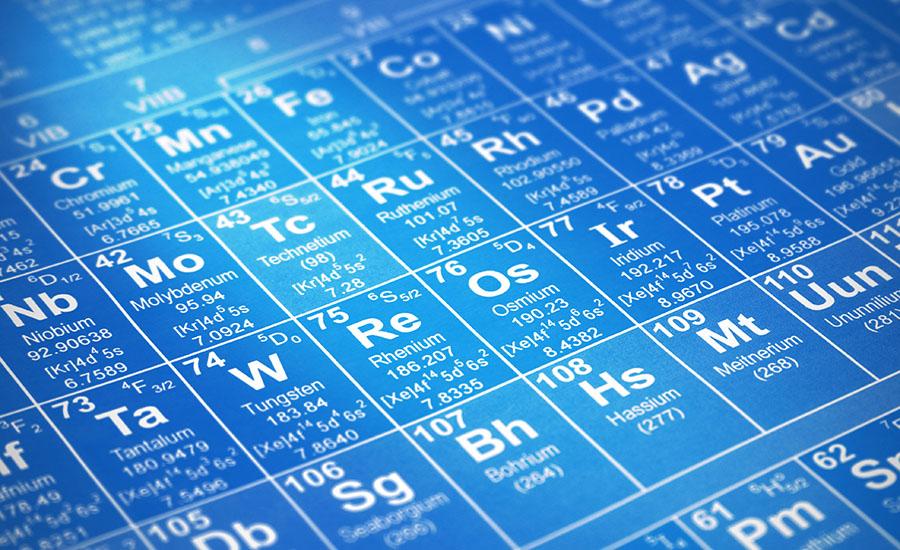
This set of lessons allows students to model the decay chains of radioactive isotopes and relate the mathematical patterns and scientific concepts together in a innovative and interactive way.
This lesson is part 2 of 2, Days 3 and 4. This lesson is set up to have students explore the friction bridge designed by Leonardo Da Vinci. Students have discovered the inventor and become familiar