Grades:
5th Grade
Students will create a geometric net to estimate how many cheerios will fit in the cube. They will use volume to create a real sized cereal box that they can fit 100 cheerios into without having lots
Students will create a geometric net to estimate how many cheerios will fit in the cube. They will use volume to create a real sized cereal box that they can fit 100 cheerios into without having lots
Students will be asked to design and build a playground using the given materials construction paper, toilet paper/paper towel rolls, jumbo/regular popsicle sticks, and glue/tape. They will learn
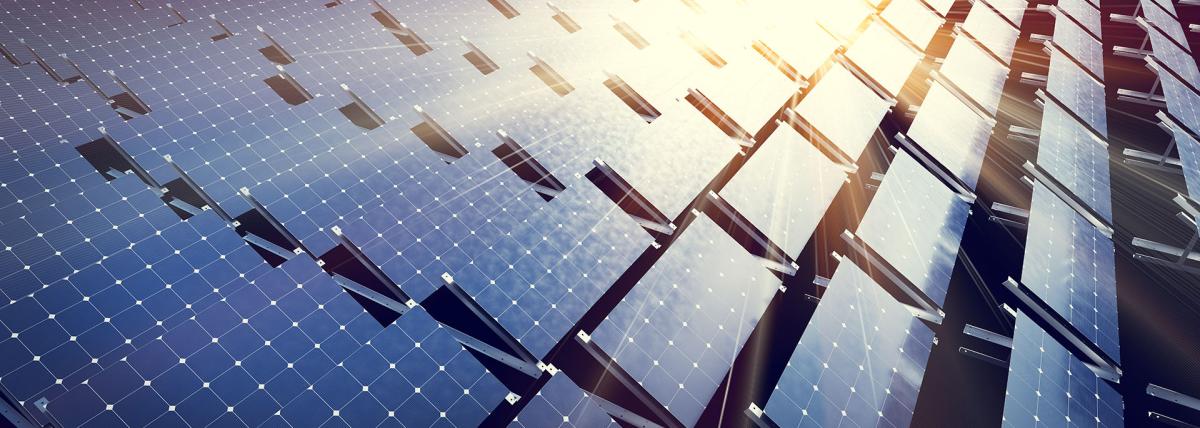
As part of a unit on renewable energy, students build and collect data on a solar powered fan. They learn about agrivoltaics and build a model of a racking system. They explore angles and energy use.
For this lesson, students will use the engineering design process for the tiny house design challenge, which will include a design board, floor plan, scale conversion sheet and a tiny house prototype
Students will apply physics and engineering principles to design and construct a functional mini-golf course using homemade materials.
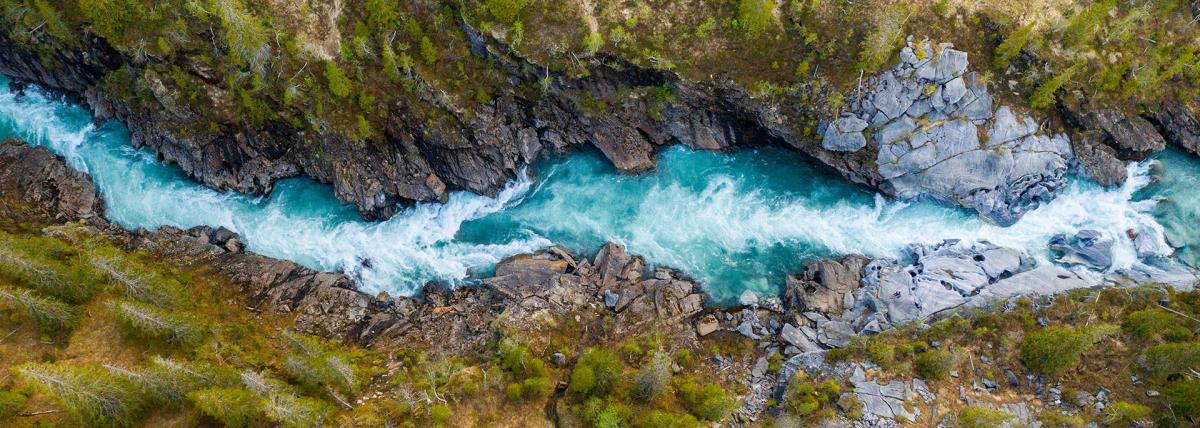
Student Objectives: Your challenge is to thoroughly research real-world oil spills and what has worked to help clean them up in the past, then engineer your own prototype boom to clean up a simulated
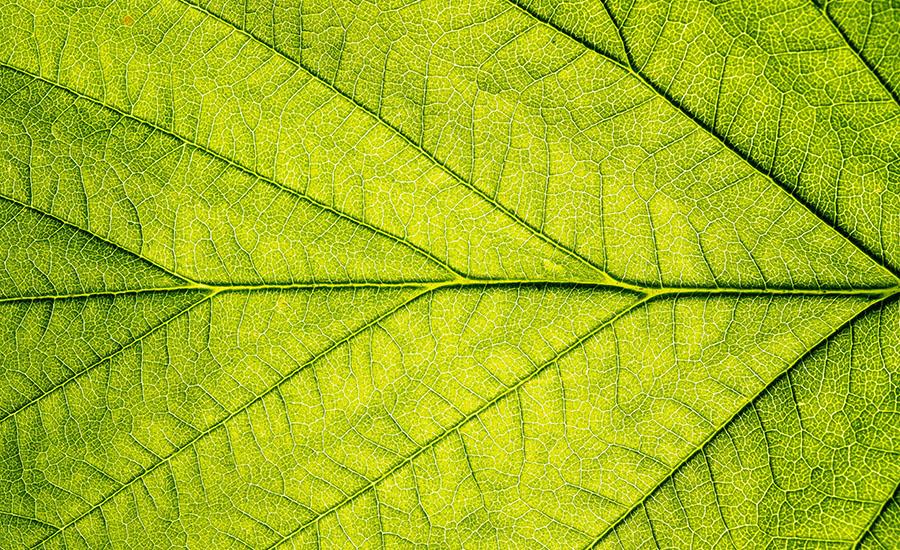
Students take plants that they have already sprouted from seed in prior lessons and now will investigate how that plant changes when basic needs are blocked. Students create a dark box maze and
Students will build the strongest boat they can using only aluminum foil. They will learn about engineering design, water displacement, the effects of gravity, decimal multiplication, and geometry.
Your job is to build an aqueduct that will supply the Roman cities with clean water to private homes, public baths and glorious fountains. With this success, the citizens will drink clean water