
Grades:
5th Grade
By the end of this lesson, students will understand the unique adaptations of desert tortoises and the importance of conserving their habitat. Students also engineer a habitat for the desert tortoise.
By the end of this lesson, students will understand the unique adaptations of desert tortoises and the importance of conserving their habitat. Students also engineer a habitat for the desert tortoise.

In this lesson, students will learn about Wilson Bentley, the "farmer scientist" who pioneered photomicrography to photograph snowflakes and share them with the world. Students will then design and
Students will use science skills to engineer habitats for polar regions as they learn about the polar regions through hands on experiences.
Students in 4th grade learned about natural disasters through this interactive STEM lesson focused on the creation on a 'tsunami-proof' home. Students used the Engineering Design Process to create a

Launch into a fun activity! Students will be building a rocket, then blow into the straw inserted and watch how high their rocket flies. This fun activity can be done indoor or outdoor. Students can
Students will gain an appreciation of M.C. Escher's tessellation artwork and process and be inspired to create their own tessellation.This lesson combines math, art and technology by using an
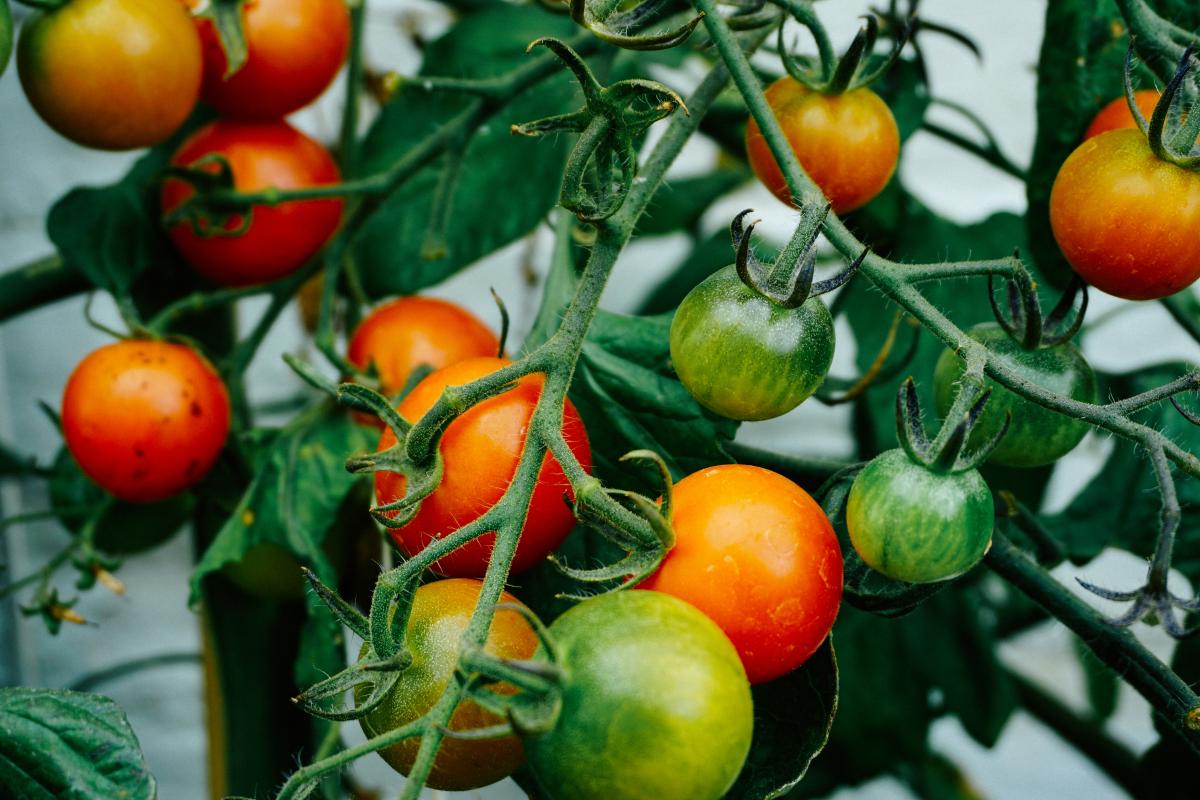
This lesson introduces the students to the different types of pigments found in plants. At the same time, this lesson plans will also introduce the students to the basics of spectrophotometry
Students will understand that humans can control their environment. Students will investigate the effects of different pruning methods on cherry tomato plant growth and fruit production.
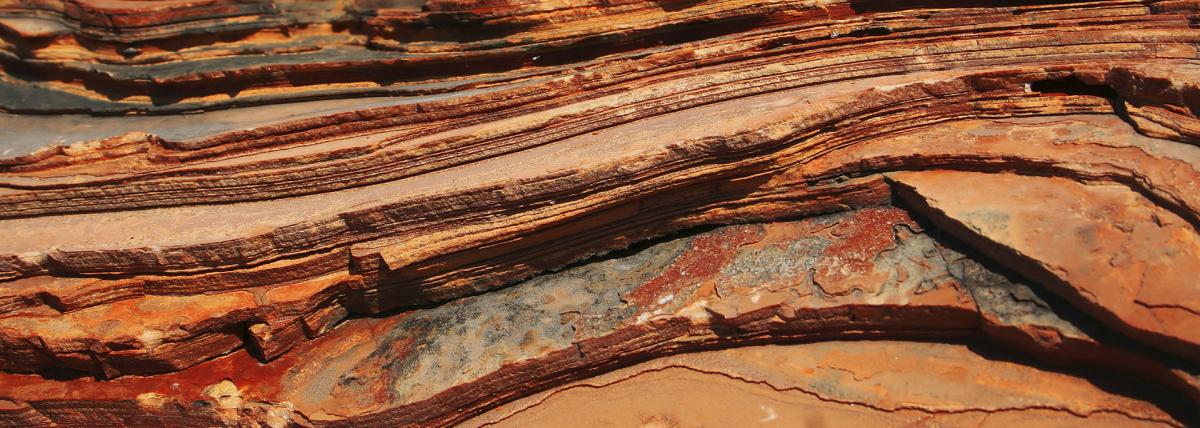
How old is Earth? How big is 1 million years compared to 1 billion years? Students will use three models to organize geologic time and practice cross multiplication to solve for a variable.