Grades:
6th Grade
This is lesson 4 in a 4 part roller coaster project for 6th grade. In this lesson, students will create a news report on Canva to demonstrate the kinetic and potential energy in their roller coaster
This is lesson 4 in a 4 part roller coaster project for 6th grade. In this lesson, students will create a news report on Canva to demonstrate the kinetic and potential energy in their roller coaster
This is the 3rd lesson in a 4 part roller coaster project for 6th grade. In this lesson, students will design and build a roller coaster that fits the criteria and follows a budget. Students will
Students will use the projects from lessons 2 and 3 to analyze the data of the electric cars they made. They will identify the variables in their cars and plan improvements to their designs.
This is the second lesson in a four part roller coaster project for 6th grade. In this lesson, students will learn about friction and gravity. Students will test different materials to determine which
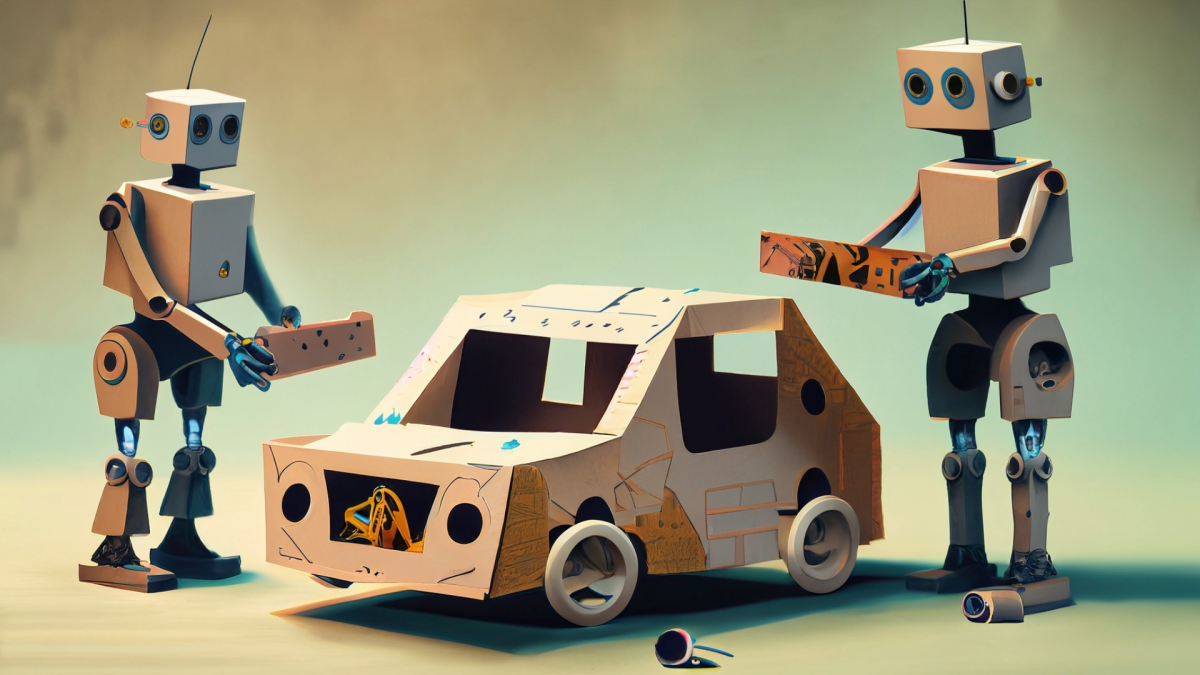
This lesson uses the knowledge of circuits (lessons 1 and 2) to make a battery-powered car. We used a tutorial from Tinkercad and designed our own body of a car. Then, I printed their cars. They
This is the first lesson of a 4 part roller coaster project for 6th graders. In this lesson, students will learn about potential, kinetic and mechanical energy, as well as the law of conservation of
This lesson shows how to make an electric car using a small motor and battery. Students created a car, attached a battery and on/off switch, and collected data. The data collection sheet is included
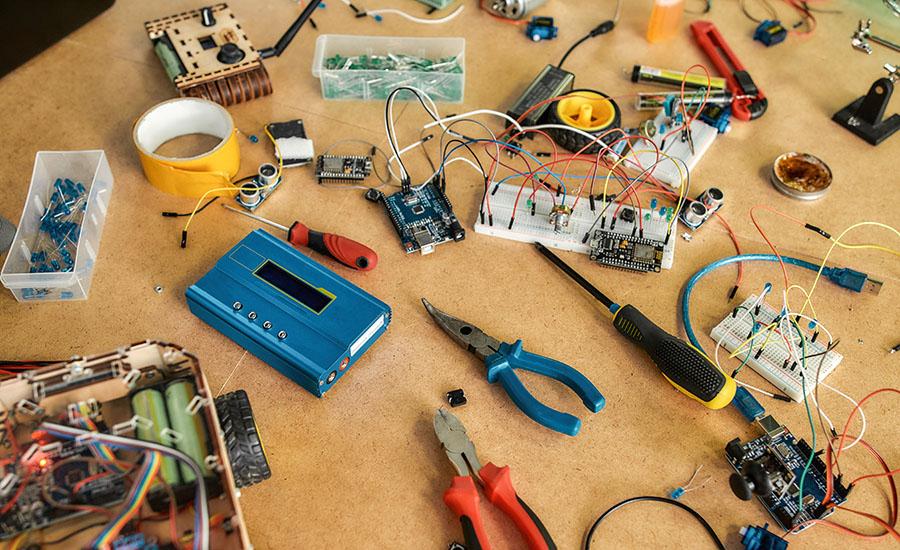
This lesson focuses on using the engineering design process and simple machines to design a device that the students can use to safely transport radioactive orbs across the span of 8 feet. Students
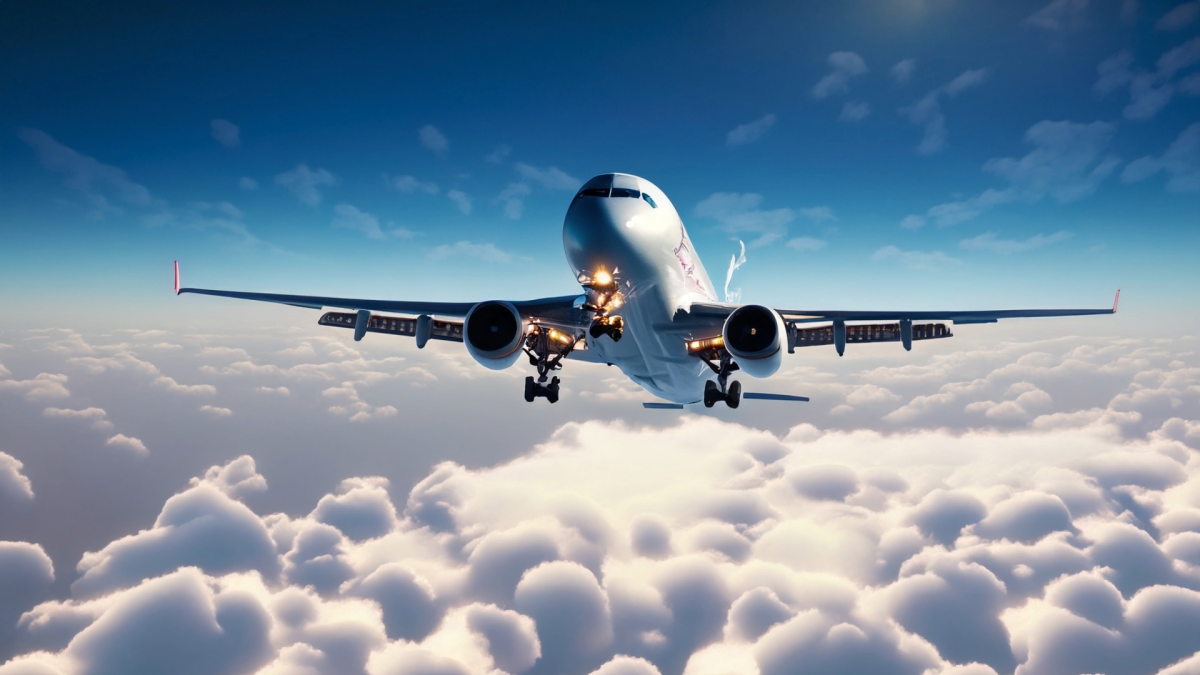
In the Kindergarten aerodynamics lesson, young learners embark on an imaginative journey into the world of flight. Through a captivating exploration of flying objects like kites, birds, and paper