Students are introduced to the concept of nanotechnology with a small group research activity about the different industries using nanotechnology.

Part one of a four part project exploring the movement of the brain upon impact in everyday activities. This lesson uses Pocketlab Voyager sensors to analyze brain movement in high impact activities
Involving themes of biology, ecology, and conservation, this engineering lesson introduces students to the behavior of immersed bodies within the realm of fluid mechanics. Utilizing the phenomena of
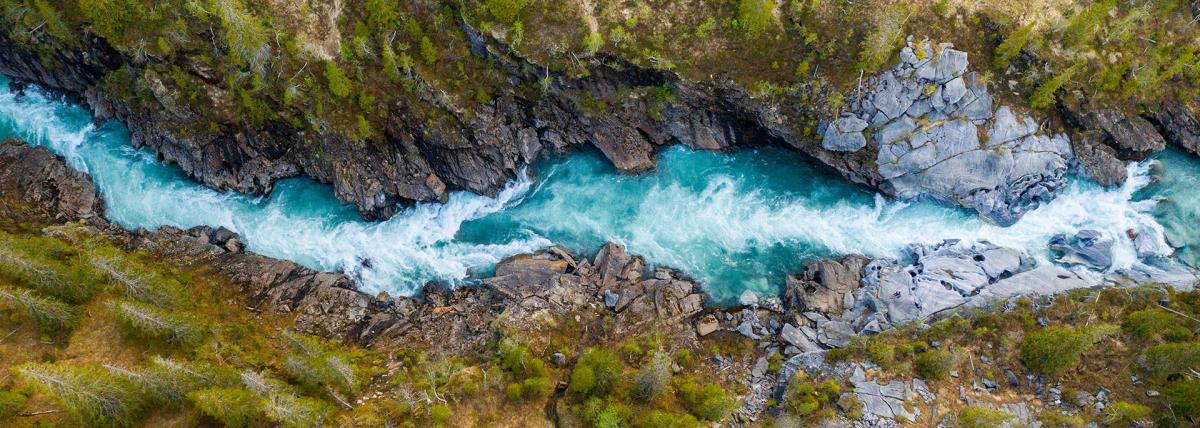
Involving themes of outdoor recreation, ecology, and physical sciences, this engineering lesson introduces students to the behavior of channel flows within the realm of fluid mechanics. Utilizing the
This is a high-school level hands-on project that allows students to build their own working sundial, make predictions and assess their accuracy. This lesson ties in with the study of Kepler's Laws.
Students learn about photochemical reactions which are chemical reactions that require light as activation energy. Students create ball and stick models to recreate sample photochemical reactions
In a chemiluminescence chemical reaction, light is generated as a product. What causes light to be generated from chemicals that interact? This chemistry lesson explores the reasons why light is
The lesson targets high school students. It aims to impart a solid understanding of genetics and probability through hands-on activities featuring Wisconsin Fast Plants. Covering an introduction to
Including themes of ecology, physics, and environmental impact; this engineering lesson introduces students to the idea of energy conservation. While using the phenomena of the Klamath River Dam